2026 Top Fast Charging Types How Do They Benefit EV Users?

Time:2026-09-08 Author:Henry
0%

Electric vehicle adoption is moving from early experimentation toward everyday mobility. Charging speed now shapes whether drivers choose an EV for commuting, delivery work, or long-distance travel. The International Energy Agency’s Global EV Outlook 2024 reported more than four million public charging points worldwide by the end of 2023. Over 1.3 million public chargers were added that year. This rapid expansion makes fast charging a practical infrastructure question, not merely a technology trend.

This article examines the 2026 top fast charging types, including DC fast charging, high-power charging, battery swapping, and emerging megawatt systems. According to the U.S. Department of Energy’s Alternative Fuels Data Center, DC fast chargers can often provide roughly 100 miles of range within 20 to 30 minutes. Actual results depend on battery size, charging temperature, vehicle architecture, and the charger’s available output. Time matters. Vehicle limits matter more.

Understanding how fast charging infrastructure benefits ev users requires looking beyond peak kilowatt figures. Drivers may gain shorter highway stops, better route flexibility, and less dependence on home charging. Fleet operators can reduce idle periods when charging stations match vehicle schedules. The European Alternative Fuels Observatory also highlights the importance of charger coverage, reliability, and accessibility across transport networks. A 350-kilowatt station is not automatically better. It may deliver limited value when the vehicle accepts only 100 kilowatts, or when grid congestion reduces output. This comparison is not perfect. Pricing, queues, maintenance, and battery degradation deserve equal attention. Real-world convenience remains the strongest test.
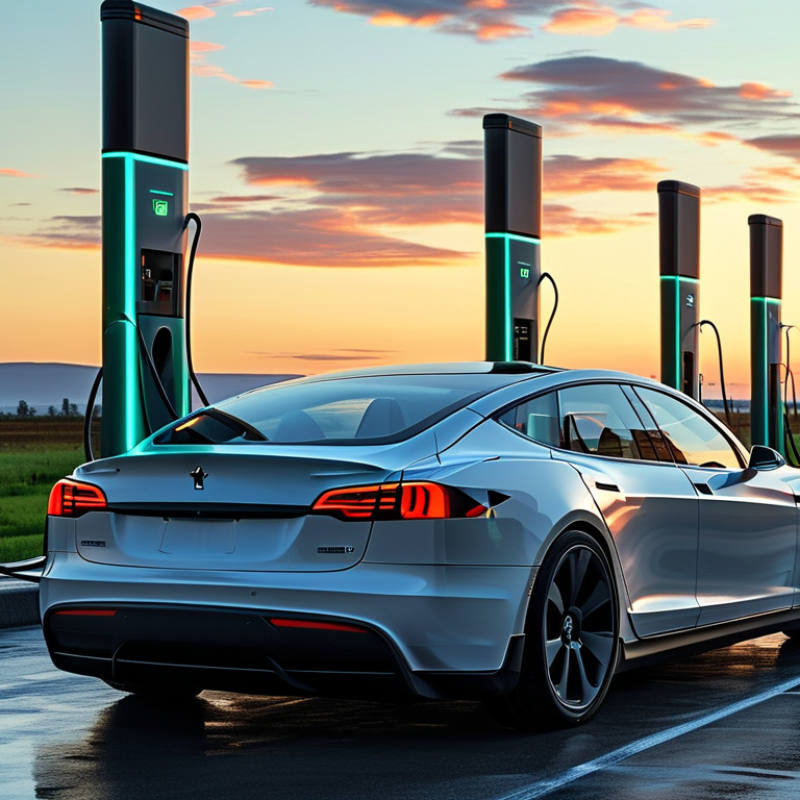
2026 Top Fast Charging Types How Do They Benefit EV Users?

AC Level 2 vs. DC Fast Charging: Power Ranges from 7 to 350 kW

2026 Top Fast Charging Types: How Do They Benefit EV Users?

AC Level 2 charging usually delivers 7 to 22 kW through an onboard charger. It suits overnight charging, workplace parking, and long home stays. A typical session may add useful range while the vehicle remains parked for several hours. AC power is gentler on charging schedules, but charging speed depends on the car’s onboard limit. A 22 kW station cannot force every vehicle to accept 22 kW.

DC fast charging sends direct current to the battery, bypassing the onboard AC converter. Common outputs range from 50 to 150 kW, while advanced units can reach 350 kW. Higher power can add substantial range during a short meal or rest stop. However, the car may reduce power as the battery fills. Cold temperatures, high battery levels, and thermal protection can also slow the session. The headline number is not the whole experience.

Tips: Check the vehicle’s maximum AC and DC input before choosing a charger. For daily use, charge at moderate power and keep fast charging for longer trips. Arrive with a warm battery when possible. I have found that route planning is less predictable near busy stations. Queues happen. Leave extra time, and do not plan around the maximum 350 kW figure unless the vehicle and station both support it.

High-Power Charging at 400V and 800V: Why Voltage Matters

In 2026, fast charging is increasingly shaped by voltage, not only by headline power. A 400V system can deliver 200 kW with about 500 amps. An 800V system needs roughly 250 amps for the same output. That difference reduces heat in cables, connectors, and battery pathways. Thinner conductors may also lower weight and improve handling. Quietly important.

Higher voltage does not automatically mean faster charging. The vehicle battery, charger, cooling system, and station must work as one. If an 800V vehicle meets a limited station, its charging speed may fall sharply. A 400V vehicle using an onboard voltage booster can still access high-power equipment, but conversion losses remain. Charging power also tapers near a full battery to protect cells. The first ten minutes can feel dramatic; the final twenty may feel slow.

For EV users, voltage matters most during long trips, repeated charging, and cold weather. Lower current can support cooler components, steadier performance, and potentially smaller charging hardware. Yet real results depend on battery temperature, state of charge, cable limits, and station maintenance. This is where specifications can mislead. A published 350 kW rating is not a promise that every session will reach it. The honest measure is energy added during a practical stop, and that number can change at a busy site.

10–80% Charging in 18–30 Minutes: The EV User Benefits of HPC

High-power charging (HPC) can turn an EV stop into a short, practical routine. In suitable conditions, compatible vehicles may charge from 10% to 80% in 18–30 minutes. That range can support commuting, errands, or the next highway section. Actual results depend on battery size, charging software, temperature, and station output. A cold battery may charge slowly at first.

The clearest benefit is better time control. A driver can plug in, check tire pressure, and buy a drink without waiting beside the vehicle. HPC also reduces planning pressure during busy trips. Charging from 20% to 70% may be more useful than reaching 100%. Charging usually slows after 80%, so extra minutes may add fewer kilometers. Many new users discover this late.

Reliable HPC requires more than a high number on the display. Drivers should confirm connector compatibility, inspect the cable, and watch the charging speed for several minutes. Repeated rapid charging can increase battery heat, although thermal systems help manage it. Forecasts can be optimistic. Traffic, weather, and a shared charger still change the experience. Eighteen minutes is possible, but 25 minutes may feel more realistic on a warm, busy day.

2026 Top Fast Charging Types: How Do They Benefit EV Users? — 10–80% Charging in 18–30 Minutes: The EV User Benefits of HPC
Charging Type Typical Power Output Approximate 10–80% Charging Time* Common Charging Location Key Benefits for EV Users Main Practical Considerations
AC Destination Charging 3.6–22 kW Approximately 3–12 hours Homes, workplaces, hotels and long-stay parking areas Low installation complexity, convenient overnight charging, reduced dependence on public fast-charging stations and generally lower charging stress on the battery. Charging speed depends on the vehicle’s onboard AC charger. It is not intended for quick roadside energy recovery.
Standard DC Fast Charging 50–150 kW Approximately 30–60 minutes Urban charging hubs, shopping areas and travel corridors Much faster than AC charging, suitable for short stops, and capable of adding a useful amount of driving range during errands or regional trips. The actual charging rate may be limited by the vehicle, battery temperature, state of charge and station capacity.
High-Power Charging (HPC) 150–350 kW Approximately 18–30 minutes Motorways, intercity routes and high-turnover charging plazas Shortens travel breaks, improves route flexibility, supports rapid range recovery and can deliver roughly 42–56 kWh to a typical 60–80 kWh battery during a 10–80% session. Only compatible vehicles can accept the highest power levels. Charging speed usually decreases near 80% to protect the battery, so charging beyond 80% may take disproportionately longer.
Ultra-High-Power DC Charging Above 350 kW Approximately 15–25 minutes for vehicles designed to use it High-volume motorway and fleet-charging locations Can reduce queuing and stopover time for compatible EVs, particularly on long-distance journeys and in commercial or high-utilization applications. Benefits are vehicle-dependent. Battery voltage, thermal management, charging curve, connector limits and site power availability determine the real-world result.
Battery-Swapping or Assisted Energy Exchange Not measured by charging power Approximately 3–10 minutes where available Dedicated exchange stations and selected fleet operations Can provide a very short energy-restoration stop and reduce exposure to charging-curve limitations. Requires compatible battery architecture, standardized procedures and sufficient station coverage. Availability is more limited than conventional plug-in charging.
*Times are indicative estimates for a compatible EV with a 60–80 kWh battery under favorable conditions. Actual results vary with battery size, vehicle charging capability, temperature, battery state of charge, charging-curve behavior, cable limits, grid conditions and station utilization. Charging from 10% to 80% is commonly used because power typically tapers significantly above 80%.
HPC is most valuable when drivers prioritize shorter travel breaks and predictable long-distance mobility, while AC charging remains the practical choice for extended parking periods.

Megawatt Charging Systems Above 1 MW: The Future of Electric Fleets

Megawatt Charging Systems above 1 MW are changing the operating logic of electric fleets. The International Energy Agency reported that electric truck sales grew by roughly one-third in 2023. More vehicles now require faster, predictable energy replenishment. A 1 MW charger can theoretically deliver 500 kWh in 30 minutes. Real sessions take longer because batteries taper power near full charge.

For a depot, this difference matters. A truck arriving with a warm battery may accept high power immediately. A cold battery may not. Thermal management, cable weight, and vehicle spacing become daily engineering concerns. The National Renewable Energy Laboratory’s charging infrastructure research highlights the importance of site load management and charger utilization. One megawatt is not automatically efficient. Grid capacity, transformer size, and demand charges can reshape the business case.

Fleet operators can connect charging data with route schedules, payloads, and departure times. This approach reduces unnecessary peak demand. It also exposes uncomfortable gaps. Some depots need expensive grid upgrades before installing a single high-power charger. Renewable generation and stationary storage may soften those peaks, but they add maintenance and control complexity. The IEA’s Global EV Outlook 2024 indicates that charging infrastructure must expand alongside vehicle adoption, not after it. Field trials should measure charging curves, winter performance, queue time, and equipment downtime. Early assumptions are often too optimistic.

Charging Curves, Battery Health, and Real-World Range Gains for EV Drivers

2026 Top Fast Charging Types: How Do They Benefit EV Users?

In 2026, DC fast charging remains the most practical option for long-distance driving. High-power DC charging can deliver meaningful range during a short coffee stop. However, charging speed follows a curve, not a straight line. Many vehicles charge fastest below 50% battery capacity, then reduce power near 80%. A 15-minute stop may add 80–160 kilometres, depending on weather, battery size, and charging limits. The International Energy Agency reported over 750,000 new public charging points worldwide in 2023. Network growth is real, but station reliability still varies.

Battery health needs equal attention. Frequent high-power charging creates more heat, especially in extreme temperatures. Modern battery-management systems control this risk, yet they cannot remove physics. A 2024 Geotab analysis of thousands of electric vehicles found average battery degradation near 1.8% annually. That figure is encouraging, but individual results differ. Charging to 100% before every trip may also be unnecessary. Real-world range improves when drivers use fast charging strategically, rather than chasing the highest possible power.

Tips: Arrive with a warm battery. Stop near 70–80% when another charger is available. Check live station status before detouring. Watch energy added, not only charging minutes. A perfect 10–80% rule is useful, but incomplete. Weather, traffic, and cabin heating can erase expected range gains.

2026 Top Fast-Charging Types: Charging Curves, Battery Health, and Real-World Range Gains

Representative real-world results for a typical 60–80 kWh EV battery. Higher-power DC charging can shorten stops and add more driving range, but charging speed usually tapers as the battery approaches a high state of charge.

The figures are typical ranges rather than guarantees. Vehicle efficiency, temperature, battery temperature, charger availability, and the charging curve affect the final result. Frequent high-power charging is best managed with thermal controls and moderate charge limits to reduce long-term battery stress.

FAQS

: What is

C Level 2 charging best for?

How much power can AC Level 2 charging provide?

AC Level 2 systems commonly provide 7 to 22 kW. The vehicle’s onboard charger sets the real limit.

Can a 22 kW station charge every vehicle at 22 kW?

No. A vehicle may accept less power. The station cannot override the car’s onboard charging limit.

When is DC fast charging more useful?

It helps during highway trips, short meal stops, and urgent range needs. Common outputs range from 50 to 150 kW.

Can every vehicle use a 350 kW charger fully?

No. Both the vehicle and station must support that power. Battery temperature and charge level can reduce the speed.

How long can high-power charging take from 10% to 80%?

Compatible vehicles may need 18 to 30 minutes in suitable conditions. A busy station can make the stop longer.

Why does charging slow after 80%?

The vehicle usually reduces power near a high battery level. Charging from 20% to 70% may save time.

What can slow a fast-charging session?

Cold weather, traffic, battery heat, high charge levels, and shared chargers can reduce speed. The headline number is not everything.

How can drivers prepare for a faster charging stop?

Check AC and DC limits before departure. Use a compatible connector, inspect the cable, and warm the battery when possible.

Is rapid charging always predictable?

Not really. Forecasts can be optimistic, and queues happen. I sometimes plan too closely around maximum power, which is a mistake.

Conclusion

Fast charging is reshaping the electric vehicle experience by reducing waiting times and making long-distance travel more convenient. AC Level 2 charging, typically ranging from around 7 to 22 kW, is suitable for overnight or workplace charging, while DC fast charging can deliver approximately 50 to 350 kW for much quicker energy replenishment. High-power systems using 400V and 800V architectures improve charging efficiency, reduce heat, and support faster power delivery. In many vehicles, high-power charging can restore 10–80% of the battery in roughly 18–30 minutes, depending on battery capacity, temperature, and charging conditions.

Understanding how fast charging infrastructure benefits ev users also requires considering charging curves, battery health, and real-world driving range. Intelligent power control helps balance speed with long-term battery durability, while improved charging access can reduce trip planning stress and increase vehicle availability. Looking ahead, megawatt charging systems above 1 MW could enable electric buses, trucks, and other commercial fleets to recharge efficiently during scheduled stops, supporting cleaner and more productive transportation operations.

Henry

Henry

Henry is a dedicated marketing professional with a profound expertise in the company's offerings. With years of experience in the industry, he possesses an impressive understanding of the market dynamics and consumer behaviors that drive success. Henry is committed to sharing his insights through......