In today's fast-evolving transportation landscape, effective management of fleet DC charging solutions is essential for businesses. As electric vehicles become more prevalent, companies face new challenges. Understanding how businesses can manage fleet DC charging is crucial in minimizing downtime. An efficient charging strategy can significantly enhance operational performance and reduce costs.
Yet, deploying DC fast chargers poses its own set of complexities. Businesses often encounter constraints, such as site limitations and investment budgets. These factors require careful planning and evaluation. Companies must assess their energy needs and choose the right charging technology to suit their specific operational demands.
Moreover, the integration of charging infrastructure should not be an afterthought. A comprehensive approach can foster sustainability and operational resilience. While there are many solutions available, each comes with its own advantages and disadvantages. Businesses need to reflect on their unique requirements and remain adaptable to changes in technology and regulations. The journey to efficient fleet management is ongoing and requires commitment and strategic foresight.
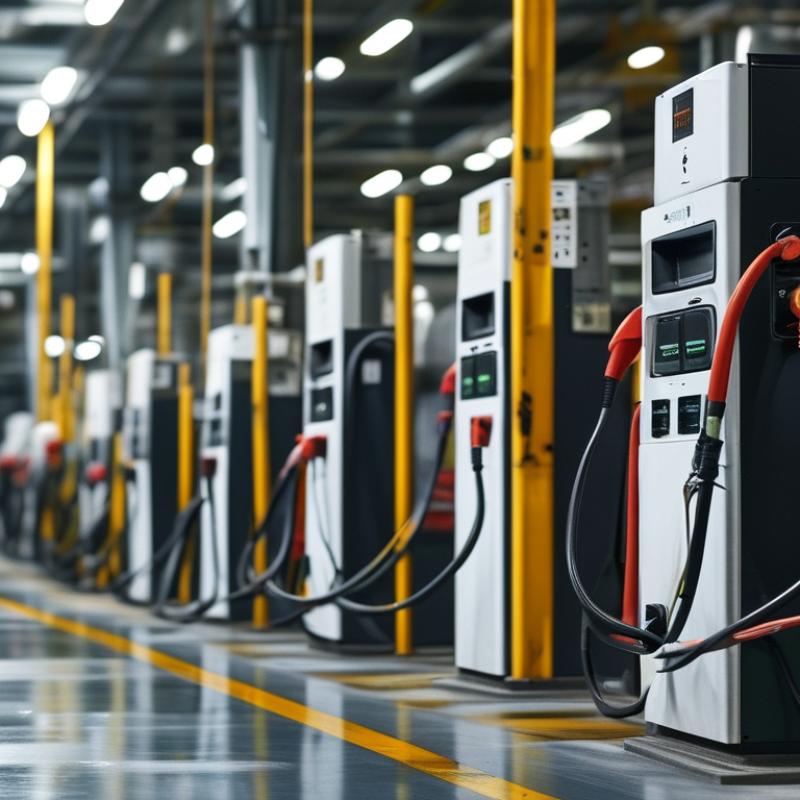
Understanding the importance of fleet DC charging solutions for businesses is crucial in today’s electrified transportation landscape. As more companies transition to electric vehicles (EVs), charging infrastructure becomes a central concern. Fleet DC charging solutions enable rapid charging, reducing downtime for vehicles. This speed is essential for businesses that rely on timely deliveries and services.
Efficient charging can enhance operational efficiency. For example, a well-placed DC charger can keep vehicles on the road longer. However, selecting the right charging solution can be challenging. Misjudging charging needs may lead to inadequate power supply or high operational costs. Businesses often grapple with balancing cost, performance, and technology.
Companies should also consider future growth. As fleets expand, charging capacity must increase accordingly. A flexible and scalable charging solution will be vital. Yet, investing in such systems requires careful planning and resources. Professionals in the field need to assess local energy regulations and incentives. Without proper research, companies may face unnecessary hurdles. This reflection can lead to more informed decisions and a better charging strategy.
This chart showcases the utilization rates of charging stations across various quarters, highlighting the importance of efficient management of fleet DC charging solutions for businesses to optimize their electric vehicle operations.
Selecting the right DC charging infrastructure for a fleet is crucial. Businesses must evaluate several key factors to ensure effective management. Location is vital. Charging stations need to be accessible and strategically placed. They should minimize downtime and facilitate easy access for drivers.
Power capacity is another essential consideration. The infrastructure must support multiple vehicles charging simultaneously. This ensures that fleets can operate efficiently without delays. Businesses should also assess grid compatibility. Not all locations have the appropriate electrical capacity. This could lead to costly upgrades or interruptions.
Cost is a significant factor as well. While initial investments are important, businesses should analyze long-term expenses. Maintenance, energy consumption, and potential subsidies play a role in the overall cost. Additionally, scalability must be addressed. As fleets grow or adapt, their charging solutions must evolve to meet changing needs. Reflecting on these factors will guide businesses in making informed decisions about their fleet charging infrastructure.
Implementing effective management strategies for fleet DC chargers is crucial for optimizing operations. Understanding your fleet's unique needs can significantly enhance the charging process. Regular assessment of charging patterns helps identify peak usage times. This insight can guide decisions on charger placements and adjustments.
Tips: Track the energy consumption of each vehicle. This data informs you when to charge and how to allocate resources effectively.
Monitoring charger performance is another essential strategy. Keep an eye on maintenance schedules to prevent breakdowns. It's important to analyze charger usage trends regularly. Sometimes, chargers can be underutilized due to misplacement or mismanagement.
Tips: Develop a feedback system for drivers. They can provide insights into charger accessibility and efficiency. Engaging your team fosters a culture of communication and helps resolve issues promptly.
Adaptability is essential as technology evolves and fleet demands change. Regular training sessions ensure your team stays updated with the latest management practices. This proactive approach can lead to continuous improvement in your fleet's charging strategy.
Monitoring and maintaining fleet DC charging solutions is crucial for optimal performance. With the rise of electric vehicles, businesses must ensure their charging infrastructure remains efficient and reliable. Regular monitoring can identify potential issues before they escalate, saving time and costs in the long run. Using data analytics can provide insights into usage patterns, helping businesses adjust operations effectively and minimize downtime.
Tips: Implement a daily checklist for charging stations. Check connections, cables, and software updates regularly. This simple practice can prevent unexpected breakdowns and ensure that all vehicles are charged when needed. Train staff on basic troubleshooting to handle minor issues early.
Regular maintenance is also essential. Inspect charging equipment for wear and tear, and keep accounts on repair activities. By staying proactive, businesses can expect fewer disruptions in their fleet operations. However, it's important to remain humble. Sometimes equipment will fail, even with the best precautions. Reflecting on these instances can lead to better future planning and improvements in the fleet management strategy.
Evaluating the cost-benefit analysis of fleet DC charging implementations is essential for businesses. DC fast charging stations can be a significant investment. However, they offer rapid energy replenishment for electric vehicle fleets. Businesses need to analyze their electricity costs versus the increased efficiency gained. High initial costs can be off-putting, yet savings on fuel and maintenance can offset this.
Detailed cost assessments allow decision-makers to weigh long-term benefits against short-term expenses. For example, understanding peak electricity pricing can help optimize charging schedules. This can lead to substantial savings. However, the infrastructure's reliability must also be considered. Are the charging stations consistently operational? What backup systems are in place? Each of these factors plays a critical role in the overall evaluation.
Reflecting on actual usage data can help refine future investments. Some businesses may discover that usage does not meet projections. This leads to potential waste. Continual assessments can help identify underperforming assets. In the ever-evolving landscape of electric vehicle technology, remaining adaptable is crucial for lasting productivity. Effective management of fleet DC charging solutions balances immediate costs against long-term efficiency and reliability.
: They enable rapid charging, reducing vehicle downtime, and ensuring timely deliveries.
It enhances operational efficiency by keeping vehicles on the road longer.
Misjudging charging needs can lead to inadequate supply or higher operational costs.
They need flexible and scalable charging solutions to accommodate expansion.
Stations should be accessible to minimize downtime and allow easy driver access.
Infrastructure must support multiple vehicles charging at the same time without delays.
Inadequate electrical capacity could lead to costly upgrades or service interruptions.
Both initial investments and long-term expenses, including maintenance, should be analyzed.
They can help offset overall expenses, affecting the cost-benefit analysis.
Considering key factors like location, capacity, and costs helps shape a better strategy.
In the evolving landscape of electric vehicles, understanding how businesses can manage fleet DC charging solutions is crucial for optimizing operations and minimizing costs. Effective management begins with recognizing the importance of DC charging solutions, which facilitate faster and more efficient charging for commercial fleets. When selecting the appropriate DC charging infrastructure, businesses must consider various key factors, including location, compatibility with vehicles, and scalability.
Implementing effective management strategies is essential for ensuring that fleet DC chargers are utilized efficiently. This includes regular monitoring and maintenance to guarantee peak performance and longevity of the charging systems. Furthermore, conducting a cost-benefit analysis helps businesses evaluate the financial implications of their DC charging investments, ensuring that they can make informed decisions that align with their operational goals. Ultimately, a well-planned approach to fleet DC charging can drive productivity and sustainability in a company’s logistics strategy.

LA Charger