The rise of electric vehicles (EVs) underscores the need for effective charging solutions. In multi-unit residential settings, one significant challenge arises: what makes multi-unit residential DC charging challenging? This issue involves various factors, ranging from infrastructure limitations to user accessibility concerns.
Many multi-unit residences lack sufficient electrical capacity to support DC charging. Limited space for installation often complicates the situation further. Competing interests among residents can also lead to conflict over charging station placements. Additionally, the high costs associated with upgrading existing electrical systems may discourage property owners from adopting such solutions.
It's essential to recognize that not all buildings are created equal. Older structures might face even greater obstacles, including outdated wiring and insufficient power supply. As we delve into these complexities, the need for innovative solutions becomes evident. Understanding these challenges is the first step toward nurturing a more inclusive charging environment for all residents.
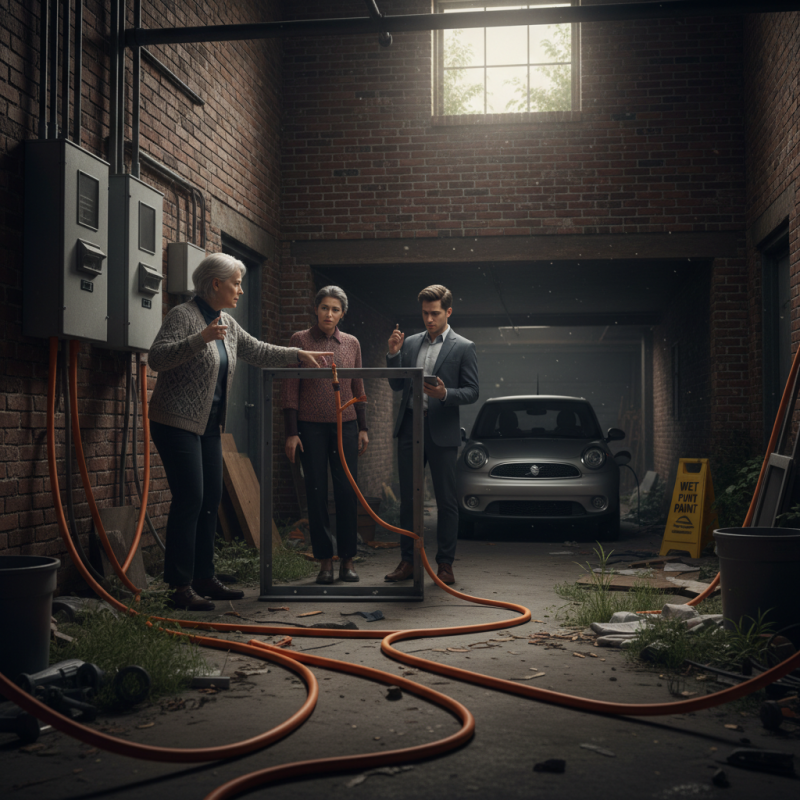
Multi-unit residential buildings face unique challenges in implementing direct current (DC) charging for electric vehicles (EVs). The existing infrastructure often lacks sufficient electrical capacity. According to the U.S. Department of Energy, over 80% of multifamily dwellings do not have access to dedicated electrical parking spaces. This limitation hinders the installation of effective charging stations.
Moreover, the cost of retrofitting older buildings can be prohibitively high. Upgrading electrical systems to meet charging demands is complicated and can exceed budgets. Additionally, residents may have differing needs. Some may prefer fast charging, while others may need only overnight solutions. This varied demand creates logistical challenges in planning and installation.
Regulatory hurdles further complicate the situation. Many municipalities do not have standardized guidelines for EV charging installations. This lack of consistency can lead to delays in approval processes. Failure to address these infrastructure challenges may hinder the widespread adoption of EVs in multi-unit residences, slowing progress toward climate goals. Solutions require collaboration among stakeholders, including property owners, municipal authorities, and utility companies.
This chart illustrates the major challenges faced in implementing DC charging infrastructure in multi-unit residential areas. Each bar represents the severity of different challenges, with 'Limited Space' being the most significant obstacle.
The rapid adoption of electric vehicles (EVs) presents challenges for multi-unit residential DC charging infrastructure. Recent reports indicate that by 2030, the number of EVs on the road could reach 30 million in the U.S. alone. This trend implies a significant rise in charging demand, particularly in urban areas where multi-unit dwellings dominate. The anticipated increase in EV ownership necessitates an efficient charging ecosystem which is currently lacking.
Charging demand will surge as more residents transition to electric vehicles. Studies show that approximately 60% of EV owners prefer charging at home. However, multi-unit dwellings face restrictions. Limited parking spaces and inadequate electrical infrastructure hinder the installation of robust charging stations. In fact, a study revealed that only 15% of apartment complexes offer any form of EV charging. The gap between the growth in EV numbers and available charging options continues to widen.
Moreover, building management often lacks resources to upgrade electrical systems. Feedback from property managers suggests the need for clearer regulations and incentives. Residents express frustration over charging accessibility, yet multi-unit buildings struggle to adapt. Balancing rising charging demands with existing limitations remains a pressing challenge. As electric vehicle adoption continues to accelerate, addressing these issues is essential for sustainable urban mobility.
The integration of electric vehicle (EV) charging stations in multi-unit residential areas encounters significant challenges rooted in electrical grid limitations. According to the U.S. Department of Energy, nearly 80% of EV charging occurs at home. However, multi-unit dwellings often lack adequate electrical infrastructure, limiting available power for charging stations. Many of these buildings were constructed before the rise of electric vehicles, making upgrades costly and complex.
Grid capacity, often a bottleneck, poses another hurdle. The current infrastructure may not support simultaneous charging of multiple vehicles. A report by the International Energy Agency indicates that in urban areas, increased charging demand could strain existing grid systems. Without significant investments in grid upgrades, many residents face long wait times or shared charging capabilities, reducing the convenience of EV ownership.
Local regulations can complicate the installation process as well. Zoning laws may not address the increasing need for EV infrastructure, creating additional compliance challenges. Collaborating with utility providers is essential yet often inefficient. Efforts to streamline permitting processes and enhance grid flexibility are critical for accommodating future charging demands. Addressing these limitations is paramount for fostering a reliable, accessible EV charging ecosystem in urban residential environments.
| Dimension | Description | Impact on Charging Stations | Potential Solutions |
|---|---|---|---|
| Grid Capacity | The maximum electrical load that the grid can support | May limit the number of charging stations installed | Upgrade electrical infrastructure to increase capacity |
| Peak Demand | The highest level of electricity consumption at certain times | Can lead to outages if charging coincides with peak times | Implement smart charging solutions to shift usage |
| Load Balancing | Distributing electrical load across multiple sources | Inefficient load management can lead to overloads | Smart grid technology to improve load distribution |
| Infrastructure Age | Condition and modernity of electrical infrastructure | Older infrastructure may not support modern charging needs | Invest in upgrading and modernizing infrastructure |
| Regulatory Challenges | Local laws and regulations surrounding charging station installations | Complicated regulations can delay deployment | Engagement with policy makers to simplify regulations |
Cost considerations for implementing DC charging in residential areas are complex. The initial investment for DC fast chargers is significantly higher than Level 2 chargers. A report by the U.S. Department of Energy indicates that installation costs can range from $27,000 to $140,000 per DC fast charger. This high cost is a major hurdle for property developers and homeowners' associations.
Moreover, limited grid capacity can increase expenses. Properties may need upgrades to electrical infrastructure. This can add tens of thousands of dollars to the total investment. Many multi-unit residential buildings lack the necessary electrical systems to support multiple fast charging stations. Energy consumption patterns further complicate matters. For instance, peak demand charges can lead to higher utility bills. These bills impact the overall project feasibility.
Community engagement is vital. Residents may oppose charger installation due to perceived costs and disruptions. Striking a balance between infrastructure investment and community acceptance poses a challenge. Many developers find the financial landscape unclear. Uncertainties in demand for electric vehicles raise questions about return on investment. These factors make tackling DC charging in residential areas not only a technical issue but a strategic one.
Multi-unit residential developments face unique challenges regarding DC charging infrastructure. Regulatory and policy barriers significantly impact the viability of installing chargers. A study by the International Energy Agency highlights that nearly 80% of electric vehicle owners live in multi-unit dwellings. Yet, many cannot access reliable charging options, which hampers the transition to electric mobility.
Building codes often lack specific guidelines for EV charging. In many areas, there are no incentives for property owners to implement charging stations. Moreover, local zoning laws may restrict the installation of required electrical infrastructure. This situation creates a complex landscape for developers. As a result, property managers may feel overwhelmed by these regulatory hurdles, leading to inertia.
Tip: Engage with local authorities to understand the specific regulations in your area. Building strong relationships with policymakers can help navigate the complexities of increasing EV charging access. Additionally, advocate for clearer, supportive regulations that promote widespread adoption of charging stations in multi-unit settings.
Barriers are present, but change is possible. Industry organizations often conduct reports on successful models and strategies. According to the U.S. Department of Energy, collaborative efforts between property developers and utility companies have yielded positive results. However, ongoing efforts are needed to create an inclusive charging environment for all residents in multi-unit buildings.
: They often lack sufficient electrical capacity for charging stations.
Over 80% do not have dedicated spaces, limiting charging options.
Upgrading electrical systems can be complicated and exceed budgets.
No, some prefer fast charging, while others only need overnight solutions.
Building codes often lack specific guidelines for EV installation.
There are often no incentives, leading to a lack of motivation.
Engaging with local authorities can clarify regulations and support efforts.
Nearly 80% of EV owners live in multi-unit dwellings without reliable charging options.
Collaboration among property owners, municipal authorities, and utility companies is essential.
Yes, with ongoing efforts, supportive regulations, and collaboration, change is possible.
The article titled "What Makes Multi Unit Residential DC Charging Difficult?" explores the various obstacles associated with implementing DC charging infrastructure in multi-unit residential settings. It highlights the significant challenges posed by inadequate infrastructure, which can hinder the efficient installation of charging stations. Additionally, the varying rates of electric vehicle adoption significantly influence the demand for charging, complicating planning and resource allocation.
Further complicating the situation are limitations within the electrical grid, which can affect the availability and capacity of charging stations, leading to potential overloads in certain areas. Cost considerations also play a crucial role, as the expenses associated with installing DC charging in residential areas may deter property developers. Finally, regulatory and policy barriers can inhibit the integration of charging solutions, leaving residents and property managers facing numerous hurdles when it comes to deploying effective charging infrastructure. Overall, understanding what makes multi-unit residential DC charging challenging is essential for advancing electric vehicle adoption in these communities.

LA Charger