China Top 10 Charging Hubs Why Essential For Long Trips?

Time:2026-09-23 Author:Ethan
0%

China’s highway charging hubs are becoming critical infrastructure for electric mobility and long-distance travel. China had approximately 3.58 million public charging points by the end of 2024, according to the China Electric Vehicle Charging Infrastructure Promotion Alliance. The International Energy Agency also reports that China remains the world’s largest electric vehicle market and charging network.

These figures explain why highway charging hubs are essential for long trips. A driver leaving Shanghai may face hundreds of kilometres before reaching a destination. A reliable hub offers more than electricity. It provides multiple fast chargers, clear payment systems, shaded waiting areas, restrooms, food, and safe parking. Fleet operators also need predictable charging times and dependable access during peak travel periods.

“Charging infrastructure is the key enabler for EV adoption,” says Colin McKerracher, a respected electric mobility analyst at BloombergNEF. His point is practical. A vehicle can have a large battery, but weak public access still creates travel anxiety. The IEA’s Global EV Outlook highlights the need for expanded public charging as electric vehicle ownership increases.

Yet, numbers alone do not guarantee a smooth journey. Some hubs still experience queues, broken connectors, confusing layouts, or uneven charger performance. That weakness deserves attention. China’s leading highway hubs show how better site planning, real-time availability data, and high-power charging can reduce delays. They also reveal an unfinished task: charging must become as convenient as stopping for fuel, not merely more common.
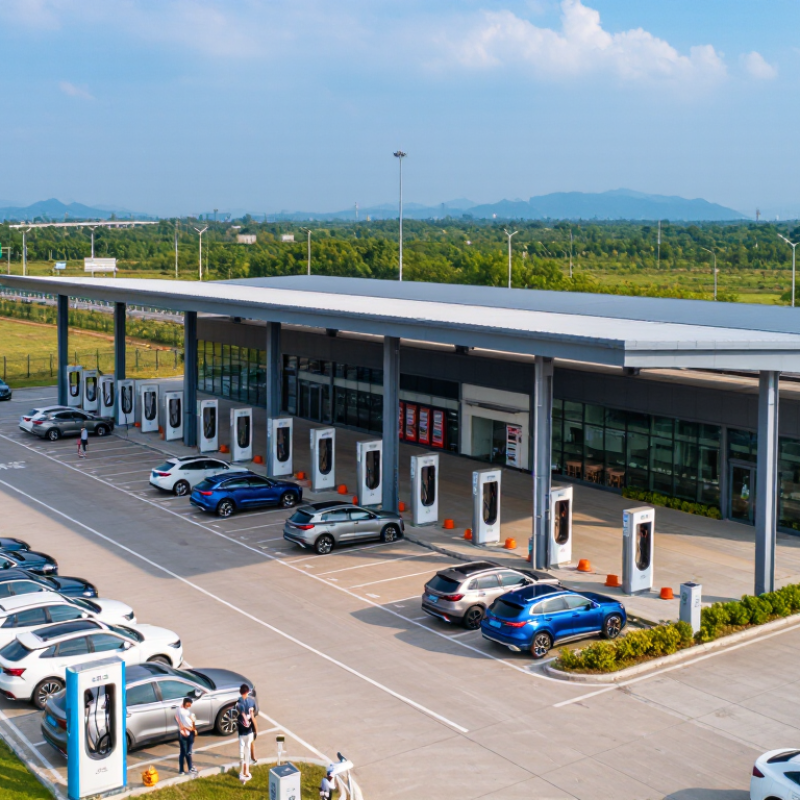
China Top 10 Charging Hubs Why Essential For Long Trips?

What Defines a Top Charging Hub in China?

A top charging hub in China is more than a parking area with many charging points. It must support long-distance travel with dependable equipment, clear signs, and practical access. A strong hub usually offers multiple charging speeds, so drivers can choose between a quick stop and a cheaper, slower session. Working connectors matter more than impressive numbers. Ten reliable chargers are better than thirty frequently unavailable units.

Location also defines quality. Leading hubs sit near expressway exits, service areas, or major transport routes. They should provide safe lighting, clean restrooms, drinking water, and sheltered waiting spaces. A driver arriving at midnight needs readable instructions and enough room to turn safely. Payment should be simple, with visible prices and receipts. Mobile coverage is useful, but an alternative payment method can prevent unnecessary delays.

Operational reliability deserves close attention. Maintenance records, regular safety checks, and real-time availability data help build trust. Staff should understand basic charging faults and offer clear assistance without making risky technical claims. Weather protection is important in regions with heavy rain, snow, or extreme heat. No hub is perfect. A location may have excellent equipment but poor traffic flow, or fast charging but limited seating. Drivers and operators should review these weaknesses honestly, because a convenient journey can still expose small failures that statistics overlook.

How China’s Ten Leading Charging Hubs Are Selected

China Top 10 Charging Hubs: Why Essential For Long Trips?

China’s ten leading charging hubs are selected through practical, measurable criteria. A large charger count alone is not enough. Evaluators examine highway access, regional coverage, and distance between major travel routes. They also check whether drivers can find available charging points during busy holiday periods.

Reliability carries significant weight. Field teams review operating records, average waiting times, charging speed, connector availability, and payment stability. A strong hub should support different vehicle types and provide clear instructions in crowded conditions. Clean toilets, lighting, rest areas, and sheltered parking also matter. These details become important after several hours on the road.

Selection should include verified data from operators, transport authorities, and independent site visits. User feedback can reveal problems that official figures miss. For example, a hub may report many chargers, yet only half may work during peak demand. That gap needs honest attention. Weather performance, maintenance response, and nighttime safety deserve regular reassessment.

The ranking is not permanent. Traffic patterns change, equipment ages, and new routes open. A hub selected this year may perform poorly next year. That is why the ten locations should be reviewed with updated records, repeated inspections, and real driver experiences. A useful list reflects actual travel conditions, not only impressive infrastructure statistics.

Where the Ten Charging Hubs Are Located

China’s ten essential charging hubs are spread across its busiest travel corridors. Beijing serves northern routes toward Tianjin and the coast. Shanghai connects the lower Yangtze region with dense urban charging coverage. Guangzhou and Shenzhen support long-distance travel through southern China. Hangzhou is useful for trips toward Ningbo and nearby scenic areas.

Chengdu and Chongqing are important western gateways, although mountain roads can make charging plans less predictable. Wuhan sits near major routes crossing central China. Xi’an supports journeys between the eastern cities and the northwest. Kunming helps travelers preparing for longer southwestern routes.

These locations are not fixed national rankings. Availability changes with construction, demand, weather, and local traffic. That makes the list practical, but not perfect.

Tips: Check charger status before leaving a city. Keep a reserve of at least 20 percent battery. Rural stations may have fewer connectors and slower service. At busy hubs, early morning charging is often calmer. Carry a payment method that works locally, and save the station address offline. I have found that route planning by distance alone is unreliable. Elevation, winter temperatures, and holiday queues can change the real driving range. Allow extra time, especially near mountain cities and major expressway junctions.

What Services and Facilities Do These Hubs Offer?

China Top 10 Charging Hubs: Why Essential for Long Trips?

What Services and Facilities Do These Hubs Offer?

China’s major charging hubs now function as travel stops, not simple electricity points. The International Energy Agency reported about 3.3 million public chargers in China at the end of 2023. China also added roughly 1.2 million public chargers that year. This scale supports long-distance travel between cities, industrial zones, and tourist areas.

A well-designed hub usually combines high-power charging, shaded parking, restrooms, drinking water, and clearly marked waiting areas. Many larger sites provide small restaurants, convenience shops, children’s spaces, and quiet workrooms. Some offer tire inflation, basic vehicle checks, and digital payment support. These details matter after three hours on a highway.

Fast charging saves time. It can also create queues. The IEA noted that China’s public fast-charging network expanded rapidly in 2023, reflecting stronger demand for shorter charging stops. Yet service quality is not always consistent. A busy hub may have excellent equipment but limited seating or poor ventilation. Drivers should check charger availability, nearby facilities, and estimated waiting time before arrival. EVCIPA’s operational reports also show why ongoing maintenance matters. A charger that is installed but unavailable helps nobody. Better hubs need reliable uptime, clean facilities, and staff who can respond when plans change.

China’s Top 10 Charging Hubs: Why They Matter for Long Trips

China’s expanding charging network supports long-distance travel through public fast charging, highway rest areas, parking, toilets, food services, convenience retail and digital payment access.

The chart shows China’s year-end charging-facility totals in millions. In 2024, the country had approximately 12.818 million charging facilities, including 3.579 million public facilities and 9.239 million private facilities. Public facilities are especially important for long trips because they serve drivers away from home and are concentrated at transport corridors, service areas and urban charging hubs.

Source: China Electric Vehicle Charging Infrastructure Promotion Alliance, year-end 2023 and 2024 statistics.

How to Plan Long Trips Around China’s Charging Hubs

Planning long trips around China’s charging hubs requires more than finding the nearest station. The China Electric Vehicle Charging Infrastructure Promotion Alliance reported 12.82 million charging facilities nationwide by the end of 2024. Public chargers represented about 3.58 million of that total. However, availability differs sharply between major corridors, rural roads, and tourist areas. The International Energy Agency also identifies China as the world’s largest public charging market. Distance alone is not a reliable planning measure.

Map each driving day around two major charging hubs, not one. Keep a backup hub within 30 to 60 kilometres whenever possible. Check connector compatibility, opening hours, payment access, and live queue information before leaving. A 20-minute charging stop can become much longer during holiday traffic. I have found that highway rest areas may fill quickly after lunch, while early morning stops are often calmer. That assumption can still fail during severe weather.

Tips: Start with an 80% charge when the next reliable hub is far away. Reserve extra energy for traffic, hills, air conditioning, and detours. Avoid arriving below 10% unless the route is verified. Carry a charging cable and keep offline route details. The Ministry of Transport has repeatedly promoted charging coverage along major highways, yet coverage does not guarantee every unit works. Check recent user reports, and leave room for mistakes.

FAQS

How are China’s leading charging hubs selected?

Selection considers charger numbers, highway access, regional coverage, and route spacing. Reliability matters too. Evaluators review waiting times, charging speed, connector availability, payment stability, and operating records. A large hub may still perform poorly if many chargers are unavailable.

Why are these charging hubs important for long trips?

They support travel between major cities, industrial areas, and tourist destinations. High-power chargers can reduce stopping time. Restrooms, shaded parking, water, and seating also help after hours on the road. Charging is only part of the journey.

Which areas contain important charging hubs?

Major hubs serve northern, eastern, southern, central, western, and southwestern travel corridors. Large cities connect routes toward nearby regions and expressway junctions. Mountain areas may be less predictable because elevation and weather affect driving range.

What facilities can drivers expect at a major hub?

Many hubs provide fast chargers, marked waiting spaces, restrooms, drinking water, and sheltered parking. Larger sites may include shops, small restaurants, children’s areas, or quiet workrooms. Some locations offer tire inflation and basic vehicle checks.

How can drivers prepare before reaching a charging hub?

Check charger status before leaving the city. Keep at least 20 percent battery in reserve. Save the station address offline, and carry a locally accepted payment method. Rural stations may have fewer connectors and slower service.

When is charging usually less crowded?

Early morning is often calmer at busy hubs. Holiday periods can create long queues, even when many chargers are installed. Check estimated waiting times before arrival. I would not trust distance alone.

Why can a hub with many chargers still be inconvenient?

Some chargers may be broken, occupied, or unavailable during peak demand. Seating, ventilation, lighting, and staff response may also be inadequate. Official figures can miss these problems. Real driver feedback reveals the rough edges.

How reliable are rankings of the ten leading hubs?

Rankings are temporary rather than permanent. Traffic patterns, equipment condition, construction, weather, and local demand can change quickly. Repeated inspections and updated records are necessary. A useful list reflects real conditions, but it may still be imperfect.

Conclusion

China’s top ten charging hubs are selected for their strategic locations, charging capacity, accessibility, reliability, and ability to support drivers traveling between major cities and remote destinations. Positioned along important expressways and transport corridors, these hubs create a practical nationwide network that reduces range concerns and makes long-distance electric travel more predictable. Their importance explains why highway charging hubs are essential for long trips: they allow drivers to recharge at planned intervals while avoiding unnecessary detours or extended waiting times.

Beyond charging equipment, leading hubs may provide multiple connector options, clear parking layouts, rest areas, food services, toilets, emergency support, battery-friendly waiting spaces, and real-time availability information. Travelers can plan routes by identifying suitable hubs, checking distances between stops, estimating charging time, and allowing extra capacity for traffic, weather, and terrain. By combining dependable infrastructure with convenient travel services, these hubs help make cross-country journeys safer, smoother, and more comfortable.

Ethan

Ethan

Ethan is a seasoned marketing professional with a deep expertise in our company's innovative product line. With a passion for sharing knowledge and insights, he takes the lead in regularly updating our corporate blog, where he explores industry trends, product features, and effective marketing......