How to Choose the Best Location for DC Charging Stations?

Time:2026-07-05 Author:Ethan
0%

The rapid growth of electric vehicles has led to increased demand for DC charging stations. Knowing how to choose the right location for DC charging stations is vital for maximizing their usage and effectiveness. According to Dr. Emily Fischer, a noted expert in electric vehicle infrastructure, "The placement of charging stations can significantly impact user convenience and charging behavior."

Selecting the perfect site for these stations involves several considerations. Accessibility to major roads, proximity to amenities, and visibility can greatly affect user experiences. Charging stations placed near shopping centers or restaurants will likely see more traffic, as drivers may take advantage of waiting times. However, this is not always simple. Urban planning may limit options, and some areas may lack the necessary electrical infrastructure.

It's crucial to engage with local communities and stakeholders during the planning phase. Understanding the specific needs of an area can lead to better site decisions. Not all locations will be ideal, and some initial choices may not yield expected results. Learning from these experiences can help improve future placements and ultimately enhance the charging network's reliability and efficiency.
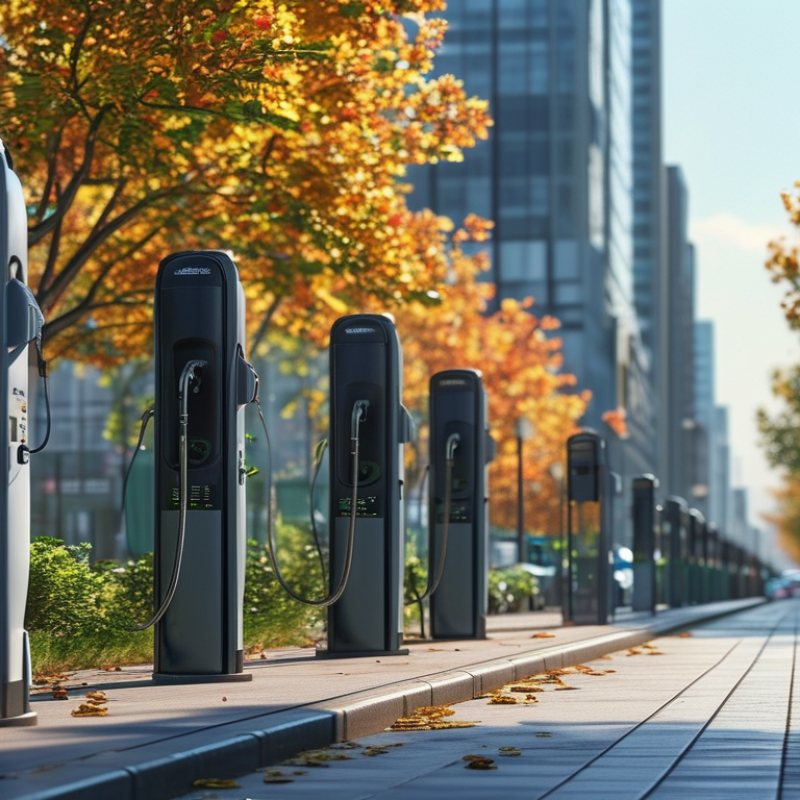
How to Choose the Best Location for DC Charging Stations?

Understanding the Importance of Location for DC Charging Stations

Choosing the best location for DC charging stations is crucial. A well-placed station can significantly impact usage rates. Consider visibility and accessibility. Locations near shopping centers and busy intersections attract more users. They are convenient for drivers to charge their electric vehicles while they shop or dine.

Proximity to major highways is also important. Charging stations should be ideally located for long-distance travelers. This encourages electric vehicle adoption by easing range anxiety. However, sites near such routes may face challenges, such as land acquisition or zoning restrictions.

It's essential to assess local demand and infrastructure. Understanding peak usage times can help in planning. Areas with high electric vehicle ownership likely need more charging options. Yet, the cost of installation and maintenance can be a barrier. Striking a balance between demand and feasibility is key.

How to Choose the Best Location for DC Charging Stations?

Location Criteria Importance Level Suggested Locations Potential Challenges
Proximity to High Traffic Areas High Shopping Malls, Airports Space Constraints, Competition
Access to Power Supply High Parking Lots, Roadside Infrastructure Costs
Visibility and Signage Medium Downtown Areas, Major Highways Regulatory Restrictions
Safety and Security High Well-Lit Areas, Gated Locations Neighborhood Safety Perceptions
Convenience of Amenities Medium Restaurants, Retail Stores Limited Options Nearby
Local Regulations High Municipal Lots, Private Properties Permit Processes

Identifying High Traffic Areas for Optimal Accessibility

When selecting locations for DC charging stations, accessibility is key. High traffic areas can greatly enhance visibility and usage. Think of spots near shopping centers, office complexes, or popular restaurants. These places attract many people, making it convenient for electric vehicle (EV) owners.

Consider the flow of traffic. Choosing locations with easy entry and exit can make a difference. Look for sites near main roads or highways where drivers can quickly stop for a charge. However, balancing the distance from existing charging infrastructure is also important. Too many stations in one area may lead to competition without sufficient demand.

Conducting a survey to analyze local traffic patterns can provide valuable insights. Pay attention to peak times and seasonal fluctuations. It's essential to adapt to these changes. Staying flexible will help ensure your stations are used effectively. Regularly reassess these locations based on user feedback. This ongoing evaluation can uncover new opportunities or reveal underperforming sites.

Traffic Patterns for DC Charging Stations

This chart represents the average daily visitors in thousands for various high traffic areas where DC charging stations can be optimally located. By identifying areas such as business districts and highway exits, we can ensure better accessibility and usage.

Evaluating Proximity to Amenities and Services

Choosing the right location for DC charging stations is crucial. Proximity to amenities and services can enhance the user experience. A charging station near cafes, shopping areas, or parks is more appealing. Drivers might prefer to charge their vehicles while enjoying a coffee or shopping.

When identifying potential sites, consider foot traffic. High-traffic areas attract more users. Locations near public transportation hubs are also beneficial. This makes it easier for users to combine errands and charging.

Tips: Assess the average time a driver spends at a location. If users typically spend 30 minutes or more, it’s a prime spot. Look for safe, well-lit areas. Accessibility is key; ensure the site is easy to reach. Planning an effective location is not just about convenience. It requires a balance of safety, accessibility, and usability. Be prepared to adjust your choices based on user feedback and changing traffic patterns.

Analyzing Electrical Infrastructure and Power Supply Availability

When selecting locations for DC charging stations, analyzing electrical infrastructure is crucial. A report from the Department of Energy shows that 80% of EV charging occurs at home or work. However, public charging relies heavily on grid availability. In many areas, infrastructure is outdated. This can hinder the deployment of DC charging stations, especially in densely populated regions.

Evaluating power supply availability involves assessing both local utilities and existing grid conditions. It’s important to understand the peak load times and capacity. According to a study by the International Energy Agency, a significant number of cities may struggle with demand as EV adoption increases. Locations near commercial centers may face unique challenges. Insufficient grid support can lead to long wait times for users.

Real estate decisions also play a role. High foot traffic areas attract more users, but they often lack sufficient power supply. Some charging sites may experience electrical upgrades, which can be costly and time-consuming. The location must balance accessibility and infrastructure readiness. This requires ongoing assessment and collaboration with local authorities.

Considering Local Regulations and Zoning Laws for Installation

When selecting a location for DC charging stations, local regulations and zoning laws play a crucial role. These laws vary significantly by region. It's essential to research the specific requirements in your area. Some locations may require permits for installation. Others might have restrictions on how many stations can be installed in one place.

Consulting with local authorities can provide insights into these regulations. Zoning laws often dictate where charging stations can be located. Understanding these rules can save time and resources in the long run. Ideally, choose locations that align with community goals for green energy. This consideration can boost local support and enhance user experience.

Don’t overlook the importance of accessibility. Charging stations should be easy to reach and visible. If a site lacks proper signage or road access, it may discourage usage. Reflect on potential challenges that could arise during installation. Engage with community stakeholders to understand their needs. Ultimately, adhering to regulations while serving community interests is vital for success.

FAQS

: Why is location accessibility important for charging stations?

: Accessible locations boost visibility and usage. High traffic areas attract more electric vehicle owners.

What types of areas are ideal for charging station placement?

Look for spots near shopping centers, offices, and popular restaurants. These locations have more potential users.

How can traffic flow impact charging station effectiveness?

Easy entry and exit improve user experience. Locations on main roads or highways are usually better.

Why should we consider competition between charging stations?

Too many stations in one area can lead to competition without enough demand. Balance is important.

How can local traffic patterns inform station placement?

Conducting surveys reveals peak times and seasonal changes. Adapting to these insights can enhance usage.

What concerns exist regarding electrical infrastructure for charging stations?

Many areas have outdated infrastructure. This can hinder charging deployments, particularly in densely populated regions.

Why is analyzing power supply availability necessary?

Understanding peak load times and existing grid conditions ensures sufficient support for charging needs.

What challenges do commercial centers face regarding charging stations?

High foot traffic is appealing but often lacks the necessary power supply. Upgrades can be costly and slow.

How should locations for stations be evaluated over time?

Regular reassessment based on user feedback helps identify opportunities and underperforming sites.

What balance is crucial when choosing sites for charging stations?

The ideal site must consider both accessibility and the readiness of electrical infrastructure.

Conclusion

When considering how to choose the right location for DC charging stations, it is crucial to understand the significance of their placement. High traffic areas should be identified to ensure optimal accessibility for electric vehicle users, as the convenience of location directly influences charging station utilization. Additionally, proximity to amenities and services, such as retail spaces, restaurants, and rest areas, enhances the appeal of charging stations, providing users with the opportunity to engage in other activities while they charge.

Furthermore, analyzing the existing electrical infrastructure and power supply availability is essential to guarantee that the charging stations can operate efficiently without overloading the grid. Lastly, local regulations and zoning laws must be considered to ensure a smooth installation process and adherence to community standards. By evaluating these factors, stakeholders can effectively determine the best locations for DC charging stations, ultimately promoting the adoption of electric vehicles.

Ethan

Ethan

Ethan is a seasoned marketing professional with a deep expertise in our company's innovative product line. With a passion for sharing knowledge and insights, he takes the lead in regularly updating our corporate blog, where he explores industry trends, product features, and effective marketing......