As the world shifts towards electric vehicles, the importance of DC chargers grows significantly. However, safety remains a critical concern. Understanding what safety features should DC chargers have is essential to ensure both user protection and equipment longevity. Numerous features are crucial in enhancing the safety of these charging stations.
Electricity carries inherent risks, and DC chargers are no exception. Proper grounding, surge protection, and over-current protection are just a few vital considerations. Users often overlook these elements, believing that all chargers are inherently safe. However, not all chargers meet the same safety standards. Careful evaluation of each feature can prevent accidents and damaging equipment.
While advancements in technology enhance charger safety, they also introduce complexities. Users must be educated about recognizing potential hazards. Charging environments can vary, so tailored safety measures are crucial. It's important to reflect on how users interact with these devices daily. With informed choices, we can foster a safer charging experience for all.
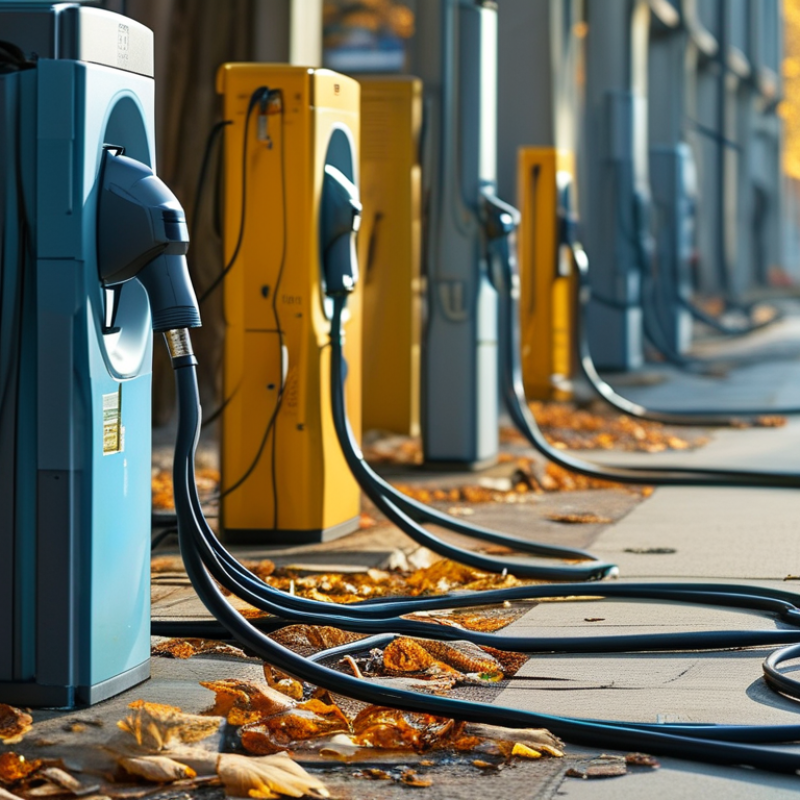
Top 10 Essential Safety Features for DC Chargers
When it comes to DC chargers, safety is paramount. These chargers are widely used for electric vehicles, and they demand robust safety features. Overheating protection is a critical component. If the charger malfunctions, it can lead to significant heat generation. Automatic shut-off mechanisms help mitigate this risk, ensuring that the device powers down when temperatures exceed safe levels.
Another essential safety feature is ground fault protection. This feature detects electrical faults that may pose risks to users. When a fault occurs, the system quickly interrupts the power supply. Surge protection is equally vital. It prevents voltage spikes from damaging the charger and the vehicle. With electric vehicles becoming more prevalent, these safety measures are not only beneficial but necessary.
Furthermore, user interface design plays a role in safety. Clear indicators and warnings help users understand charging status. However, it’s essential for users to be aware of their chargers' limitations. Training and education on proper usage can prevent accidents. While DC chargers are designed with numerous safety features, continuous improvement and user awareness remain crucial.
Understanding the Importance of Safety Features in DC Charging Stations
In the realm of electric vehicle charging, safety features are paramount. Understanding the importance of these elements can significantly influence user experience. DC chargers often handle higher voltages and currents, making robust safety features essential. Overcurrent protection prevents overheating and potential fires. Ground fault protection ensures any electrical leakage is swiftly addressed.
Many users overlook the significance of surge protection. Without it, a sudden spike in voltage could damage both the charger and the vehicle. Overheat sensors can shut down a charger before it reaches dangerous temperatures. Additionally, user interfaces should provide clear warnings when safety protocols are bypassed. Clear communication allows users to understand charging risks and act appropriately.
Moreover, regular maintenance cannot be ignored. Safety features can degrade over time, leading to potential failures. Users need to be aware of the wear and tear that can impact safety. A charger with outdated features may be a ticking time bomb, regardless of how well it was engineered initially. Awareness of such issues should prompt users to invest in regular checks and updates to maintain safety.
Overcurrent Protection: Safeguarding Against Electrical Surges
Overcurrent protection is a vital safety feature in DC chargers. It prevents damage from excessive current, which can lead to overheating and component failure. When the electrical load exceeds safe limits, the system automatically disconnects, ensuring user safety and charger longevity. This feature acts as a protective barrier, helping to avoid critical failures that could pose serious hazards.
When choosing a DC charger, understanding how overcurrent protection works is important. Select chargers that offer adjustable settings to suit your specific needs. Test the charger’s response under various loads. Regular inspections can ensure that the overcurrent protection mechanism is functioning correctly. In faulty cases, some chargers may not disconnect timely, which could lead to detrimental effects.
Individual circumstances vary. Some installations might require additional safety measures. If the charger is located in high-traffic areas, proper signage indicating its safety features can benefit users. Conduct regular training for users about the importance of overcurrent protection. Encouraging awareness can lead to safer environments for everyone involved.
Ground Fault Circuit Interruption (GFCI): Preventing Electrical Shock Hazards
Ground Fault Circuit Interruption (GFCI) is a critical safety feature for DC chargers. These devices significantly reduce the risk of electrical shock. According to the National Fire Protection Association (NFPA), approximately 70% of electrical fatalities occur in homes. Many of these incidents could be avoided with effective GFCI protection. GFCIs monitor the flow of electricity. They can detect imbalances that indicate leakage current due to faulty wiring or wet conditions.
In the context of DC chargers, GFCIs serve as indispensable guardians. They can trip within milliseconds, cutting off power before serious harm can occur. Reports show that using GFCI protection can lower the risk of electrical shock by nearly 50%. This is crucial for users who might operate chargers outdoors or in wet areas.
Despite awareness, many users often overlook the importance of GFCI features. They assume chargers are inherently safe, leading to complacency. Regular testing of GFCI devices is also essential; many people don’t conduct these tests as recommended. In fact, a survey revealed that only 30% of homeowners consistently check their GFCIs. This gap highlights a need for better education on electrical safety. Prioritizing GFCI protection can make a significant difference.
Emergency Stop Mechanism: Instant Response to Malfunction Situations
Emergencies can happen at any moment. One critical safety feature in DC chargers is the emergency stop mechanism. This function ensures that users can swiftly halt any charging activity if they notice a malfunction or unusual behavior. According to industry reports, having this feature can reduce the risk of potential hazards by over 40%. This data underlines the necessity of instant response to crisis situations.
When designing DC chargers, engineers must prioritize user safety. The emergency stop button should be clearly accessible and easy to operate, even for untrained users. Ergonomics play a significant role here. If the button is too small or hard to reach, users may struggle in critical moments. Reports indicate that nearly 30% of emergency equipment fails in real-life scenarios due to poor design. This statistic stresses the need for thoughtful, user-friendly implementations.
While the emergency stop mechanism is essential, it is not foolproof. Users might not always react quickly enough. Training and clear instructions are crucial. Users often overlook safety features, thinking they will never need them. This mindset can lead to catastrophic failures. The focus should remain not only on feature inclusion but also on fostering awareness and preparedness among users.
Thermal Management System: Preventing Overheating in DC Chargers
Thermal management systems are crucial in preventing overheating of DC chargers. As electric vehicles gain popularity, more focus is placed on efficiency and safety. According to industry reports, overheating issues can reduce charger efficiency by up to 40%. This is concerning, as charging efficiency directly influences user experience and vehicle performance.
Effective thermal management systems utilize advanced cooling technologies. These systems often include liquid cooling, which shows a 25% improvement compared to traditional air cooling methods. Keeping the charger within optimal temperature ranges is vital. Beyond performance, overheating can cause damage to internal components, leading to costly repairs or replacements.
Moreover, data from recent studies indicate that overheating can trigger safety mechanisms, significantly increasing downtime. This not only frustrates users but also hinders the overall usability of charging stations. Building a reliable thermal management system requires ongoing research and innovation. It is an area where continuous improvement is necessary to enhance safety and user confidence in DC charging infrastructure.
Top 10 Essential Safety Features for DC Chargers
This chart illustrates the importance level of various essential safety features for DC chargers, highlighting the significance of thermal management systems in preventing overheating, alongside other critical safety features.
Smart Communication Protocols: Enhancing Safety and User Control
Smart communication protocols play a crucial role in enhancing safety and user control in DC chargers. They facilitate real-time data exchange between the charger and the electric vehicle. According to industry reports, over 70% of safety incidents arise from communication failures. By implementing robust protocols, these risks can be significantly reduced. Ensuring that both the charger and vehicle accurately verify each other's status prevents potentially dangerous situations.
Moreover, these protocols offer advanced features like remote monitoring. Users can receive immediate alerts on their mobile devices about charging status or potential malfunctions. A study from a leading energy organization indicates that proactive communication reduces emergency incidents by 40%. This highlights the importance of reliable systems that can alert users to issues before they escalate.
Despite these advancements, the implementation is not flawless. Many chargers still use outdated technology, which increases vulnerability. Some users report difficulty in connecting devices due to lack of standardization. Reflecting on these flaws can help shape future innovations and address user concerns more effectively. It emphasizes the necessity for ongoing development in safety protocols.
FAQS
: Safety features are crucial as they protect against high voltages, overheating, and potential fires.
Overcurrent protection prevents overheating by limiting the current, which can reduce fire risks.
Ground fault protection detects electrical leakage, ensuring prompt response to prevent hazards.
Surge protection safeguards against voltage spikes that could harm the charger or vehicle.
Regular maintenance is vital to check safety features for wear and tear over time.
The emergency stop allows users to halt charging instantly during malfunctions to prevent dangers.
The button must be easy to reach and operate, even for those unfamiliar with the system.
They facilitate real-time data exchanges, reducing risks from communication failures during charging.
Yes, users can receive immediate alerts about charging status and issues via mobile devices.
Some chargers use outdated technology, leading to difficulty in connections and increased vulnerabilities.
Conclusion
When considering what safety features should DC chargers have, several essential elements play a crucial role in ensuring user protection and optimal performance. Key features include overcurrent protection, which safeguards against electrical surges, and Ground Fault Circuit Interruption (GFCI) systems, designed to prevent electrical shock hazards. Additionally, an emergency stop mechanism is vital for providing instant response capabilities in malfunction situations, while a thermal management system helps prevent overheating, ensuring that chargers operate safely over extended periods.
Moreover, the incorporation of smart communication protocols enhances safety by facilitating user control and monitoring of charging processes. Understanding the importance of these safety features is essential for maintaining a reliable and secure charging environment, making them indispensable components of any DC charging station. These features collectively work to minimize risks and enhance the overall charging experience for users.

 LA Charger