The rise of electric vehicles (EVs) has revolutionized the automotive landscape, bringing forth new challenges. One key concern is the availability of charging infrastructure. Fast charging infrastructure plays a critical role in addressing these challenges. According to the International Energy Agency, global EV sales topped 6.6 million in 2021, highlighting a significant transition toward sustainable transport. As demand grows, so does the need for efficient charging solutions.
How fast charging infrastructure benefits EV users is evident in various ways. Research from BloombergNEF indicates that expanding fast chargers could increase EV adoption by 21%. This adoption fosters user confidence, as drivers can recharge their vehicles quickly and continue their journeys. However, a lack of this infrastructure in certain regions still poses challenges. It is essential to address these gaps for widespread acceptance and convenience.
Investing in fast-charging networks enables greater accessibility and reduces range anxiety among EV users. Studies suggest that users are more likely to choose EVs when reliable fast charging options are nearby. Yet, issues like uneven distribution of charging stations require thoughtful planning. Even with existing progress, the industry must continuously adapt to meet user needs effectively.
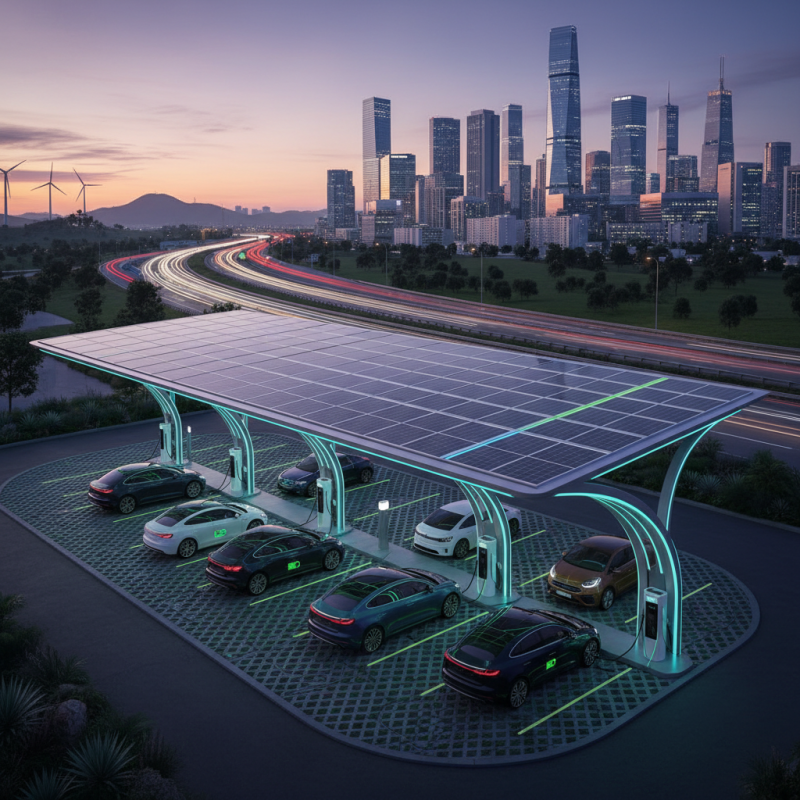
The evolution of fast charging technology for electric vehicles (EVs) has marked a transformative shift in the automotive landscape. Recent reports indicate that the global fast charging market is projected to reach $40 billion by 2027, reflecting a compound annual growth rate of over 30%. This growth highlights the increasing demand for efficient charging solutions as more consumers transition to electric mobility.
Fast charging infrastructures are no longer mere extensions of traditional EV charging stations. These advanced setups utilize high-power technology to significantly reduce the time required to recharge an EV. Current fast chargers can provide up to 350 kW, which allows compatible EVs to achieve 80% battery charge in approximately 20-30 minutes. However, the widespread adoption of such infrastructure raises questions about the strain on electrical grids and energy sustainability. Not all regions are prepared for this shift, and some areas risk overloading their systems.
Despite the promise of fast charging, some challenges remain. For instance, while the convenience of rapid charging is appealing, many users express concerns about battery degradation. Studies show that frequent high-speed charging can reduce battery lifespan by 20%. It's essential to balance charging speed with long-term battery health. The future of fast charging will need to address these complexities to ensure a reliable and sustainable EV ecosystem.
The chart above illustrates the growing adoption rate of electric vehicles (EVs) from 2018 to 2023 as influenced by the expansion of fast charging infrastructure worldwide. As charging infrastructure improves, more users are likely to consider switching to electric vehicles, leading to a significant increase in adoption rates.
The rise of fast charging infrastructure has transformed the electric vehicle (EV) landscape. Historical data shows that global EV sales surged from 0.5 million in 2015 to over 10 million in 2022. This sharp increase correlates with the expansion of fast charging stations, which grew significantly in various regions. For instance, a report from the International Energy Agency stated that fast chargers increased by 25% year-on-year, reaching nearly 1.5 million units worldwide in 2021. This growth has played a crucial role in alleviating range anxiety among potential EV users.
Despite the clear benefits, there remain significant challenges. Fast charging stations are often clustered in urban areas, leaving rural regions underserved. For example, in many European countries, over 70% of fast chargers are found in metropolitan hubs. This creates an imbalance, affecting user experience and dealership sales. Thus, while the progress is encouraging, attention must focus on equitable distribution of charging infrastructure to ensure broader adoption of EVs globally.
Moreover, charging speeds can vary significantly. Not all fast chargers provide the same level of service, leading to potential dissatisfaction among users. A study indicated that around 30% of EV owners experience slower-than-expected charging options. This inconsistency can hinder the user experience, making it clear that continuous improvement and investment in the charging network are vital.
Fast charging infrastructure is revolutionizing the electric vehicle (EV) landscape. The convenience it provides is crucial for EV owners. According to the International Energy Agency (IEA), the number of fast chargers globally grew by over 40% in the past year. This surge enables users to recharge in as little as 30 minutes, depending on the charger and vehicle type. Quick charging sessions are essential for long-distance travel, allowing drivers to cover significant distances without lengthy downtime.
Many EV users appreciate the flexibility fast charging offers. A report by the Rocky Mountain Institute highlights that EV owners spend less time at charging stations compared to traditional vehicles refueling. This improvement enhances overall user experience. However, access to fast chargers can be uneven across regions, leading to potential gaps in charging availability. Some areas still lack sufficient infrastructure, creating anxiety for EV users on long journeys. Addressing these disparities is vital for promoting widespread EV adoption and ensuring all users reap the benefits of fast charging.
Moreover, the transition to fast charging aligns with more sustainable practices. According to the Global EV Outlook, a robust fast charging network can reduce greenhouse gas emissions significantly. Yet, the environmental impact of charging sources remains a concern. As reliance on renewable energy increases, the sustainability of fast charging can improve. Continuous investment and development are essential for building a reliable and eco-friendly charging network.
| Benefits | Details | User Impact |
|---|---|---|
| Reduced Charging Time | Fast charging can replenish up to 80% of battery capacity in 30 minutes | Increases convenience, making EVs more practical for daily use |
| Enhanced Travel Flexibility | Widespread fast charging stations allow for longer journeys with minimal downtime | Encourages road trips and reduces range anxiety |
| Improved Accessibility | Fast chargers are often located in everyday destinations like shopping malls and highways | Makes it easier for users to charge while engaging in other activities |
| Cost Efficiency | Fast charging stations can offer competitive pricing strategies | Makes EV ownership more economical compared to traditional vehicles |
| Environmental Benefits | Fast charging encourages EV adoption, reducing reliance on fossil fuels | Contributes to cleaner air and lower carbon emissions |
The rise of fast charging infrastructure is reshaping the electric vehicle (EV) landscape. One of its most significant impacts is on range anxiety. This concern stems from drivers worrying about running out of battery during their travels. Fast charging stations alleviate this fear by providing quick replenishment of energy. A 30-minute charge can offer a substantial range boost, enabling drivers to feel more secure on longer journeys.
Travel convenience has also improved significantly. EV users no longer need to meticulously plan routes around slow chargers. The availability of fast charging options means more stops just for a coffee break. These quick charges can transform a lengthy drive into a more manageable experience. Yet, challenges remain. Not all areas have equal access to fast chargers. Some regions lag, limiting users’ confidence in traveling remote areas.
Additionally, the fast charging experience can vary by location. Some stations are crowded, leading to longer wait times. Users may find themselves inconvenienced when socializing with fellow drivers instead of simply charging. Despite these challenges, the overall benefits of fast charging cannot be overstated. By easing range anxiety and enhancing travel convenience, fast charging plays a crucial role in accelerating EV adoption globally.
The future of fast charging infrastructure is evolving rapidly. As electric vehicle (EV) adoption increases, countries are investing heavily in charging networks. Advanced technologies are emerging to facilitate quicker charging times. For instance, ultra-fast chargers can deliver significant power, enabling full charges in under 30 minutes. This rapid development aims to alleviate range anxiety for EV users.
Emerging trends include the integration of renewable energy sources into charging stations. Solar panels and wind turbines are becoming common sights at these locations. This shift not only enhances sustainability but also reduces operational costs. Furthermore, smart charging solutions are on the rise. These systems can optimize energy use based on demand and grid conditions. However, challenges remain. Standardization of charging connectors is still inconsistent globally. This can lead to confusion for users and potential barriers to EV adoption.
Collaboration among stakeholders is critical for future advancements. Local governments, energy providers, and automakers must work together. Their combined efforts can lead to a more reliable and efficient charging infrastructure. As the technology matures, it will play a pivotal role in shaping the EV landscape. Despite the potential benefits, users and developers must remain vigilant in addressing evolving needs.
: Fast charging dramatically increases convenience for EV owners. It allows quicker recharging, which is crucial for long-distance journeys.
The global number of fast chargers grew over 40% in one year, reaching nearly 1.5 million in 2021.
Fast chargers are often concentrated in urban areas. Many rural regions lack sufficient access, causing potential user frustration.
Around 30% of EV owners experience slower-than-expected charging. This inconsistency can lead to dissatisfaction and anxiety for users.
Uneven access to fast charging can hinder EV adoption. Addressing this issue is vital to ensure all users benefit equally.
A robust fast charging network can reduce greenhouse gas emissions, aligning with sustainable practices as renewable energy sources increase.
Depending on the charger and vehicle type, users can recharge in as little as 30 minutes, improving travel efficiency.
While fast charging is beneficial, the environmental impact of power sources still needs to be addressed for true sustainability.
Continuous investment and innovation are crucial to enhance charging speed and expand access, especially in underserved areas.
EV owners spend less time at charging stations compared to traditional refueling, enhancing their overall experience.
The article "How Fast Charging Infrastructure Benefits EV Users Worldwide" explores the evolution of fast charging technology and its global adoption, highlighting the significant advancements that have made electric vehicle (EV) travel more convenient and accessible. Over the years, infrastructure has expanded, reducing the barriers to widespread EV use.
Fast charging benefits EV users by greatly alleviating range anxiety, allowing for quicker vehicle recharging during long journeys and everyday use. This fosters confidence in electric mobility, making it an appealing choice for many consumers. As future trends indicate further development of fast charging networks, the ongoing improvements promise to enhance travel convenience, making it easier for EV users worldwide to integrate electric vehicles into their daily lives. Through this continued evolution, the advantages of how fast charging infrastructure benefits EV users will only grow, ultimately shaping the future of sustainable transportation.

LA Charger