Why Fast DC Chargers Are Key to Driving EV Adoption?

Time:2026-06-26 Author:Sienna
0%

The transition to electric vehicles (EVs) is crucial for reducing carbon emissions. A key factor driving this shift is fast DC chargers. According to the International Energy Agency, there were over 2 million public charging points globally by 2021, but the distribution of fast chargers remains uneven. This crucial infrastructure supports longer trips and reduces range anxiety, a significant barrier for potential EV buyers.

Many studies show that quick charging options can enhance EV adoption rates significantly. The U.S. Department of Energy indicates that EV owners prefer charging solutions that take less than 30 minutes. Fast DC chargers play a major role in addressing this need. As EV technology evolves, so must the charging infrastructure. Yet, the growth in fast charging networks faces challenges, such as high installation costs and grid capacity issues.

Understanding why fast DC chargers are important for EV adoption is vital for stakeholders. As more consumers look to transition to EVs, ensuring an accessible and efficient charging network is critical. Expanding these facilities can help create a sustainable future, but it requires collaboration among governments, businesses, and communities. The push for fast DC chargers could reshape the automotive landscape, yet there is still much work to be done.
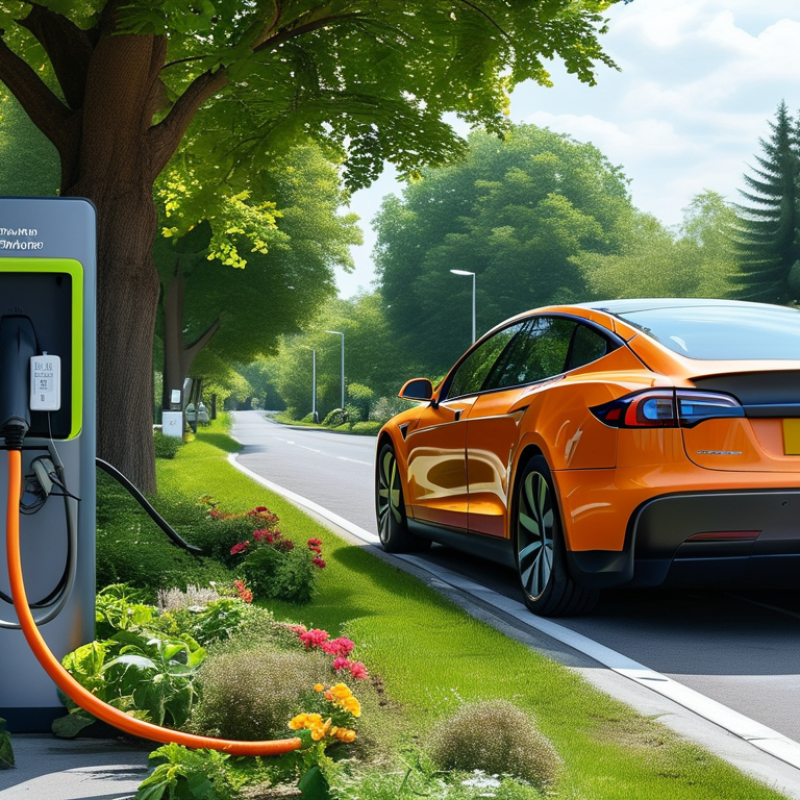
Why Fast DC Chargers Are Key to Driving EV Adoption?

The Importance of Fast DC Chargers in EV Infrastructure Expansion

Fast DC chargers play a crucial role in expanding EV infrastructure. They reduce charging times significantly, making electric vehicles more appealing. According to the International Energy Agency (IEA), ultra-fast chargers can provide up to 80% of battery charge in just 30 minutes. This rapid charging capability addresses one of the biggest concerns for potential EV adopters: range anxiety.

Moreover, studies indicate that the availability of fast charging stations directly influences buying decisions. A report by Bloomberg New Energy Finance states that for every 10% increase in charging infrastructure coverage, EV adoption rates could rise by 3%. However, while the growth of fast DC charger networks is promising, access remains uneven in many regions. Urban areas often have better access compared to rural locations, which can hinder adoption rates in less populated areas.

Despite these challenges, the push for more fast DC chargers is gaining momentum. Governments and private sectors are investing significantly in developing networks that could support millions of electric vehicles. As we move forward, the focus must shift to ensuring equitable access for all regions. Balancing infrastructure expansion with consumer education will also be vital in promoting widespread EV adoption.

Understanding the Benefits of Fast Charging for Electric Vehicle Owners

Fast charging is transforming the landscape of electric vehicle (EV) ownership. According to a report by the International Energy Agency (IEA), fast chargers can boost an EV's range by up to 200 miles in about 30 minutes. This capability significantly reduces downtime, making EVs more appealing to consumers who may be concerned about charging accessibility.

For many, the fear of running out of battery—known as range anxiety—remains a barrier to EV adoption. Data shows that 20% of potential EV buyers cite charging infrastructure as their primary concern. Fast chargers alleviate this issue with strategically located stations that allow quick energy replenishment. With the expansion of these networks, EV owners can confidently travel longer distances.

However, not all regions have equal access to fast charging. Rural areas often lack adequate infrastructure, limiting the benefits for EV owners. The need for a more comprehensive charging network is critical. Without it, the transition to electric mobility may face delays. Addressing these disparities is essential for maximizing the potential of fast charging and enhancing adoption rates.

Challenges in Implementing Widespread Fast DC Charger Networks

The push for widespread adoption of electric vehicles (EVs) hinges on the efficient implementation of fast DC charging networks. However, significant challenges lie in the path. According to a report by the International Energy Agency (IEA), achieving a global fleet of 70 million electric vehicles by 2030 requires at least 1.7 million publicly accessible charging points. Currently, the number stands at about 1.3 million, revealing a gap that must be closed urgently.

Infrastructure limitations are a pressing concern. Many urban areas struggle with space for installing fast chargers. High installation costs also deter investment in these networks. The average cost of a DC fast charger can range from $10,000 to over $40,000, not including installation fees. Furthermore, utility companies face pressure to upgrade grid capacity to handle increased demand. Without a coordinated effort, the expansion of these networks will lag behind EV adoption.

Moreover, consumer reluctance is fueled by range anxiety. A survey conducted by McKinsey indicates that 60% of potential EV buyers cite charging availability as a top concern. Addressing these worries requires not only more fast chargers but also effective communication about their locations and availability. Innovative solutions and collaborative strategies from various sectors will be essential to develop a robust fast DC charger network.

The Role of Fast DC Chargers in Reducing Range Anxiety for EV Users

Fast DC chargers play a crucial role in alleviating range anxiety for electric vehicle (EV) users. A report from the International Energy Agency (IEA) indicates that range anxiety is one of the main barriers to EV adoption. Many potential buyers fear they will run out of charge during their travels. Fast DC chargers, which can provide up to 80% charge in around 30 minutes, help address this concern. This technology significantly reduces the wait time compared to traditional charging methods, enhancing user confidence.

Data from the U.S. Department of Energy reveals that nearly 70% of EV owners primarily charge at home. However, the availability of fast charging stations along highways makes long-distance travel more feasible. Studies show that regions with more DC fast chargers experience a 50% increase in EV ownership. This surge highlights the importance of infrastructure investment. Yet, some areas remain underserved, raising concerns about equitable access.

The deployment of fast DC chargers must keep pace with demand. According to a recent market analysis, the global fast charging market is expected to grow at a CAGR of 31% by 2028. This growth points to increasing acknowledgment of their importance. However, the uneven grid capacity and installation cost challenges remain. Addressing these issues is vital to unlocking the full potential of EV adoption.

Future Innovations in Fast Charging Technology and Their Impact on Adoption

Fast charging technology is essential for the widespread adoption of electric vehicles (EVs). These chargers significantly reduce the time needed to recharge. Unlike traditional chargers, fast DC chargers can replenish an EV's battery to 80% in about 30 minutes. This convenience can make electric cars more appealing to everyday drivers.

As innovation continues, we see exciting advancements in charging technology. New battery designs can support faster energy transfer, while improved thermal management systems enhance safety. These developments promise to make charging stations more efficient. However, challenges remain. Not every location has the infrastructure for fast chargers. Urban areas may lack sufficient stations, making long trips difficult.

Addressing these issues requires collaboration among governments, manufacturers, and energy providers. Public investment in charging infrastructure is crucial. Additionally, user education is necessary to overcome misconceptions about charging times. Though many solutions exist, some aspects still need deeper exploration. Innovation in fast charging technology is vital, but it must be accompanied by a robust network of support.

FAQS

: What are fast DC chargers and why are they important?

: Fast DC chargers are high-speed charging stations for electric vehicles. They reduce charging times, making EVs more attractive.

How much charge can fast DC chargers provide in a short time?

Fast DC chargers can provide up to 80% battery charge in about 30 minutes. This helps reduce waiting times for users.

Why do consumers experience range anxiety?

Range anxiety stems from the fear of running out of battery while driving. Many potential EV buyers worry about charging accessibility.

How does charging infrastructure affect EV adoption rates?

Increased charging infrastructure can boost EV adoption. For every 10% growth in chargers, EV adoption can rise by 3%.

Are fast chargers available everywhere?

No, access to fast chargers is uneven. Urban areas generally have better availability than rural regions, impacting adoption rates.

How has fast charging changed travel for EV owners?

Fast charging allows owners to quickly recharge, enabling longer trips without fear of depleting their battery.

What is the future growth potential for fast DC chargers?

The fast charging market is expected to grow significantly, potentially increasing at a CAGR of 31% by 2028.

What challenges still exist with fast DC charger deployment?

Uneven grid capacity and high installation costs remain significant challenges. Addressing these is vital for wider EV adoption.

Conclusion

Fast DC chargers play a crucial role in driving EV adoption by significantly enhancing the charging infrastructure necessary for widespread electric vehicle use. Their ability to provide rapid charging options addresses the key concerns of electric vehicle owners, such as convenience and reduced downtime. By minimizing range anxiety, fast DC chargers encourage more users to transition to electric vehicles, thereby aiding in the overall acceptance of EVs.

However, implementing an extensive network of fast DC chargers faces challenges, including high costs and the need for strategic placements. Future innovations in fast charging technology promise to further alleviate these issues, making the charging process even more efficient and accessible. Understanding why fast DC chargers are important for EV adoption is essential for fostering a robust electric vehicle ecosystem and encouraging sustainable transportation solutions.

Sienna

Sienna

Sienna is a skilled marketing professional with a deep expertise in our company’s core products and services. With a passion for innovation and detail, she plays a pivotal role in crafting insightful blog posts that not only highlight the unique features of our offerings but also provide valuable......