In an increasingly digital world, charging devices on the go has become essential. Public spaces are filled with individuals who rely on their gadgets for communication and entertainment. This is why floor standing chargers are preferred for public spaces. They provide convenient access to power, accommodating the needs of users in busy environments.
These chargers are designed for high traffic areas, such as shopping malls, airports, and universities. Their sturdy build is crucial, as they endure constant use. Their height and visibility make them easy to find and use, which enhances user experience. However, some might argue that the aesthetic value of these chargers is often overlooked.
While functionality is key, the placement and design of these chargers require careful consideration. A poorly positioned charger can result in user frustration. Therefore, striking a balance between practicality and design is vital. Floor standing chargers offer both comfort and accessibility, making them the optimal choice for powering up in public spaces.
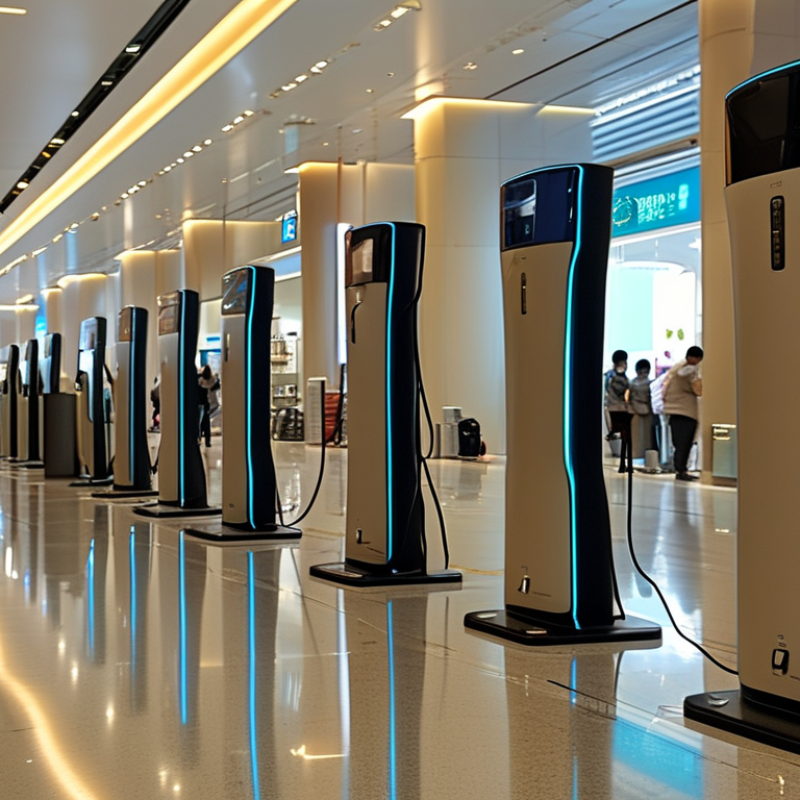
Benefits of Floor Standing Chargers in High-Traffic Areas
Floor standing chargers are becoming essential in high-traffic areas. Their design allows easy access for everyone. These chargers cater to the needs of busy environments like airports, shopping centers, and universities. Users can quickly charge their devices while waiting. This convenience can enhance the overall experience in these spaces.
In places with heavy foot traffic, floor standing chargers meet the demand for power. They often include multiple ports, accommodating various devices at once. This promotes sharing among users, fostering social interactions. However, placement is crucial. Too many chargers in one spot can create congestion. Thoughtful positioning can help maintain smooth foot traffic.
Some challenges remain. Regular maintenance is essential to ensure functionality. Users may encounter broken or dirty chargers. This can diminish the positive impact of having available charging stations. Improving the reliability and cleanliness of these chargers is vital. Addressing these issues can significantly enhance user satisfaction and optimize their utility in public spaces.
Comparison of Floor Standing Chargers Versus Wall-Mounted Options
When considering charging solutions for public spaces, floor standing chargers offer distinct advantages over wall-mounted options. These chargers allow users to stay mobile while charging their devices. Their placement in high-traffic areas ensures that they are visible and accessible. This can encourage more people to utilize them, leading to a higher overall usage rate.
In contrast, wall-mounted chargers can limit accessibility. Many people may not notice them, as they are often placed out of the main flow. Additionally, wall-mounted units may not accommodate multiple users easily, especially in crowded areas. Floor standing chargers are designed to serve a larger audience, with multiple charging ports available. This design is more user-friendly for those on the go.
However, it’s worth noting that floor standing chargers can take up more space. They might obstruct pathways if not carefully placed. Regular maintenance is also necessary to ensure they remain functional and clean. Users may encounter groups gathering around popular stations, which can lead to congestion. These challenges highlight the importance of thoughtful placement and regular assessment to maximize efficiency.
User Engagement Statistics for Floor Standing Chargers in Public Spaces
Floor standing chargers are increasingly becoming indispensable in public spaces. Recent studies show that user engagement is remarkably high when these chargers are available. In busy locations like airports or malls, people often prioritize convenience. A quick charge can significantly influence their decision to stay longer. Many users tend to gravitate towards these charging stations when their devices are low on battery.
Engagement statistics reflect this trend. Surveys indicate that approximately 70% of patrons utilize available charging stations within a busy retailer. The convenience of having a floor standing option encourages social interaction. People tend to gather around these chargers, often sparking conversations. However, some facilities still lack enough outlets. This deficit can lead to frustration among users, demonstrating a need for improvement in planning and infrastructure.
Additionally, feedback from users reveals mixed feelings about charging speeds. While many appreciate the quick service that floor standing chargers provide, others express disappointment with inconsistent performance. Not all chargers deliver the same speed or reliability. This inconsistency can deter some from using them regularly. Addressing these issues requires ongoing collaboration between facility managers and tech providers. Improvements in design and functionality are essential for optimizing user experience.
Why Are Floor Standing Chargers the Best Choice for Public Spaces? - User Engagement Statistics for Floor Standing Chargers in Public Spaces
| Metric |
Value |
| Average Daily Users |
150 |
| Charging Sessions per Day |
400 |
| User Satisfaction Rating (%) |
92% |
| Percentage of Returning Users (%) |
75% |
| Average Charging Time (minutes) |
30 |
| Revenue Generated per Month ($) |
2,500 |
Impact of Accessibility Features on Charging Station Adoption Rates
The increasing need for accessible charging stations is clear in public spaces. Floor standing chargers not only cater to a variety of users but also prioritize extended usability. The design of these chargers often includes features that enhance accessibility, such as adjustable heights and clear signage. This can significantly influence adoption rates, making it easier for all individuals to plug in and power up.
When selecting charging stations for public areas, consider the placement. Stations should be easily reachable for individuals with mobility challenges. Clear visual cues are vital, guiding users to the nearest chargers. It’s important to acknowledge that not all stations are positioned optimally, leading to potential frustration and underuse.
Accessibility features can transform static spaces into inclusive environments. Creating a welcoming atmosphere encourages more people to use these charging stations. Regular feedback from users can help identify areas for improvement. Accessibility should not be an afterthought; it requires ongoing assessment and adaptation to meet community needs effectively.
Why Are Floor Standing Chargers the Best Choice for Public Spaces?
This chart illustrates the adoption rates of floor standing chargers in public spaces based on various accessibility features. Notably, user-friendly design and quick charging capabilities significantly enhance adoption, making these chargers an ideal choice for public infrastructure.
Future Trends in Public Charging Infrastructure Development
Public charging infrastructure is evolving rapidly. The demand for accessible and user-friendly charging solutions is growing. According to a recent report by the International Energy Agency, the global number of public charging points could exceed 10 million by 2025. This shows a clear trend towards increasing accessibility in public areas. Floor standing chargers are especially suited for these environments due to their visibility and ease of use.
One notable trend is the integration of smart technology. Many chargers now offer real-time data on availability and pricing. This information helps users make informed choices, enhancing their experience. Moreover, diverse payment options are becoming a standard feature. Users appreciate the convenience of contactless payments, aligning with the fast-paced lifestyle prevalent in urban areas.
Consider this when installing chargers. Make sure they are positioned in high-traffic locations. Visibility can greatly increase usage rates. Also, think about user feedback. Regularly assessing community needs can lead to better service. Listening to users ensures that the infrastructure evolves as they do. This approach fosters a sustainable charging network that is both effective and appreciated.
Conclusion
Floor standing chargers have emerged as the optimal choice for public spaces, primarily due to their numerous benefits in high-traffic areas. They offer enhanced accessibility compared to wall-mounted options, making them more user-friendly for individuals of all abilities. The presence of these chargers significantly boosts user engagement, as statistics indicate that they attract more users seeking convenience while on the go.
Additionally, the integration of accessibility features plays a crucial role in increasing adoption rates of charging stations in public environments. As cities evolve, future trends in public charging infrastructure development indicate a growing preference for versatile floor standing chargers, underscoring why floor standing chargers are preferred for public spaces. Their ability to cater to diverse needs while facilitating a seamless user experience positions them as an essential element in modern urban settings.

 LA Charger