As electric vehicle adoption rises, understanding why highway charging hubs are essential for long trips becomes increasingly important. According to Dr. Emily Carter, an expert in transportation electrification, “Charging infrastructure isn't just about convenience; it transforms the road trip experience.”
Traveling long distances in an electric vehicle requires careful planning. Highway charging hubs provide the necessary support for long journeys. Without these hubs, travelers can face anxiety regarding battery levels. This concern can detract from the joy of the open road. Each charging station serves as a lifeline, enabling spontaneous detours and exploration.
However, the existing network may not meet the demand. Gaps in coverage can leave drivers stranded. Moreover, not all charging stations are created equal. Quality and speed vary significantly, impacting travel efficiency. This issue calls for continuous improvement and investment in charging infrastructure, ensuring a more seamless travel experience.
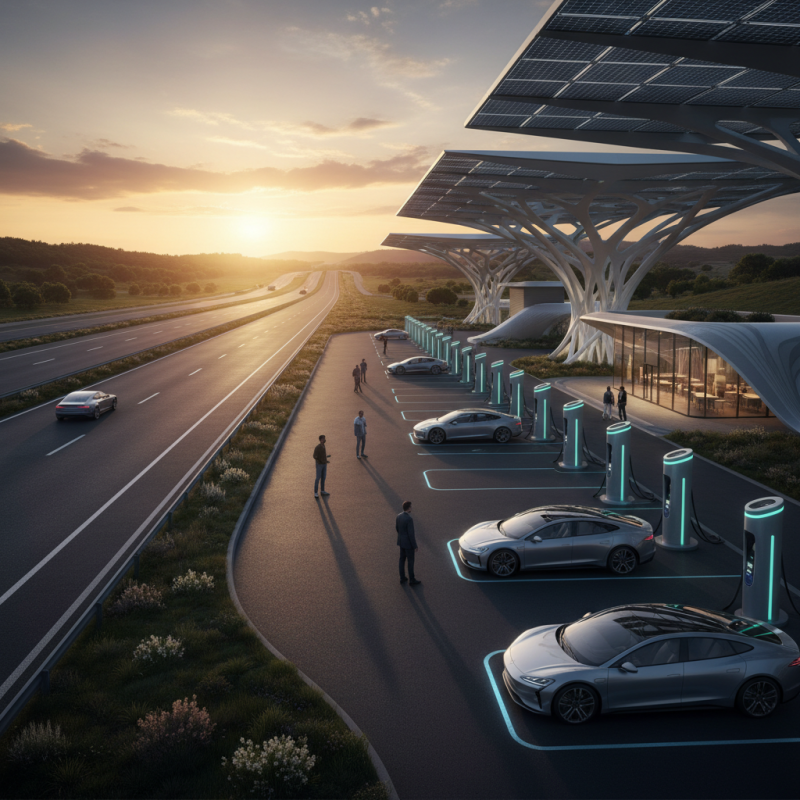
Importance of Highway Charging Hubs for Electric Vehicles
Highway charging hubs play a vital role in the convenience and feasibility of long road trips with electric vehicles (EVs). These hubs serve as strategic points along major travel routes, allowing drivers to recharge their cars efficiently. When planning a trip, knowing these charging stations exist can significantly reduce range anxiety. They enable electric vehicle owners to travel further without the fear of running low on battery power.
The importance of these hubs goes beyond just convenience. They encourage longer road trips and more adventurous travels. High-quality charging infrastructure can help make electric vehicles more appealing to customers. However, not all highway charging hubs are created equal. Some might be poorly maintained or in inconvenient locations. This inconsistency can lead to frustration and wasted time on a road trip, which should ideally be enjoyable.
Additionally, having well-placed charging stations can change travel habits. Families may explore scenic routes that they previously wouldn't have considered. Yet, drivers still face hurdles, like limited charging availability during peak travel times. The challenge lies in improving this infrastructure to meet the growing demands of the electric vehicle market. As adoption rises, enhancing the reliability and accessibility of highway charging hubs becomes crucial for a smooth travel experience.
Key Features of Effective Charging Hubs on Major Highways
Effective charging hubs on major highways play a vital role in long road trips. They must provide sufficient charging infrastructure to accommodate various electric vehicle models. Moreover, they should be strategically located at regular intervals. This ensures drivers can recharge without significant detours or delays. Easy access is also crucial. Clear signage and user-friendly layouts are essential features.
Amenities near charging stations further enhance the experience. Travelers appreciate having food options, restrooms, and Wi-Fi access. These amenities allow for a comfortable break during charging. Some hubs even incorporate picnic areas, making stops more enjoyable. However, it's essential to ensure that these additional features are well-maintained.
Moreover, real-time information on charging availability is invaluable. Drivers should have access to apps or displays that provide live updates. This can prevent frustration and streamline the charging process. Yet, technology is not infallible. Sometimes, machines break down or experience connectivity issues. These challenges highlight the need for ongoing improvements. Effective charging hubs are crucial for a seamless road trip, but there's always room for growth and enhancement.
Impact of Charging Hubs on Long-Distance Travel Planning
Highway charging hubs are becoming essential for long-distance travel. They help drivers plan their trips effectively. With electric vehicles gaining popularity, the availability of charging stations has a significant impact. A well-placed charging hub can reduce range anxiety. Travelers can enjoy a smoother journey when they know where to charge.
Planning a road trip requires understanding charging times and locations. Drivers need to consider their vehicle’s range and the distance between charging stations. Some routes may have fewer charging options, which complicates planning. It's crucial to map out charging stops. Experienced travelers suggest checking real-time availability of charging hubs. This can prevent delays caused by busy stations.
Many travelers find that charging hubs also improve their overall experience. Waiting at a hub can be an opportunity to refresh. Having nearby amenities, like food and restrooms, enhances convenience. However, not all charging hubs offer the same services. Some are more equipped than others, leading to frustration. Reflecting on these experiences is essential for future travels. They help improve planning for long road trips.
Importance of Charging Hubs for Long Road Trips
Charging hubs play a vital role in long-distance travel planning by ensuring the availability of charging stations, enhancing travel time efficiency, reducing cost, and improving driver convenience. Effective charging hub locations significantly impact overall travel experiences, making them essential for electric vehicle users on road trips.
Challenges in Establishing Charging Infrastructure for Road Trips
Establishing a reliable charging infrastructure for electric vehicles on long road trips presents numerous challenges. One major issue is the uneven distribution of charging stations along highways. Many rural areas lack sufficient coverage. This creates anxiety for drivers, as they fear running out of battery power in isolated regions. Adopting different charging standards can complicate matters further. Not all charging units are compatible with every vehicle.
Another challenge is the speed of charging stations. Not all locations offer fast charging, leading to long wait times. Drivers may be forced to stop for hours instead of minutes. Finding a station that meets the required voltage can be confusing. Consistent communication regarding the availability of charging hubs is often lacking. Without proper signage or app support, drivers may struggle to locate functioning chargers.
Weather conditions can also impact charging stations' reliability. Snow, rain, and extreme heat can disrupt power supply. Maintenance is crucial but often neglected, which can result in broken chargers. Increased usage leads to wear and tear. These issues highlight the need for ongoing investment in charging infrastructure. A focus on improvement and understanding the challenges can lead to better experiences for drivers on long journeys.
Future Trends in Highway Charging Hubs and Their Role in Travel
Highway charging hubs are becoming vital for long road trips as the electric vehicle (EV) market continues to expand. According to a recent report from the International Energy Agency, the global EV stock could reach 145 million by 2030. This surge emphasizes the need for reliable and accessible charging infrastructure.
As highway charging hubs evolve, they will likely incorporate advanced technologies such as smart grid connections and fast-charging options. Research indicates that fast chargers can restore 80% of battery capacity in about 30 minutes. This development significantly reduces the downtime for drivers. Moreover, integrating renewable energy sources into these hubs is gaining traction, promising a more sustainable travel experience.
Tips: Plan your charging stops in advance. Use apps to find hub locations and monitor their availability. This strategy prevents frustrating delays. Stay updated on charging technologies. They are rapidly changing and can enhance your travel efficiency. Look into local incentives for using EVs to maximize cost efficiency along your journey.
FAQS
: Effective charging hubs provide sufficient infrastructure and are strategically located for easy access.
Strategic locations prevent significant detours and delays, making recharging more convenient for drivers.
Amenities like food options, restrooms, and Wi-Fi access make charging breaks more enjoyable.
Real-time updates on charging availability help prevent frustration and streamline the recharging process.
Sometimes, machines break down or face connectivity issues, highlighting the need for continuous improvement.
Knowing charging times and locations helps drivers reduce range anxiety and plan better routes.
Some routes lack adequate charging options, complicating planning and increasing travel time.
Waiting can provide an opportunity to refresh, adding convenience to the travel experience.
Not all hubs offer the same services, which can lead to frustration for travelers.
Reflecting on experiences helps improve future travel planning and enhances overall road trip enjoyment.
Conclusion
Highway charging hubs are essential for long trips, providing critical infrastructure that supports the increasing number of electric vehicles (EVs) on the road. These hubs not only facilitate convenient charging options but also enhance the overall travel experience by reducing range anxiety for drivers. Key features of effective charging hubs include quick charging capabilities, strategic placement along major highways, and amenities that cater to travelers, such as rest areas and food services.
However, establishing a robust charging infrastructure presents challenges, including funding, land acquisition, and technological standardization. As the demand for EVs continues to grow, future trends indicate a significant expansion of highway charging hubs, making them a cornerstone for efficient long-distance travel planning. Investing in these hubs will ensure that electric vehicle owners can confidently embark on road trips, ultimately promoting the adoption of sustainable transportation solutions.

 LA Charger