The rise of electric vehicles (EVs) brings new opportunities and challenges for charging infrastructure. In this landscape, Backend Integrated DC Charging stands out as a solution for efficient EV charging. This technology allows for faster energy transfer and streamlined operations, making it vital for the growing number of EVs on the road today.
However, implementing Backend Integrated DC Charging requires careful planning and consideration. Not all locations are suitable, and the capacity of the existing electrical grid can pose limitations. Installing DC charging stations may demand significant upfront investment. Operators must weigh these factors against potential benefits, like reduced charging time and increased user satisfaction.
Moreover, the technology itself is not perfect. Compatibility issues can arise when different EV models are involved. Stakeholders should remain mindful of ongoing developments in this field. With ongoing advancements, the future of Backend Integrated DC Charging can lead to innovative solutions, but challenges remain that need addressing. Users should also be aware of their charging patterns to optimize costs and efficiency.
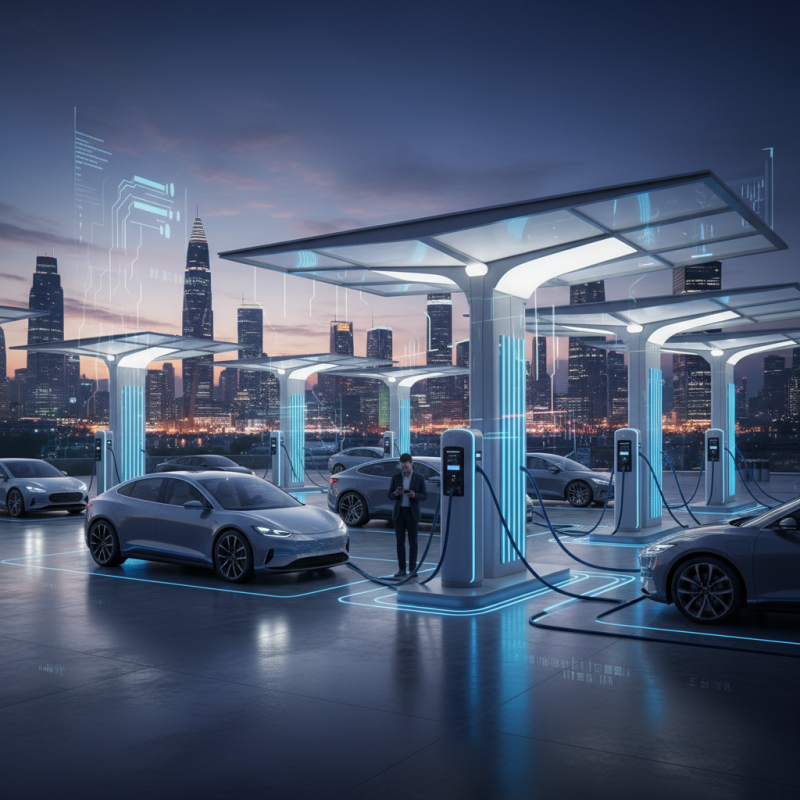
Backend integrated DC charging systems provide a powerful solution for electric vehicle (EV) charging. By connecting directly to the power grid, these systems eliminate the need for a separate AC charging process. This integration allows for faster charging times and more efficient energy usage. The infrastructure can significantly reduce charging costs over time. However, the initial setup can be complex.
Installation requires careful planning and understanding of local energy regulations. Not every site may be suitable without upgrades. It’s crucial to assess the location's electrical capacity. Some installations may face unexpected delays or complications. Regular maintenance is essential to avoid downtime. Using real-time monitoring can help identify issues early. This proactive approach serves as a safeguard against costly repairs.
Moreover, user education is vital. Proper usage ensures optimal performance. EV owners should be aware of energy management practices. Simple actions can improve the system's efficiency. Community engagement with local energy providers can also foster a better understanding. Going forward, addressing these aspects will lead to a smoother charging experience.
The infrastructure for electric vehicle (EV) charging is vital for the rapid adoption of EVs. A well-designed backend integrated DC charging system can significantly enhance charging efficiency. According to a 2022 report from the International Energy Agency, the number of public charging points should reach 10 million by 2030 to meet EV demand. This highlights the urgency to optimize infrastructure.
Key components include charging stations, power distribution, and network management. Charging stations must be strategically located to minimize wait times. A study from the U.S. Department of Energy showed that 90% of EV owners charge at home. However, public access is crucial. Efficiency can drop if stations are too far apart or poorly maintained.
Tips for enhancing efficiency: monitor station uptime. Real-time data can pinpoint issues. Regular software updates and maintenance checks are essential. Another tip is to implement smart charging technology. This allows better load management. It can reduce peak demand charges.
As the network expands, responsiveness to user needs is crucial. A flexible approach can boost satisfaction. Continuous feedback from users can reveal areas needing improvement. EV charging is still evolving, and learning from missteps is part of the journey.
Optimizing DC charging efficiency is crucial for enhancing electric vehicle (EV) infrastructure. Data shows that efficient charging solutions can increase the energy transfer rate by up to 25%. This means shorter wait times for users and better utilization of charging stations.
One effective strategy is to manage peak demand. Peak demand can lead to high energy costs and lower system efficiency. By staggering charging times or using smart grid technology, operators can minimize demand during peak hours. This approach can lead to better energy resourcing and thus optimize charging sessions.
Tips: Integrate real-time monitoring systems to track charging patterns. This can help in adjusting power output dynamically based on current demand. Also, consider implementing software that predicts busy hours, allowing facilities to prepare accordingly. Training staff to recognize inefficiencies and continuously gather data can highlight areas for improvement. Remember, even small adjustments can lead to significant gains in overall performance.
Managing an electric vehicle (EV) fleet requires smart charging solutions. These solutions help optimize energy use and reduce costs. A well-planned charging strategy is essential for efficiency and sustainability.
One tip is to analyze your fleet's charging patterns. Track when vehicles are used most and plan charging sessions during off-peak hours. This approach can lower energy costs. Additionally, consider using smart chargers that adjust their output based on grid demand. Some charging stations have features that enable real-time monitoring. This data allows for informed decisions.
Another important aspect is establishing a centralized management system. This system can oversee charging schedules, vehicle status, and energy consumption. Real-time alerts are useful for maintenance needs. If a charger malfunctions, timely repairs can prevent disruptions. Be prepared for occasional technical issues, as they can arise unexpectedly. Regularly review and update your charging plans. Keeping your strategies sharp will enhance fleet performance.
The demand for electric vehicles (EVs) is skyrocketing.
As per the International Energy Agency (IEA), global EV sales hit a record of 6.6 million units in 2021. This trend drives the need for efficient backend integrated DC charging technologies. These systems minimize energy losses and improve charging speed. However, the transition to these advanced solutions presents notable challenges.
Tip: Monitor your charging infrastructure’s performance regularly. This can identify areas needing enhancement.
Future trends show that AI and machine learning will optimize charging efficiency. These technologies can analyze data in real-time, allowing for smarter energy distribution. Additionally, energy storage systems will become more prevalent. They provide backup power, reducing pressure on the grid during peak hours. Yet, integrating these innovations can be costly and complex, requiring careful consideration.
Tip: Regularly update software systems in your charging stations. This can prevent potential downtime issues.
Another crucial trend is the push for renewable energy integration. A report from BloombergNEF suggests that by 2040, up to 50% of charging will come from solar and wind sources. While promising, this transition depends on better backend systems to handle variable energy sources. Careful planning and investment will be essential.
: They connect directly to the power grid. This eliminates the need for separate AC charging.
They offer faster charging and more efficient energy usage. Long-term, they can reduce overall charging costs.
Assess local energy regulations and site suitability. Unexpected delays may occur during setup.
Regular maintenance is crucial. It helps avoid downtime and can save money on costly repairs.
Proper energy management practices are key. Simple actions can improve overall system efficiency.
Smart charging optimizes energy use and reduces costs. Analyzing charging patterns can enhance efficiency.
AI and machine learning will improve charging efficiency. Energy storage systems will also gain importance.
Up to 50% of charging may come from renewables by 2040. This requires robust backend systems for management.
Regularly review and update their charging strategies. This keeps plans effective and responsive to changes.
Transitioning to these solutions can be complex and costly. It's important to plan carefully.
The article on "Backend Integrated DC Charging Tips for Efficient EV Charging" provides a comprehensive overview of the essential aspects of modern EV charging infrastructure. It begins by elucidating the basics of Backend Integrated DC Charging systems, highlighting their significance in enhancing charging speeds and efficiency. The key components of such systems are discussed, emphasizing the need for robust hardware and software integration to support optimal performance.
Furthermore, the article outlines effective strategies for maximizing DC charging efficiency, including load management and energy distribution techniques. It also explores the implementation of smart charging solutions for fleet management, showcasing how real-time data and connectivity can improve operational efficiency. Finally, it looks ahead to future trends in Backend Integrated DC Charging technologies, predicting advancements that will further streamline the charging process and promote the widespread adoption of electric vehicles.

LA Charger