In today's rapidly evolving electric vehicle (EV) market, the importance of reliable charging infrastructure cannot be overstated. An estimated 70% of EV owners prefer using fast charging stations, highlighting the need for effective management of these services. Particularly, floor standing DC chargers play a crucial role in this ecosystem. However, knowing how to maintain a floor standing DC charger effectively is vital to ensuring optimal performance and longevity.
Regular maintenance is essential to prevent downtime. A recent report by the International Energy Agency (IEA) indicates that well-maintained chargers can reduce operational costs by up to 30%. Simple tasks like checking cable integrity and software updates can significantly enhance the user experience. Yet, it is not uncommon for operators to overlook these aspects, leading to inefficient charging stations and frustrated customers.
Moreover, understanding best practices in maintenance can foster reliability. For instance, scheduling routine inspections every three months can identify potential issues before they escalate. The correlation between maintenance and charger uptime is undeniable. Continuous learning and adaptation can make a substantial difference in the operational success of floor standing DC chargers.
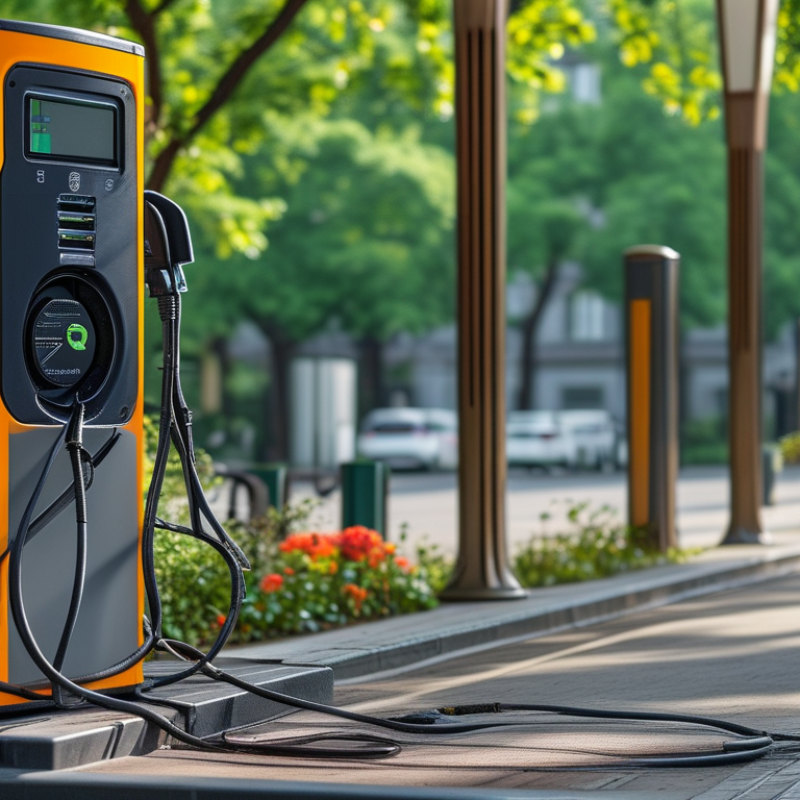
Floor standing DC chargers are essential for electric vehicle infrastructure. Understanding their components is crucial for maintenance and efficiency. These chargers typically consist of power conversion units, control systems, and charging interfaces. The power conversion unit transforms AC electricity to DC, which is necessary for fast charging. This unit requires regular checks to ensure it operates at optimal efficiency. Over time, dust accumulation can hinder its performance.
The control system manages the charging process. It monitors battery health and ensures safe charging. Regular updates and software checks can prevent potential issues. Monitoring this system may seem tedious, but neglecting it can lead to significant problems. Additionally, the charging interface must be inspected for wear and tear. Cables can become frayed, and connectors can corrode. Addressing these issues early prevents downtime and costly repairs.
Routine maintenance is not just a best practice; it can be a challenge. Technicians need to stay informed about the latest technologies. Sometimes, they find outdated components that require replacement. Understanding the components helps technicians provide better service. However, the landscape of electric vehicle technology is constantly evolving. Keeping up with advancements can be daunting, but it is essential for effective maintenance.
To maintain a floor standing DC charger effectively, regular cleaning and maintenance are crucial. Dust and debris can accumulate on the charger, potentially leading to overheating and operational failures. According to a report by the International Electrotechnical Commission, more than 30% of charger issues stem from neglecting routine maintenance. Simple cleaning procedures can reduce these risks significantly.
Cleaning the charger requires a microfiber cloth and a gentle cleaning solution. Make sure to turn off the charger before cleaning. Inspect the plug and cables for wear or damage. Regularly check for loose connections. Industry guidelines recommend performing these checks weekly. This small effort helps in prolonging the life of the charger and maintaining safety standards.
Monitor the charger’s performance regularly. Look out for unusual sounds or errors. If the charger shows signs of malfunction, consult a professional. Ignoring these signs could escalate minor issues into major problems. Regular maintenance not only ensures operational efficiency but also enhances user safety.
| Maintenance Activity | Frequency | Description |
|---|---|---|
| Visual Inspection | Weekly | Check for any physical damage, loose connections, or signs of wear. |
| Cleaning Exterior | Monthly | Wipe surfaces with a soft, damp cloth and mild detergent to remove dust and grime. |
| Check Cable Integrity | Monthly | Inspect charging cables for fraying or damage and ensure all connectors are secure. |
| Software Updates | Quarterly | Check for and apply any firmware updates to ensure optimal performance. |
| Cooling System Maintenance | Biannually | Clean air vents and check the cooling system to prevent overheating. |
| Performance Calibration | Annually | Ensure the charger is delivering the correct voltage and current to the vehicle. |
Regular monitoring and testing of a floor standing DC charger’s performance is crucial for optimal operation. Research indicates that regular maintenance can enhance charger efficiency by up to 30%. Gathering data on charging cycles, voltage, and amperage helps identify potential issues before they escalate. Implementing scheduled tests ensures adherence to safety standards and prolongs equipment life.
For effective monitoring, use advanced diagnostic tools. Analyzing charging patterns helps identify inefficiencies. Unusual spikes in energy consumption may indicate wear in components. Data from the International Energy Agency highlights that outdated chargers can increase energy costs significantly.
Incorporating visual inspections is essential. Look for wear on cables and connectors, which can affect performance. Small signs of damage might lead to major failures. Setting reminders for routine checks can enhance reliability.
Remember that documentation is key. Keep records of all tests and inspections. This practice builds a useful reference for future maintenance. Regular assessment not only ensures safety but also supports sustainable operation.
When operating and maintaining floor standing DC chargers, safety should always be the top priority. Industry reports indicate that improper handling can lead to significant hazards. According to the International Electrotechnical Commission, nearly 30% of electrical accidents occur due to insufficient safety measures during charger operation. Always wear appropriate personal protective equipment (PPE), such as gloves and goggles, to minimize risks.
Regular inspections are crucial. Look for signs of wear and tear on cables and connectors, as these can pose serious dangers. Data from the National Fire Protection Association shows that 40% of fire-related incidents in electric vehicle charging stations arise from faulty equipment. Conduct routine checks at least once a month, focusing on insulation integrity and connection stability.
Be vigilant about voltage levels. Voltage fluctuations can damage both the charger and the vehicle. The National Electrical Code suggests monitoring voltage to ensure it remains within safe limits. Documenting these readings can help identify patterns and potential failures. While it’s essential to follow guidelines, recognizing that maintenance practices can have flaws is crucial. Stay informed and adaptable; learning from past experiences can lead to better safety outcomes.
Maintaining a floor standing DC charger requires regular attention to prevent common issues. One frequent problem is a faulty connection. Over time, connectors can wear down or become dirty, likely leading to inconsistent charging. Regularly inspect connections for damage or debris. Cleaning them with a soft cloth can improve functionality.
Software glitches can also cause operational failures. If the charger does not start, try rebooting the system. Updating firmware may resolve many issues. Check the manufacturer’s guidance on obtaining the latest software updates.
Temperature plays a crucial role in the performance of these chargers. Extreme heat or cold can affect charging efficiency. Ensure the charger is in a well-ventilated area, away from direct sunlight or frost. Regularly monitoring the operational environment helps maintain optimal conditions. If issues persist, consulting a professional may be necessary.
: Regular cleaning is recommended weekly to avoid overheating and operational failures.
Use a microfiber cloth and a gentle cleaning solution.
Always turn off the charger before starting the cleaning process.
Wear appropriate personal protective equipment, like gloves and goggles, during operation.
Look for unusual sounds, error messages, or improper charging performance.
Inspect cables and connectors for wear and tear at least once a month.
Try rebooting the system or updating the firmware to resolve glitches.
Extreme heat or cold can reduce charging efficiency; keep it in a controlled environment.
Always document voltage levels and stay adaptable to learn from past maintenance experiences.
If issues persist after troubleshooting, a professional can help identify and fix deeper problems.
To effectively understand how to maintain a floor standing DC charger, it is essential to familiarize oneself with its key components. Regular cleaning and maintenance procedures, such as dusting and checking connections, are vital for ensuring optimal performance. Monitoring and testing charger performance using best practices can help identify potential issues before they escalate.
Moreover, safety precautions must be followed during operation and maintenance to prevent accidents. Being equipped with troubleshooting techniques for common problems can significantly enhance the overall efficiency and longevity of the charger. By implementing these strategies, users can ensure their floor standing DC chargers remain reliable and functional over time.

LA Charger