Maintaining a floor standing DC charger is essential for optimal performance. Many users overlook the need for regular upkeep, leading to potential issues. Understanding how to maintain a floor standing DC charger can increase its lifespan and efficiency.
Routine checks are vital. Inspecting connections, cleaning the exterior, and ensuring proper ventilation can prevent costly repairs. It's easy to forget these tasks amidst a busy schedule, but neglecting them may lead to equipment failure.
Documentation is key. Keep track of maintenance logs and any repairs made. This not only helps in troubleshooting but also boosts reliability. Engaging with knowledgeable experts can offer insights. Reflecting on past maintenance challenges promotes better practices.
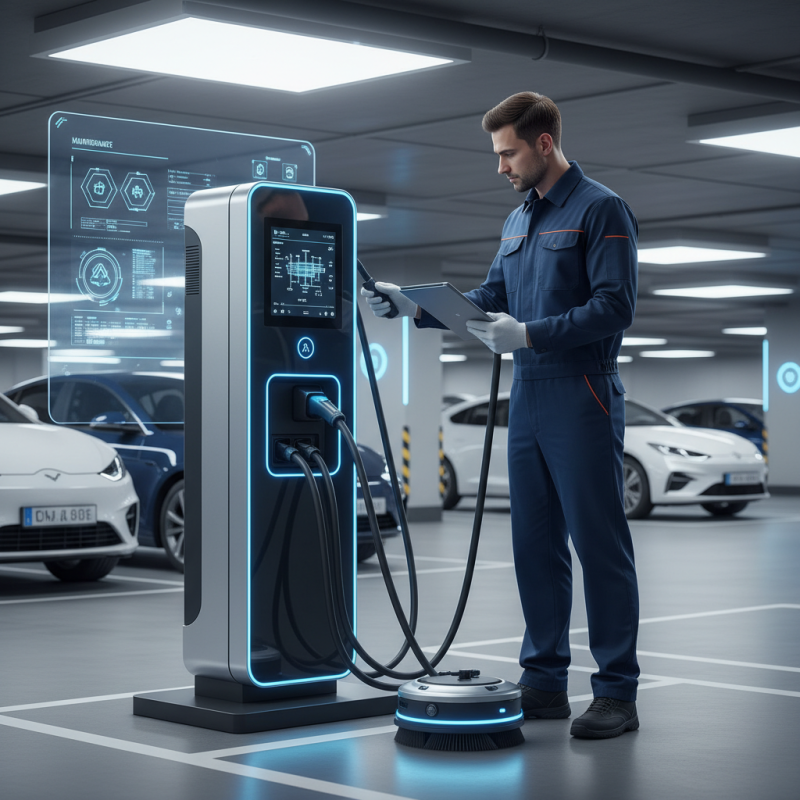
Understanding the Components of a Floor Standing DC Charger
A floor standing DC charger comprises various key components that work together to provide efficient charging. The power module is crucial for converting alternating current (AC) to direct current (DC). It ensures optimal energy transfer. Cooling systems play a significant role, too. They prevent overheating, which can lead to inefficiencies or even failures.
Regular maintenance is essential to keep the charger in top condition. Inspect the cables and connectors periodically. Look for signs of wear or corrosion, as these can lead to poor charging performance. Cleaning the charger’s exterior and internal components helps prevent dust buildup and keeps it functioning smoothly.
Tips: Ensure you conduct routine checks. This can catch small issues before they escalate into larger problems. Document all maintenance activities for reference. This record can identify trends in performance and might highlight areas needing improvement. Also, be mindful of environmental factors. Excess humidity or extreme temperatures can affect charger reliability. Test different locations if possible.
Regular cleaning and maintenance are crucial for the longevity of a floor standing DC charger. Dust and debris can accumulate over time, affecting performance. Aim to clean the unit once a month. Use a soft cloth and non-abrasive cleaner to wipe the exterior. Pay special attention to vents and connectors. Keeping these areas clear ensures efficient cooling and optimal energy transfer.
Inspect the charger periodically for signs of wear or damage. Look for frayed cables or loose connections. Any issues can lead to safety risks or potential failures. Document any findings. Systematic record-keeping helps spot patterns or recurring problems. It might feel tedious, but this reflects responsible maintenance.
Also, consider the charger’s operating environment. If it’s exposed to extreme temperatures or moisture, additional care might be necessary. Perhaps the charger needs a protective cover or relocation. Adaptability to the environment can enhance reliability. Remember, neglecting these aspects today may lead to bigger issues tomorrow. Reflect on how thoroughness in maintenance can prevent future headaches.
| Maintenance Task | Frequency | Description | Tools Required |
|---|---|---|---|
| Visual Inspection | Weekly | Check for any visible damage, loose connections, or signs of wear. | None |
| Cleaning | Monthly | Dust off the unit and clean the connectors with an appropriate cleaner. | Soft cloth, cleaning solution |
| Firmware Update | Quarterly | Check for and install the latest firmware updates to enhance performance and security. | Computer, internet connection |
| Connector Inspection | Bi-Annually | Inspect connectors for corrosion or wear and ensure they are functioning properly. | Inspection tools |
| Electrical System Check | Annually | Evaluate the electrical system to ensure optimal performance and safety measures. | Multimeter, safety gear |
Regular monitoring is crucial for maintaining a floor-standing DC charger effectively. Keeping track of charging performance ensures high efficiency and safety. Industry reports indicate that optimal performance can increase charging efficiency by up to 20%. Efficient chargers not only save energy but also reduce operational costs significantly.
Data analytics can reveal patterns in charging cycles. This information can help identify when performance dips and can guide adjustments. For example, if a charger consistently shows a longer charging time, it may be time for maintenance. Monitoring tools can automate this process and provide real-time insights.
Maintaining a floor-standing DC charger requires careful attention to common issues. Regular checks can prevent significant downtime and repair costs. Research indicates that about 30% of charging stations experience failures due to improper maintenance.
One issue might be connectivity errors. These can occur if the cables are damaged or connections are loose. Regularly inspect the cables for wear and ensure that all connections are secure. If a charger fails to connect, try resetting the unit or checking the power source.
Another concern is overheating. Prolonged use without proper ventilation can lead to performance drops. Ensure that the charger is in a well-ventilated area. Consider a thermal monitoring system to detect issues early. If your unit heats up too quickly, it may indicate an underlying electrical problem.
**Tips:** Schedule routine inspections, ideally every three months. Document any issues for future reference. Use a moisture meter to check humidity levels around the charger. This data can help identify potential risks before they escalate.
When it comes to maintaining floor standing DC chargers, safety and compliance are paramount. Ensuring that these chargers meet relevant standards can prevent accidents and prolong their lifespan. Installation should always be conducted by trained professionals. This minimizes risks related to improper handling.
Regular inspections are crucial. Check cables and connectors for signs of wear or damage. Look for any leaks or unusual noises during operation. Addressing problems early can help avoid major failures later. Compliance with local regulations is necessary for safe operation. It might feel overwhelming, but striving for this can ensure a safer environment for users.
Documentation is key. Keep records of all maintenance and compliance checks. This not only helps in maintaining safety standards but also demonstrates your commitment to reliability. Without proper records, oversight can occur, leading to potential issues. Reflect on past inspections and how to improve future practices. Each step taken towards compliance is a step toward ensuring safe and efficient charging stations.
: Clean it once a month. Regular cleaning prevents dust from affecting performance.
Use a soft cloth and non-abrasive cleaner. Focus on vents and connectors.
Check for frayed cables or loose connections. Document any signs of wear or damage.
It helps identify patterns in issues. This practice reflects responsible maintenance.
Consider using a protective cover or relocating the unit. Adaptability can improve reliability.
If the unit heats up too quickly, it may indicate an electrical problem.
Check for damaged cables or loose connections. Reset the unit if it fails to connect.
Schedule inspections ideally every three months. Regular checks can prevent larger issues.
Use a moisture meter to monitor humidity levels. This can identify potential risks early.
Yes, neglecting maintenance can lead to bigger issues. Reflect on the value of thorough upkeep.
To effectively learn how to maintain a floor standing DC charger, one must first understand its essential components, which play a crucial role in its operation and longevity. Regular cleaning and maintenance procedures, such as dusting and checking connections, help prevent operational issues and enhance performance. Monitoring and managing charging performance ensures efficiency, allowing users to maximize the charger's capabilities.
Additionally, being aware of common issues and troubleshooting tips is vital for prompt resolution of any problems that may arise. Lastly, ensuring safety and compliance standards not only protects the equipment but also guarantees the safety of users. By following these guidelines, one can significantly extend the service life of a floor standing DC charger while keeping it functioning optimally.
LA Charger