In the rapidly evolving landscape of transportation, fleet operators face unique challenges. As electric vehicles (EVs) gain popularity, understanding why portable DC chargers are useful for fleet operators has become crucial. A recent report from the International Council on Clean Transportation noted that EV adoption in fleet management could reduce greenhouse gas emissions by up to 65%. This shift is not just beneficial for the environment; it also impacts operational efficiency.
Experts like Dr. Emily Carter, a leading figure in fleet technology, emphasize, “Portable DC chargers empower fleet operators to maintain continuous operations and flexibility.” These chargers provide the ability to manage charging during downtime breaks. This flexibility is essential in ensuring that fleets can meet increasing customer demands without long delays. However, the transition to EVs and the integration of portable chargers present challenges. Operators must consider logistics, infrastructure, and initial investment costs, which may require reflection and adjustment.
Embracing portable DC charging technology could be the solution many fleet operators need. Yet, the effectiveness of this transition relies heavily on careful planning and execution. The ability to power up multiple vehicles quickly can define a fleet's reliability and service quality, signaling a pivotal moment in fleet operations.
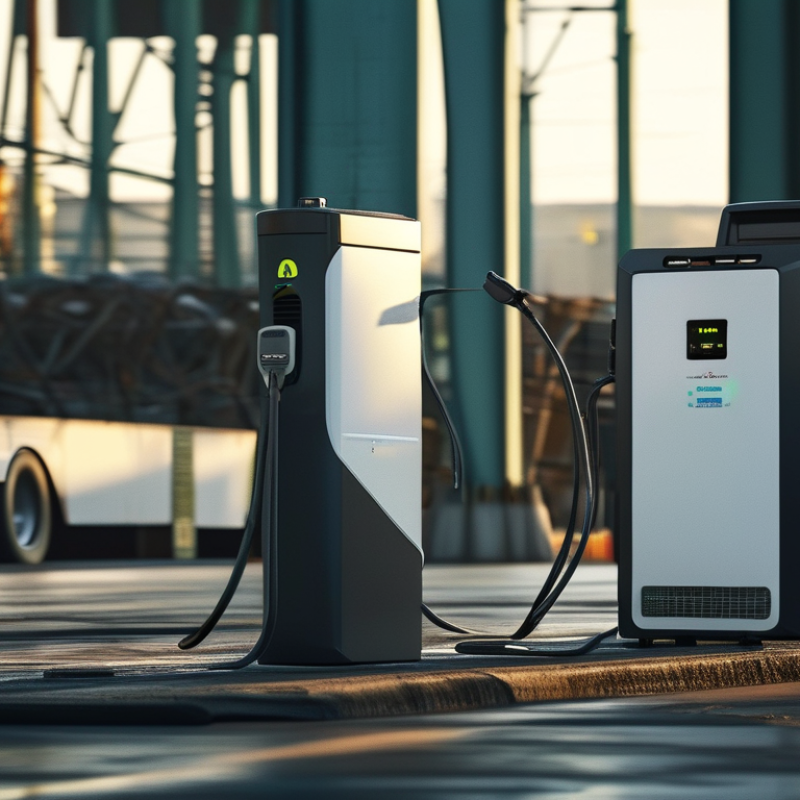
In recent years, the demand for portable DC chargers in fleet operations has surged. Fleet managers face the challenge of keeping vehicles charged and operational. Traditional charging stations may not always be available at every location. This is where portable DC chargers come into play. They provide flexibility and ensure that vehicles remain powered throughout extensive routes.
The growing need for these chargers stems from the increasing number of electric vehicles (EVs) in fleets. With EV adoption on the rise, fleet operators must adapt. Portable chargers allow for on-the-go solutions. They can recharge vehicles during breaks or while parked at a job site. However, not all portable chargers are created equal. Fleet managers must consider reliability and charging speed. A poorly chosen charger might lead to delays and operational setbacks.
Consider the scenario where a fleet vehicle runs low on battery during a critical delivery. Accessing a reliable portable DC charger could mean the difference between meeting a deadline or disappointing a customer. Therefore, investing in quality portable chargers is not just beneficial; it is essential. As the fleet landscape evolves, the importance of portable charging solutions cannot be overstated.
| Dimension | Importance | Impact on Operations | Cost Savings |
|---|---|---|---|
| Charging Speed | Ensures quick turnaround times | Reduced downtime for vehicles | Lower operational costs due to efficiency |
| Portability | Easily deployable across locations | Flexibility to charge on-site | Reduced costs for stationary charging installations |
| Multi-vehicle Compatibility | Supports various electric vehicle types | Optimizes fleet operations | Minimizes need for multiple chargers |
| Battery Management | Monitors battery health and charging | Enhances vehicle performance | Extends battery lifespan, reducing replacements |
| Grid Independence | Operates without fixed infrastructure | Increases serviceability in remote areas | Potential savings on grid power |
: They offer flexibility and ensure vehicles remain charged during extensive routes, especially when traditional stations are unavailable.
A reliable portable DC charger can prevent delays, helping ensure timely deliveries and customer satisfaction.
Reliability and charging speed are crucial. A poor choice may lead to operational setbacks and inefficiencies.
There is a shift toward faster charging technologies, with current chargers delivering up to 300 kW for rapid charging.
These chargers can recharge a vehicle up to 80% in about 30 minutes, reducing downtime significantly.
Ensuring effective communication between chargers and vehicles is essential for optimal performance and coordination.
Companies are investigating solar-powered solutions to promote sustainable charging, but scalability can be a challenge.
The initial investment can be daunting, making cost-efficiency a critical consideration for future growth.
As electric vehicle adoption grows, fleet operators must adapt to ensure consistent charging solutions on the go.
It could result in missed deadlines and disappointed customers, emphasizing the necessity of quality portable chargers.
The increasing adoption of electric vehicles in fleet operations has heightened the need for efficient charging solutions, leading to a focus on why portable DC chargers are useful for fleet operators. These chargers offer numerous advantages, such as rapid charging capabilities and flexibility in charging locations, which can significantly reduce downtime for fleet vehicles. Key features like compact design, compatibility with various vehicle models, and robust safety measures make portable DC chargers particularly beneficial for fleet management.
However, fleet operators face challenges without portable DC chargers, including increased operational costs and logistical complexities. As the industry evolves, future trends in portable DC charging technology promise advancements that will further enhance fleet efficiency and sustainability. Embracing these innovations will be crucial for fleet operators looking to optimize their operations and adapt to the growing demand for electric mobility solutions.

 LA Charger