What Safety Features Should DC Chargers Have in 2026?

Time:2026-05-09 Author:Mason
0%

As electric vehicles continue to gain popularity, the importance of safe charging solutions is paramount. In this context, one crucial question emerges: what safety features should DC chargers have? Ensuring the safety of both the charger and the vehicle is essential for users. Enhanced safety features can prevent accidents, protect infrastructure, and promote user confidence.

In 2026, the landscape of DC charging will likely evolve. There will be an increased demand for chargers equipped with advanced protective mechanisms. Features like real-time monitoring, surge protection, and user alerts must be prioritized. Safety isn't just about compliance; it's about building trust in an expanding market.

Challenges may arise as manufacturers strive to balance safety with efficiency. While innovation is key, overlooking safety can lead to serious consequences. Thus, it is essential for stakeholders to reflect on what safety features should DC chargers have. Only through this rigorous examination can we ensure a safer and more reliable charging experience for all users.
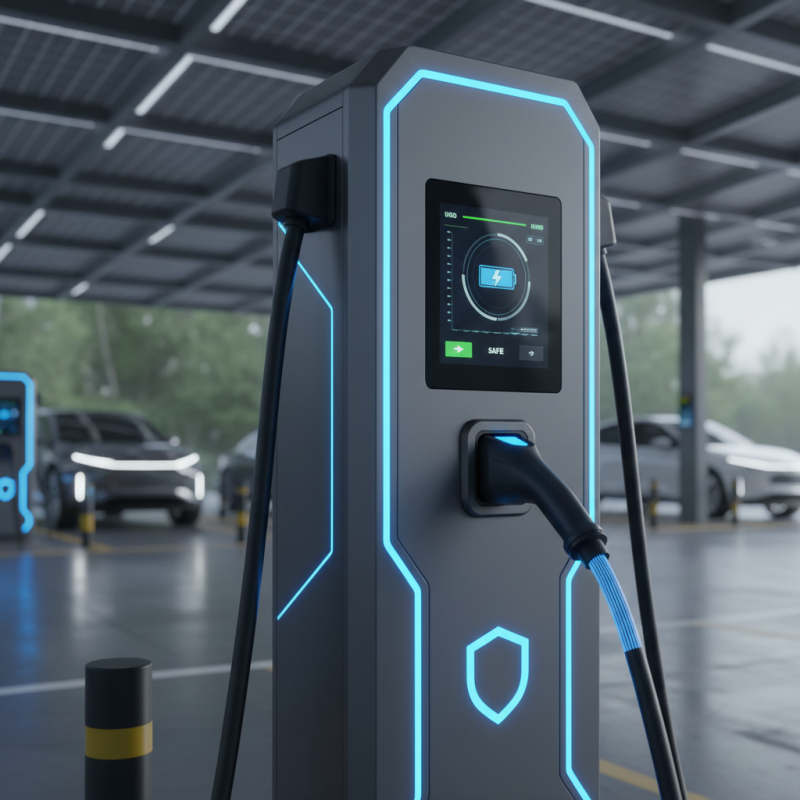
What Safety Features Should DC Chargers Have in 2026?

Essential Safety Standards for DC Chargers in 2026

As the electric vehicle market expands, the importance of safety features in DC chargers will become paramount by 2026. A robust charging system must incorporate essential safety standards that address the unique challenges posed by high-power charging. Protection against electrical faults is critical. Smart safety mechanisms should detect short circuits and automatically shut down the system to prevent accidents.

User interfaces should provide clear instructions and error alerts. Simple notifications can help users understand what actions to take if issues arise. Adequate ventilation systems are necessary for preventing overheating. They should dissipate heat effectively during operation to maintain safety.

Tips: Always inspect charging equipment before use. Ensure there are no visible damages. The charging area should be well-lit and free of obstacles. Conduct regular training for users to promote safe practices. Encourage the adoption of surge protection to safeguard both the charger and the vehicle.

Key Emergency Disconnect Mechanisms for DC Charging Stations

As the electric vehicle market evolves, safety features for DC chargers become crucial. The design of these charging stations must prioritize emergency disconnect mechanisms. Such mechanisms allow users to quickly halt the charging process in emergencies. For instance, a clearly marked emergency stop button should be easily accessible to minimize risks.

Another essential feature is automatic disconnection during faults. This ensures that any electrical issues can be handled safely. Advanced sensors can detect irregularities in voltage or current. These sensors will trigger a shutdown to prevent accidents. Enhancing user experience is not just about convenience; it’s about ensuring safety at all stages.

Not all installations optimize safety measures. Some stations might lack adequate signage or functional emergency features. Regular audits and user feedback can help identify these shortcomings. Reflecting on current practices will drive improvements. By focusing on safety, the industry can build trust and reliability in DC charging stations.

Overcurrent and Overvoltage Protection Features Required

As electric vehicles (EVs) gain popularity, the need for robust safety features in DC chargers becomes paramount. Overcurrent and overvoltage protection are critical aspects. According to a report from the International Electrotechnical Commission (IEC), improper voltage levels can lead to severe system failures. For instance, overvoltage incidents can cause equipment damage and safety hazards. In fact, overvoltage events contribute to an estimated 30% of electrical failures in charging stations.

Overcurrent protection is equally crucial. It prevents excessive current from flowing through the system. This can prevent overheating and potential fires. The National Fire Protection Association (NFPA) highlighted that inadequate overcurrent protection accounted for 15% of fire incidents linked to EV charging. Therefore, integrating precise sensors and reliable circuit breakers can mitigate risks significantly.

However, achieving perfection in these safety features is an ongoing challenge. There are variations in standards across different regions. Some regulatory bodies have strict requirements, while others lag behind. This discrepancy can cause confusion for manufacturers and consumers alike. Systematic testing and certification are necessary but not always implemented consistently. Addressing these gaps will enhance the safety and reliability of DC chargers in the future.

Safety Features of DC Chargers in 2026

User-Friendly Interfaces for Safe Operation of DC Chargers

As we look towards 2026, user-friendly interfaces for DC chargers are becoming increasingly vital. Data from industry reports indicate that over 70% of users prefer simple, intuitive designs. This preference is essential for enhancing safety and efficiency during EV charging. A well-designed interface minimizes user errors, which can lead to accidents or vehicle damages.

When developing these interfaces, feedback from users is crucial. A recent survey showed that 65% of EV owners encountered difficulties using current charging stations. This highlights a significant gap in user interaction design. Features such as touchscreen displays should be clear and provide step-by-step guidance. Voice prompts can further streamline user experience, allowing hands-free operation.

Moreover, accessibility must be prioritized. Reports reveal that 15% of the population has some form of disability, making it essential to ensure that interfaces cater to all users. Color-contrast issues, font size, and haptic feedback can greatly enhance usability. Addressing these concerns is not only a design challenge but a responsibility to create an inclusive environment for all EV owners.

Robust Environmental Protection Measures for DC Charging Units

The future of DC chargers in 2026 will heavily rely on robust environmental protection measures. As electric vehicle adoption rises, the industry faces increasing scrutiny about sustainability. Reports suggest that by 2025, over 25 million electric vehicles will be on the road, demanding reliable and eco-friendly charging solutions. Therefore, integrating advanced protection technologies becomes critical.

One vital aspect is the use of durable, weather-resistant materials in charger construction. A study from the International Electrotechnical Commission indicates that weather-related failures account for nearly 30% of charger downtime. Enhanced sealing and corrosion-resistant components are essential to combat rain, dust, and extreme temperatures. These measures will not only extend the lifespan of chargers but also ensure consistent performance in all conditions.

Moreover, protecting the environment calls for sustainable practices during manufacturing. The Global Electric Vehicle Initiative emphasizes that adopting eco-friendly materials can significantly reduce the carbon footprint of charging units by up to 40%. However, the industry often overlooks these aspects in favor of cost-saving measures. Balancing affordability with environmental responsibility remains a critical challenge. Without a conscious effort, future DC chargers may fall short in meeting both user needs and ecological standards.

FAQS

: Why is overcurrent protection important for DC chargers?

: Overcurrent protection prevents excessive current, reducing the risk of overheating and potential fires.

What are the consequences of overvoltage in charging stations?

Overvoltage can damage equipment and create safety hazards, contributing to around 30% of electrical failures.

How do user interfaces impact safety during EV charging?

User-friendly interfaces reduce errors, helping to prevent accidents and vehicle damage during the charging process.

What challenges do current charging station interfaces present?

Many users report difficulties, indicating a need for improvement in design and user interaction clarity.

How can accessibility be improved for charging station interfaces?

Increasing font size, ensuring color contrast, and adding haptic feedback can enhance usability for people with disabilities.

Why are robust environmental protection measures necessary for DC chargers?

Weather-related failures can account for 30% of charger downtime; better materials improve performance and durability.

How does manufacturing impact the sustainability of charging units?

Eco-friendly manufacturing practices can significantly cut the carbon footprint, but cost-saving measures often take precedence.

What percentages of users prefer simpler designs for charging interfaces?

Over 70% of users favor simple, intuitive designs, emphasizing the importance of effective user experience.

What are some ongoing challenges in achieving perfect safety features?

Discrepancies in regional standards and inconsistent testing practices complicate the implementation of safety measures.

What is a key environmental concern regarding future DC chargers?

Balancing the need for affordability with environmental responsibility is essential for sustainable charger development.

Conclusion

As the demand for electric vehicles continues to rise, understanding what safety features DC chargers should have by 2026 becomes increasingly crucial. Essential safety standards must be established to ensure the reliable and secure operation of these charging units. Key features include emergency disconnect mechanisms that allow for quick disconnection in case of faults, overcurrent and overvoltage protection to safeguard both the charger and the vehicle, and user-friendly interfaces that enhance safe operation for all users, including those unfamiliar with electric charging technology.

Additionally, robust environmental protection measures are necessary to ensure the durability and safety of DC charging units in various conditions. These comprehensive safety features collectively aim to enhance the operational safety of DC chargers, ultimately contributing to a safer electric vehicle charging infrastructure for the future.

Mason

Mason

Mason is a seasoned marketing professional with a deep expertise in the company's offerings and a passion for driving brand awareness. With a strong background in digital marketing strategies, he has an innate ability to connect with diverse audiences and effectively communicate product benefits.......