Choosing the right portable DC charger can be daunting. With so many options available, it’s easy to feel lost. Experts suggest that you focus on essential features. David Lang, a prominent tech reviewer, once stated, "A reliable portable DC charger can be your lifeline in emergencies." His insight highlights a crucial aspect of decision-making in this industry.
Understanding how to choose the right portable DC charger involves evaluating your specific needs. Do you need quick charging or prolonged battery life? Consider the devices you'll be charging and their power requirements. Battery capacity, size, and weight also play significant roles in usability. It's imperative to compare different models and read user reviews before making a choice.
Many buyers overlook compatibility. An ideal charger should work seamlessly with various devices. Think about your lifestyle: will you travel frequently? Are you an outdoor enthusiast? Reflecting on these questions can help narrow your options significantly. Choosing the right charger is not just about power; it's about finding a reliable companion for your devices.
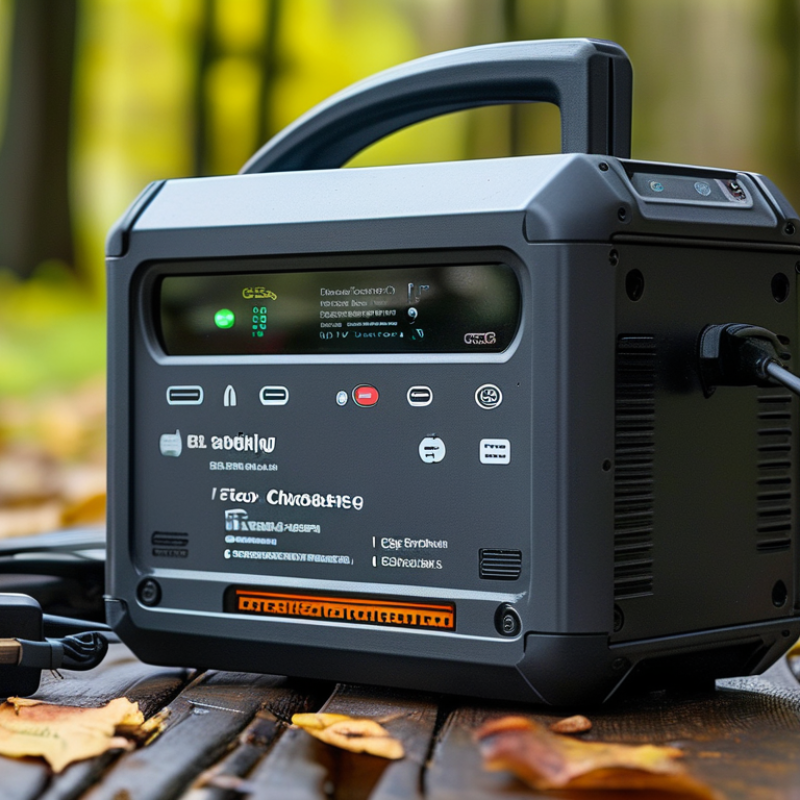
When choosing a portable DC charger, several key features deserve attention. Battery capacity is crucial; it determines how much power your devices can receive. A higher capacity often means multiple recharges. Look for models with 10,000mAh or more for smartphones. Yet, larger capacities can mean heavier devices, which may not be ideal for all users.
Compatibility is another significant factor. Ensure the charger supports various voltage outputs. Universal compatibility allows charging multiple devices without hiccups. Moreover, check the output ports available. Chargers with multiple ports can charge different devices simultaneously, simplifying your power needs.
Lastly, consider the charger’s safety features. Built-in protections like overcharge and short circuit prevention enhance reliability. A charger that gets too warm during use might not be the best choice. Users should reflect on their unique requirements as well. Each person’s needs will differ based on lifestyle and device usage patterns.
Power output is crucial when selecting a portable DC charger. Understanding amps, volts, and wattage can make a significant difference. Amps measure the current, indicating how quickly your device charges. Volts represent the electrical potential, while wattage reflects the total power output. These three elements interplay to determine overall charging efficiency.
For instance, a charger with higher volts can be more efficient. However, this doesn't always guarantee faster charging. It’s essential to match your device's requirements with the charger's output capabilities. If you experience slower charging, it might simply be the mismatch in these ratings.
Some users overlook these details. They might find a charger that looks appealing but fails in practicality. Always check the specifications. Think about the devices you will charge. A higher wattage doesn't mean it's ideal for every scenario. Be mindful of your needs, as the right balance of power output can enhance your user experience significantly.
This chart illustrates the power output ratings of different portable DC chargers based on their amps, volts, and wattage. Understanding these ratings can help you choose the right charger based on your device's requirements.
When selecting a portable DC charger, understanding battery capacity is crucial. Battery capacity, measured in milliamp-hours (mAh), directly reflects how much energy a charger can hold. Studies indicate that chargers with higher mAh ratings can generally charge devices more efficiently. For instance, a charger with 10,000 mAh typically provides two full charges for an average smartphone. In contrast, a 5,000 mAh charger might struggle to fully charge the same device once.
However, it’s not just about the numbers. A higher capacity often means a larger and heavier charger. Portability can diminish if the device is cumbersome. Charging speed also varies. Some chargers might have high mAh but could lack advanced technologies like Quick Charge or Power Delivery. These technologies optimize the charging process, ensuring devices get powered up swiftly.
Many consumers overlook these factors. They might select based solely on mAh rating without considering device compatibility. Reports suggest that choosing the wrong charger can lead to inefficient charging. The wrong match can hamper battery life or result in longer charging times. This complexity highlights the importance of thorough research and understanding personal charging needs.
When choosing a portable DC charger, portability plays a crucial role. Consider the size and weight. A compact charger fits easily into your bag. Lightweight models are perfect for travel. You want something that won't add bulk. Look for a design that is easy to grip and use. Textured surfaces can enhance your handling experience.
Think about the design features too. A well-designed charger may have a built-in clip or pocket to prevent it from slipping out. Color and shape can also influence portability. Bright colors help you spot your charger easily among other items. However, remember that smaller isn't always better. A tiny charger may offer less power, which is essential for multiple devices.
Lastly, charging ports should be accessible. Some chargers come with multiple ports, but their placement might complicate usage. Consider how you plan to use the device before making a choice. Balance is key in functionality and convenience. Reflect on how often you’ll need it and what devices it will serve. Aim for a charger that meets your needs without compromising on its practical design.
When choosing a portable DC charger, safety standards should be your top priority. Many devices may look similar, but their compliance with industry regulations varies significantly. Look for certifications like UL, CE, or FCC. These marks indicate that the charger meets certain safety criteria. Failure to check these standards could lead to battery malfunctions or even fires.
Internal components are just as critical as external certifications. They should be designed to handle voltage fluctuations and prevent overheating. Some devices may use cheaper materials that compromise reliability. Asking about the safety features in a charger before purchasing can save you from future headaches. Even a minor oversight in technology can lead to serious consequences. Aim for chargers that include safeguards against overcurrent, overvoltage, and short circuits.
Understanding safety standards can feel overwhelming. It's easy to take shortcuts and ignore the fine print. A device might seem appealing, but its lack of compliance can put you at risk. Researching safety protocols cannot be overstated. Making informed choices will help protect you and your devices in the long run. Don't rush through your selection process; take time to reflect on safety as a non-negotiable factor.
| Tip No. | Tip | Safety Regulation | Compliance Importance |
|---|---|---|---|
| 1 | Check for UL Certification | UL 2056 | Ensures safety of electrical devices |
| 2 | Verify Energy Efficiency Rating | Energy Star | Reduces power consumption and waste |
| 3 | Look for a CE Mark | Low Voltage Directive | Indicates compliance with EU safety standards |
| 4 | Ensure Overcharge Protection | IEC 60950-1 | Prevents battery damage and hazards |
| 5 | Read User Reviews for Reliability | N/A | Real-world performance insights |
| 6 | Choose a Charger with Short Circuit Protection | ISO 9001 | Enhances overall safety |
| 7 | Ensure the Charger has Temperature Control | IEC 60068-2-1 | Prevents overheating risks |
| 8 | Check for the Right Output Power Specifications | N/A | Ensures compatibility with devices |
| 9 | Consider the Size and Portability | N/A | Affects ease of use on-the-go |
| 10 | Ensure Warranty and Support Availability | N/A | Provides peace of mind for users |
: Battery capacity, measured in mAh, indicates how much energy a charger can store. Higher capacities mean more recharges.
Charging speed depends not only on mAh but also on technologies like Quick Charge. These can improve overall efficiency.
Chargers must support various voltage outputs for diverse devices. Universal compatibility prevents charging issues and protects devices.
Look for overcharge and short circuit protections. These features enhance reliability and reduce the risk of malfunctions.
Check for certifications like UL or CE. These ensure compliance with industry safety regulations. Avoid skipping this step.
Ignoring safety can lead to overheating or even fires. Reflect on the importance of safety in your charger choice.
Yes, larger chargers can be heavier and less portable. Consider your lifestyle needs when selecting battery capacity.
Internal parts must handle voltage changes effectively. Cheap materials can compromise reliability. Ask about these features before buying.
Choosing the wrong charger can harm battery life. Take time to understand your personal charging needs for optimal efficiency.
It can lead to inefficient charging and longer times. Studies show that mismatched chargers often fail to meet user expectations.
When it comes to how to choose the right portable DC charger, several key features must be evaluated to ensure you make an informed decision. First, understanding power output is essential; you should look at amps, volts, and wattage ratings to determine how efficiently the charger can power your devices. Additionally, battery capacity measured in milliampere-hours (mAh) plays a crucial role in charging efficiency and overall performance.
Portability factors such as size, weight, and design are also vital, particularly for users who need a charger that can easily be taken on the go. Lastly, ensuring that the charger complies with safety standards and industry regulations is imperative for reliable usage. By considering these aspects, you can confidently choose a portable DC charger that meets your specific needs.

LA Charger