As electric vehicles (EVs) gain popularity, charging solutions become crucial. Many EV owners wonder why use a wall mounted DC charger. This choice can significantly enhance the charging experience. Wall mounted DC chargers provide faster charging times compared to traditional options. With a higher power output, they can charge an EV in a fraction of the time.
The importance of convenience cannot be understated. A wall mounted DC charger can be installed at home or in designated public areas. This installation simplifies the charging process. Drivers can easily plug in their vehicles while at work or home. However, it raises questions about compatibility and installation costs. Not all EVs can utilize DC fast charging, which can affect certain owners.
The reliability of a wall mounted DC charger is paramount. These units typically withstand various weather conditions, making them suitable for outdoor use. Yet, potential issues may arise if not maintained properly. Regular checks are essential to ensure optimal performance. Overall, understanding why use a wall mounted DC charger can help make informed decisions for EV ownership and charging efficiency.
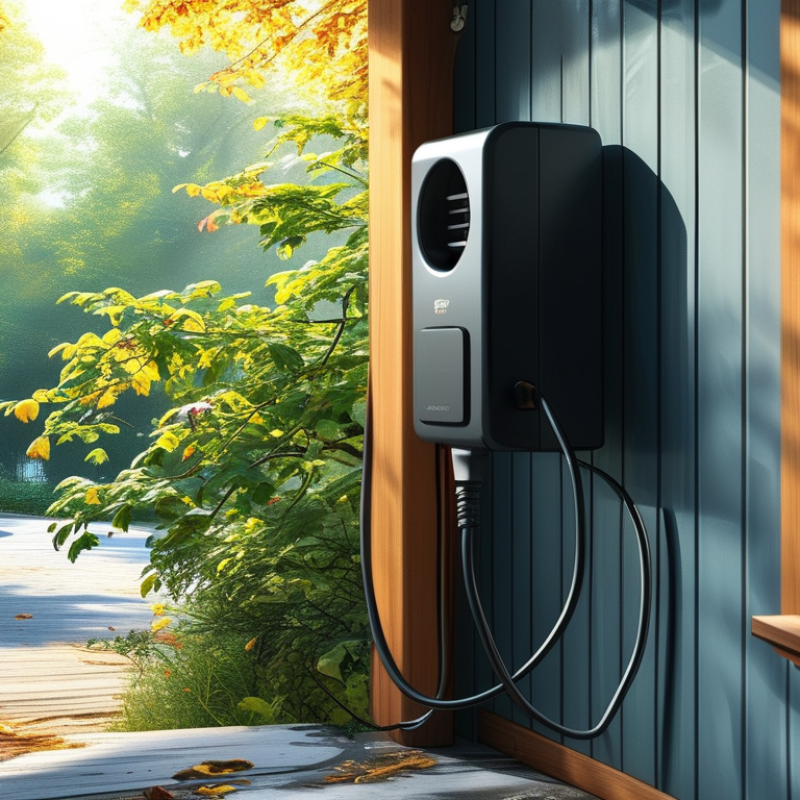
Benefits of Wall Mounted DC Chargers for Electric Vehicles
Wall mounted DC chargers are gaining popularity for electric vehicle (EV) owners. They offer convenience and efficiency, making charging quick and straightforward. Unlike traditional chargers, these units can deliver high power outputs, significantly reducing charging time. Imagine plugging in your vehicle and getting back on the road in no time.
One key benefit is the space-saving design. Installing a wall-mounted charger frees up ground space, perfect for garages or parking areas. These chargers can be integrated into home smart systems, allowing users to monitor charging progress remotely. However, it's essential to ensure proper installation. Poorly mounted devices can lead to safety hazards or inefficient charging.
Another advantage is reliability. Wall mounted DC chargers are built to withstand varying weather conditions. They often come with durability features that can resist environmental wear. While the initial investment may seem high, the long-term savings on electric bills can be substantial. Some users may report issues with compatibility, which requires further research. Choosing the right charger based on your specific EV model is vital for optimal performance.
Key Features of Wall Mounted DC Chargers
Wall-mounted DC chargers offer several advantages for electric vehicle (EV) owners. They are designed to provide fast and efficient charging, making them ideal for home installations. One key feature is their compact size, allowing them to fit into small spaces. This is especially useful in urban settings where space is limited.
Safety is another important aspect. Many wall-mounted DC chargers come equipped with multiple safety features, such as overcurrent protection and surge protection. These features protect both the charger and the vehicle from electrical hazards. Additionally, some models include smart charging capabilities. This allows you to monitor and control the charging process through your smartphone, adding convenience to your routine.
Installation can pose challenges. Proper placement is crucial for optimal performance. If not installed correctly, a charger may underperform, leading to longer charging times. It’s essential to consult professionals during installation. Testing the setup afterward is wise for ensuring both efficiency and safety. Despite the advantages, users should be aware of their home’s electrical capacity before installation.
Installation Considerations for Wall Mounted DC Chargers
When considering a wall-mounted DC charger for electric vehicles, installation factors are crucial. A proper installation can significantly enhance charging efficiency. Research indicates that the right charger can cut charging time by up to 50%. Positioning the charger in a well-ventilated area reduces heat buildup, ensuring safety and performance.
Choosing the right location is important. Avoid placement near water sources or flammable materials. Conduct regular checks on the power supply and connections to maintain reliability. Investing in a certified installer can mitigate risks of malfunction or safety issues. According to industry standards, an average home installation can take between 4 to 8 hours, depending on existing electrical frameworks.
Tips: Ensure the charger complies with local regulations for safety. Using a dedicated circuit helps prevent overloads. Keep manual instructions accessible for troubleshooting.
While wall-mounted chargers offer convenience, factors like wall material and proximity to power sources must be considered. Electrical infrastructure may not always support the required load. Failing to assess this can lead to inefficient charging and potential power outages. It's essential to balance convenience with the practicalities of installation.
Cost-Effectiveness of Wall Mounted DC Charging Solutions
Wall-mounted DC chargers are gaining popularity among electric vehicle (EV) owners. One significant advantage is their cost-effectiveness. Installation costs can be lower than installing a traditional charging station. Moreover, these chargers deliver faster charging times, which can reduce overall energy bills in the long run.
When considering a wall-mounted DC charger, analyze your typical charging needs. If you charge frequently, investing in a DC charger can save you money. However, if your usage is minimal, reevaluate whether this solution fits your lifestyle. Sometimes, a slower charger may suffice and be more economical.
Tips: Before purchasing, compare installation fees from different providers. Check local incentives for installing charging stations, as these can lower costs. Always consult a professional to ensure a proper installation that meets safety standards.
Comparing Wall Mounted DC Chargers with Other Charging Options
Wall mounted DC chargers are gaining popularity among electric vehicle (EV) owners due to their efficiency and convenience. Compared to traditional Level 2 AC chargers, DC chargers can provide up to 80% of a vehicle's charge in just 30 minutes, according to a report by the International Energy Agency (IEA). This rapid charging capability is crucial for those who need to get back on the road quickly. In urban areas, where time is of the essence, wall mounted DC chargers can significantly reduce downtime.
However, there are trade-offs to consider. Wall mounted DC chargers often come with higher installation costs and require specialized infrastructure. A study by the U.S. Department of Energy indicates that while the upfront expenses may be steep, the long-term benefits can outweigh these initial investments. For instance, by reducing charging time, businesses can attract more customers, making it financially worthwhile. Yet, navigating local regulations and ensuring proper electrical compatibility can be complex.
When comparing charging options, it is important to recognize user needs. Residential Level 2 chargers are still a practical choice for those with overnight charging capabilities. Each option has its place in the EV ecosystem, depending on usage scenarios. Factors like charging speed, cost, and simplicity of use should guide drivers in making informed decisions about the charger that best suits their lifestyle.
Why Use a Wall Mounted DC Charger for Your Electric Vehicle? - Comparing Wall Mounted DC Chargers with Other Charging Options
| Charging Option |
Charging Speed (kW) |
Installation Cost ($) |
Convenience |
Location Flexibility |
| Wall Mounted DC Charger |
50-350 |
1000-3000 |
High |
Moderate |
| Level 2 AC Charger |
3.3-22 |
500-1500 |
Medium |
High |
| Standard Household Outlet |
1.2 |
0 |
Low |
Very High |
| Public DC Fast Charger |
50-350 |
Varies |
High |
Low |
FAQS
: They offer convenience, efficiency, and space-saving designs. Charging time is significantly reduced with high power outputs.
Their design allows installation on walls, which frees up valuable ground space in garages and parking areas.
Yes, they can integrate with home smart systems for monitoring charging progress from a distance.
Proper installation location is crucial, avoiding areas near water and flammable materials for safety.
Installation usually takes between 4 to 8 hours, depending on the existing electrical setup.
Yes, they are built to withstand various weather conditions, ensuring reliable performance over time.
Research charger compatibility with your specific EV model to ensure optimal performance and address any problems.
Regular checks maintain reliability and prevent potential safety hazards associated with electrical connections.
Assess your current setup before installation to avoid inefficient charging and power outages.
Poor placement, inadequate circuit setup, and ignoring local regulations can lead to malfunction and safety issues.
Conclusion
When considering electric vehicle charging solutions, many ask, "why use a wall mounted DC charger?" Wall mounted DC chargers offer numerous benefits, including faster charging times and space efficiency. These chargers are designed to provide optimal power delivery, making them an excellent choice for residential and commercial applications. Key features often include user-friendly interfaces and robust safety measures.
Installation considerations are crucial as well, requiring a suitable electrical setup and professional assistance to ensure safety and compliance. Additionally, wall mounted DC chargers can prove to be cost-effective in the long run, offering savings compared to traditional charging solutions. Ultimately, comparing wall mounted DC chargers with other options highlights their efficiency, making them a superior choice for EV owners seeking reliability and convenience.

 LA Charger