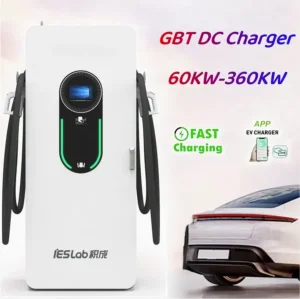
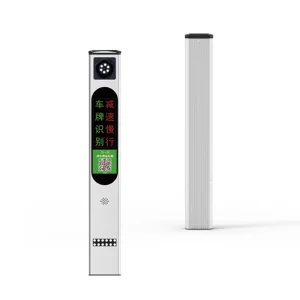
Explore our elite selection of high-power, multi-standard DC fast charging stations designed to ensure continuous uptime and unparalleled power transmission efficiency.
In the global fight against carbon emissions, governments and municipal organizations are at the forefront of the clean energy transition. The deployment of robust EV charging infrastructure for government fleets is no longer just a policy recommendation; it is an active mandate. From public transit authorities and utility service vehicles to law enforcement and federal agencies, fleet electrification requires a complete rethink of energy distribution, site planning, and hardware reliability.
As state, federal, and municipal bodies replace internal combustion engine (ICE) vehicles with light, medium, and heavy-duty electric alternatives, the demand for high-capacity Government Fleet DC Fast Chargers has escalated. Fleet operators require hardware that transitions vehicles from empty to operational in minutes rather than hours, maintaining depot scheduling integrity and emergency readiness. Managing such large-scale energy demand requires sophisticated integration with local utility grids, smart energy storage systems, and enterprise-grade charge management software (CMS).
Procuring public sector EV infrastructure demands high scrutiny of both the equipment and the manufacturer. Unlike residential or light commercial charging applications, government procurement involves stringent security protocols, long operational life expectations, and complex public tender specifications.
Fleets must be protected against malicious cyber threats. Advanced chargers must use secured OCPP 1.6J/2.0.1 protocols over TLS to prevent unauthorized access to local grid controls.
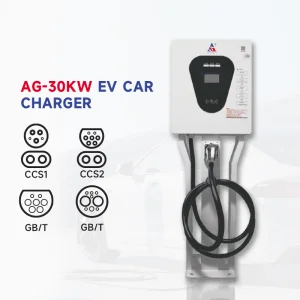
With multiple car and truck makes in a fleet, chargers must integrate CCS1, CCS2, NACS, and GBT interfaces natively. Dynamic power routing ensures optimal load distribution.
Equipment must operate reliably under extreme weather, with IP54/IP55 environmental protection and IK10 impact-resistant builds, paired with a robust localized service network.
In addition, the Total Cost of Ownership (TCO) is heavily analyzed. Public entities need long warranties, readily available replacement parts, and modular internal layouts to guarantee that units can be serviced quickly on-site. Manufacturers with dedicated technical assistance and vertically integrated supply chains win this trust.
Guangzhou LA Charge Co., Ltd. is a leading provider of comprehensive electric vehicle (EV) DC charging solutions, headquartered in Guangzhou. Founded with a vision to accelerate the adoption of electric mobility, the company specializes in Indoor and Outdoor DC Charging Stations, Fast Charging Infrastructure, Smart DC Charging Management, and a wide range of residential, commercial, and fleet charging solutions.
Our commitment to municipal infrastructure excellence is backed by a state-of-the-art 25,000-square-meter manufacturing facility in the Guangzhou Development Zone. Equipped with advanced assembly lines, testing labs, and comprehensive R&D centers, we produce chargers built to survive demanding, continuous operation. Our staff includes over 300 skilled professionals, including power electronics engineers, embedded software developers, and field support technicians dedicated to ensuring high product reliability.
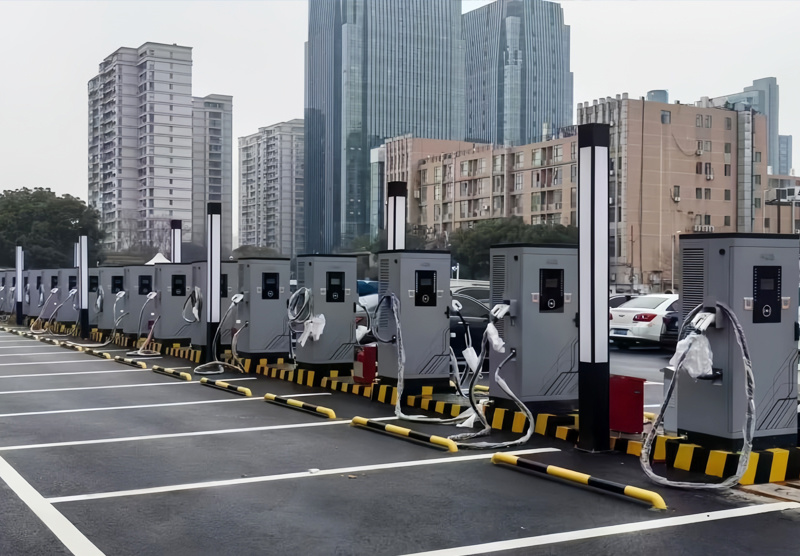
The core of our offering for government fleets lies in our diverse system capability. We design systems that handle massive continuous energy output, balancing grid limitations with vehicle demand. Our product portfolio also includes Highway DC Charging Hubs, Retail and Hotel Destination Chargers, Office Building and Multi-Unit Residential Charging systems, Networked DC Charging Platforms, Solar-Powered Chargers, Interactive Display Chargers, Digital Screen Stations, Mobile/Portable Charging Units, and Urban Public Charging Networks.
By leveraging advanced hardware topologies and modular power block modules, LA Charge ensures that a single point of failure within a charger does not render the entire system inoperable. If one power module fails, the remaining modules dynamically step up to maintain power flow, drastically reducing emergency downtime for critical municipal services.
We work closely with property developers, global fleet operators, and government agencies to deliver intelligent, sustainable, and efficient EV charging solutions across China and international markets. Our products feature smart OCPP integration, giving operators complete control over energy distribution, scheduling, and billing systems.
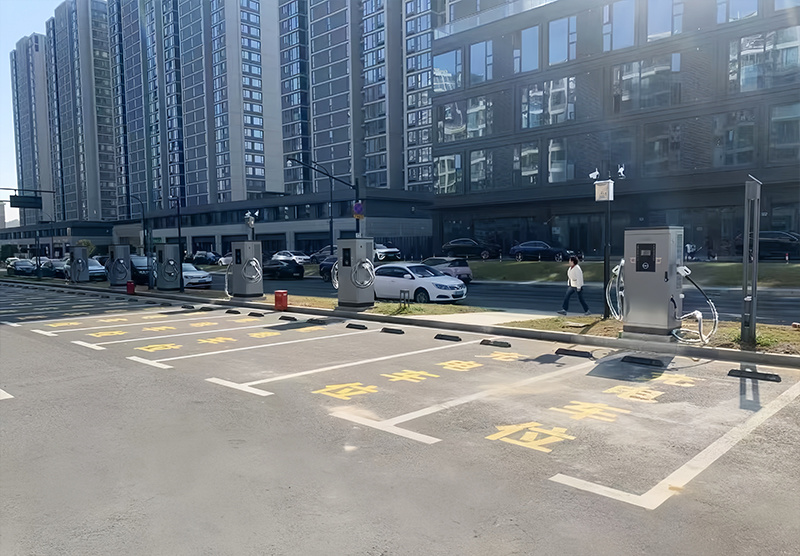
To implement a scalable fleet charging strategy, engineers must choose between two main architectures: standalone units and split/decentralized charging systems.
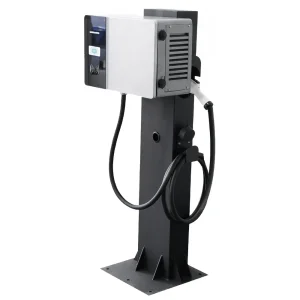
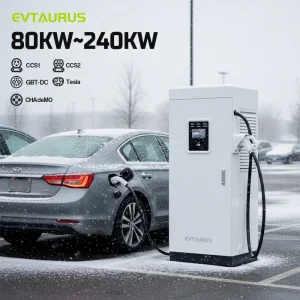
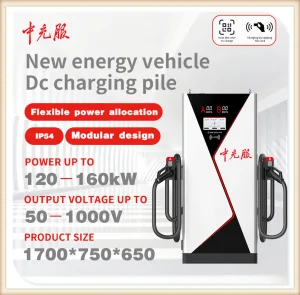
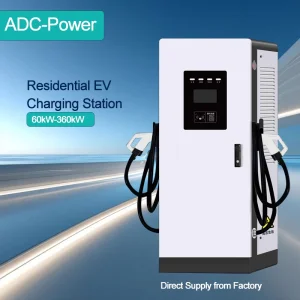
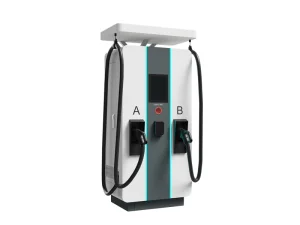
These units house both the power electronics modules and the dispenser interface in a single chassis. Ideal for smaller municipal depots or localized parking garages, standalone chargers (ranging from 40kW to 240kW) offer fast installation and independent operation. If one cabinet is damaged, other chargers in the depot continue operating without interruption.
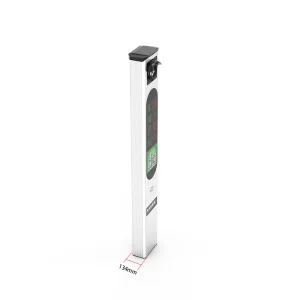
For large-scale depots housing dozens of electric transit buses or utility vehicles, split charging architecture is the industry standard. A central power container (320kW to 480kW+) is installed in a secure utility area, while slimline charging dispensers are placed in the parking bays. This reduces space constraints in tight parking areas and centralizes cooling, distribution, and component maintenance.
Government fleet deployments have strict compliance regulations. The equipment must match the grid characteristics and safety certifications of the host country. Guangzhou LA Charge Co., Ltd. designs and manufactures charging systems matching global standards:
Furthermore, our remote diagnostic software enables localized operators to perform firmware upgrades, configure parameters, and troubleshoot issues over-the-air, keeping maintenance costs low and ensuring high availability.
Fleet charging technology is advancing rapidly. The focus is shifting from simple chargers to intelligent, autonomous energy hubs. Key trends on our product roadmap include:
Technical and procurement inquiries regarding municipal and government fleet electrification.
From modular subsystems to high-power destination chargers, we supply components for the entire EV infrastructure value chain.
 LA Charger