Select premium hardware solutions customized for commercial integration, public stations, and energy dispatch centers.


As the global automotive landscape accelerates its paradigm shift from internal combustion engines (ICE) to electric drivetrains, the demand for fast, reliable, and intelligent charging infrastructure has reached an unprecedented scale. Service stations positioned along arterial highway corridors and high-density urban transit nodes are no longer merely fuel stops—they are transitioning into high-capacity electric charging hubs. Providing ultra-fast DC charging at these locations is key to mitigating EV driver range anxiety and ensuring rapid vehicle throughput.
Modern service station DC chargers require robust structural integrity, state-of-the-art power electronics, and sophisticated thermal management systems. The transition from legacy low-power systems to high-voltage, high-current charging architectures (ranging from 120kW to 480kW and megawatt systems) represents a massive leap in engineering. These systems must manage grid integration challenges, high thermal output, and fluctuating peak loads while maintaining an optimal user experience and minimal charging durations.
Sourcing service station DC chargers from a premier Chinese manufacturer provides exceptional strategic benefits to international charge point operators (CPOs), municipal transport fleets, and retail conglomerates. The Chinese electric vehicle supply chain has benefited from over a decade of concentrated investment, resulting in complete industrial integration. From advanced power semiconductor packaging (such as Silicon Carbide MOSFETs) to robust cabinet fabrication and dynamic smart management software development, every link of the supply chain is co-located in key manufacturing clusters.
Deploying ultra-fast charging hardware internationally requires strict adherence to localized electrical grids, national safety regulations, and secure communication protocols. A premium Chinese exporter maintains extensive engineering compliance departments to ensure every charger shipped meets or exceeds target country regulations.
Furthermore, local service level agreements (SLAs) are supported through partnerships with local installers, remote diagnostics, OTA software updates, and modular component kits that allow maintenance teams to perform swaps in minutes, maximizing charger uptime.
Guangzhou LA Charge Co., Ltd. is a leading provider of comprehensive electric vehicle (EV) DC charging solutions, headquartered in Guangzhou. Founded with a vision to accelerate the adoption of electric mobility, the company specializes in Indoor and Outdoor DC Charging Stations, Fast Charging Infrastructure, Smart DC Charging Management, and a wide range of residential, commercial, and fleet charging solutions.
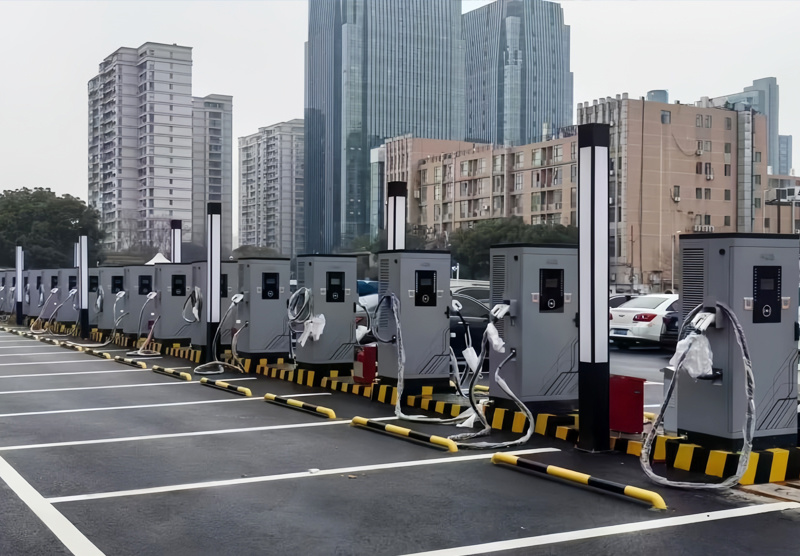
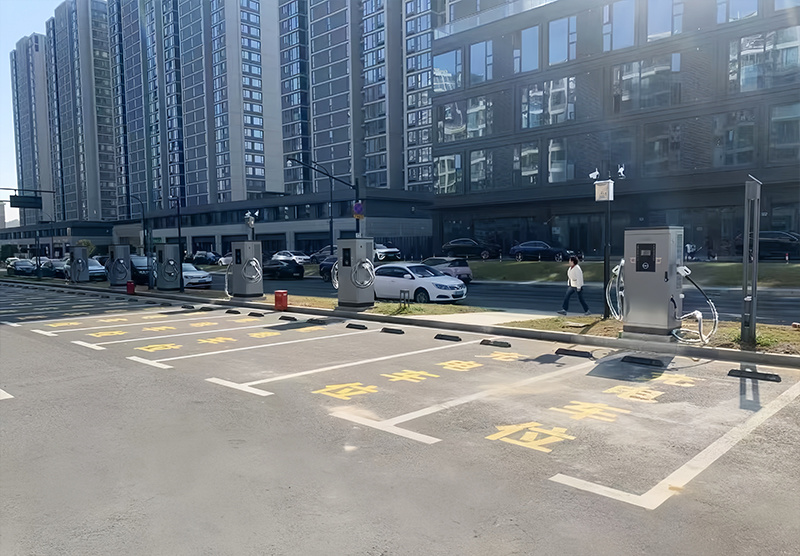
The company operates a state-of-the-art 25,000-square-meter manufacturing facility in the Guangzhou Development Zone, equipped with advanced assembly lines, testing labs, and R&D centers. LA Charge employs over 300 skilled professionals, including engineers, software developers, and field technicians, dedicated to designing, manufacturing, and maintaining reliable charging systems.
Its product portfolio also includes Highway DC Charging Hubs, Retail and Hotel Destination Chargers, Office Building and Multi-Unit Residential Charging systems, Networked DC Charging Platforms, Solar-Powered Chargers, Interactive Display Chargers, Digital Screen Stations, Mobile/Portable Charging Units, and Urban Public Charging Networks.
With a focus on innovation, quality, and customer service, Guangzhou LA Charge Co., Ltd. collaborates with property developers, fleet operators, and government agencies to deliver intelligent, sustainable, and efficient EV charging solutions across China and international markets.
When selecting a supplier for service station DC fast chargers, enterprise procurement managers must evaluate several technical criteria beyond the initial purchase price. Commercial charging infrastructure operates under harsh conditions and is subjected to high use, requiring commercial-grade durability.
Different commercial layouts demand specialized charging architectures. Standardized "one-size-fits-all" hardware configurations are rarely optimal.
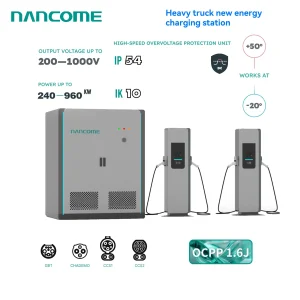
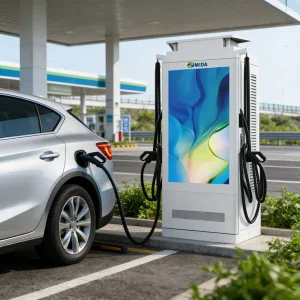
Requires high-power split systems where a central rectifier cabinet redistributes power dynamically to multiple satellite dispensers. Integrated digital advertising screens offer site operators additional revenue streams while drivers wait.
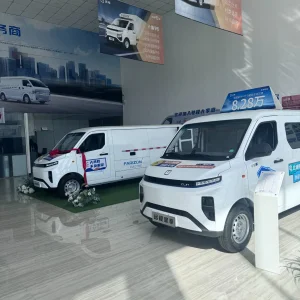
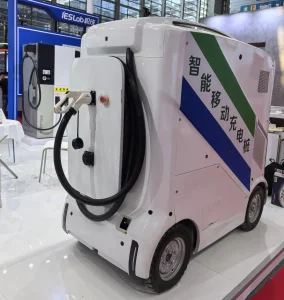
Designed for logistics hubs, postal fleets, and municipal transit systems. These environments require high reliability, scheduling control via OCPP to utilize off-peak energy rates, and options for emergency mobile wireless chargers to handle logistics contingencies.
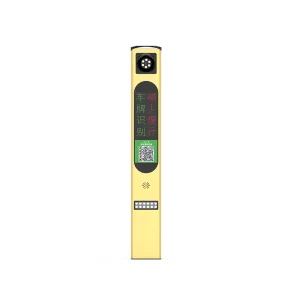
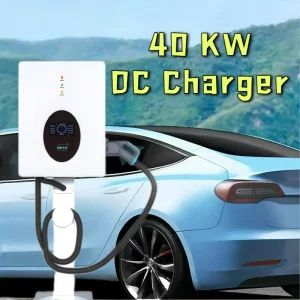
Combines fast DC chargers (30kW - 60kW) with AC destination systems. Incorporating license plate recognition (LPR) cameras ensures automated billing, entry/exit management, and prevents non-EV parking violations.
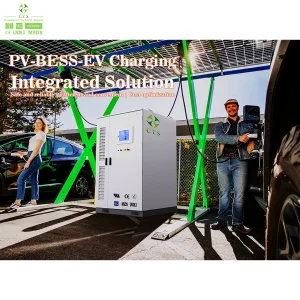
Combining photovoltaic canopies with large-scale commercial battery systems (such as 215kWh Li-ion storage cabinets) decouples charging demands from the local utility grid. This enables high-performance charging in remote areas with limited power infrastructure.
Detailed insights into service station DC chargers technology, deployment, and integration.
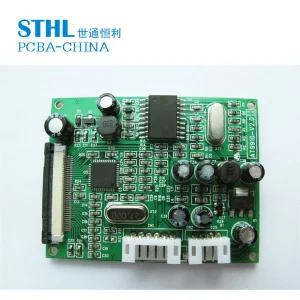
High-quality components, sub-assemblies, and specialized chargers to complete your charging infrastructure network.
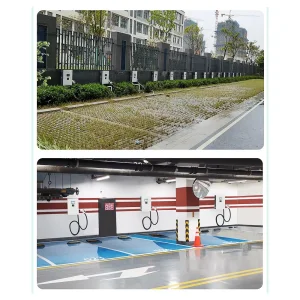
 LA Charger