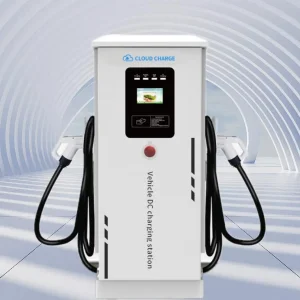
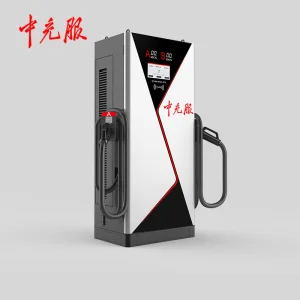
Advancing Global EV Infrastructure with High-Efficiency DC Fast Charging Solutions, Smart Connectivity, and Sustainable Energy Integration.
The transition to electric mobility is no longer limited to individual consumers. Modern educational campuses, industrial parks, and corporate headquarters are now the primary drivers of DC fast-charging demand. This shift is fueled by ESG commitments and the need to support employee fleets and logistics.
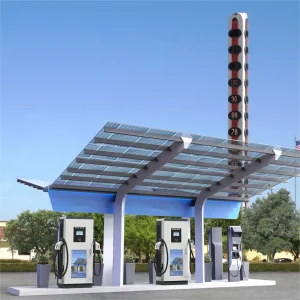
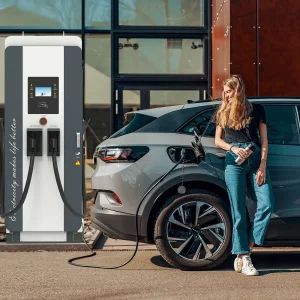
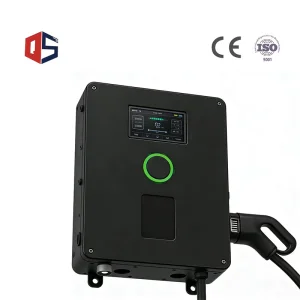
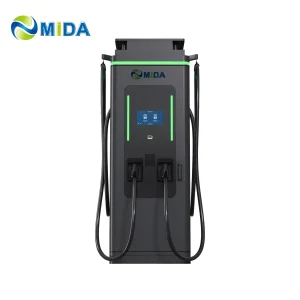
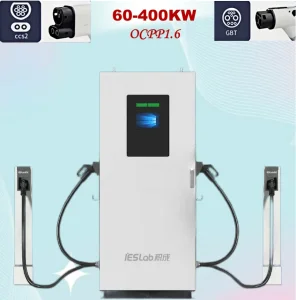
Standard AC charging is being rapidly supplemented by DC Fast Charging (DCFC). With power outputs ranging from 60kW to 360kW, these systems utilize 20kW/30kW/40kW modules to provide scalable power that can charge an EV battery to 80% in under 30 minutes, vital for high-turnover campus environments.
Deploying a managed charging network increases property value and provides a new revenue stream for facility managers. By integrating OCPP 1.6/2.0.1 protocols, operators can implement dynamic pricing, user authentication, and load balancing to optimize energy expenditure.
Guangzhou LA Charge Co., Ltd. is a leading provider of comprehensive electric vehicle (EV) DC charging solutions, headquartered in Guangzhou. Founded with a vision to accelerate the adoption of electric mobility, the company specializes in Indoor and Outdoor DC Charging Stations, Fast Charging Infrastructure, Smart DC Charging Management, and a wide range of residential, commercial, and fleet charging solutions.
With a focus on innovation, quality, and customer service, Guangzhou LA Charge Co., Ltd. collaborates with property developers, fleet operators, and government agencies to deliver intelligent, sustainable, and efficient EV charging solutions across China and international markets.
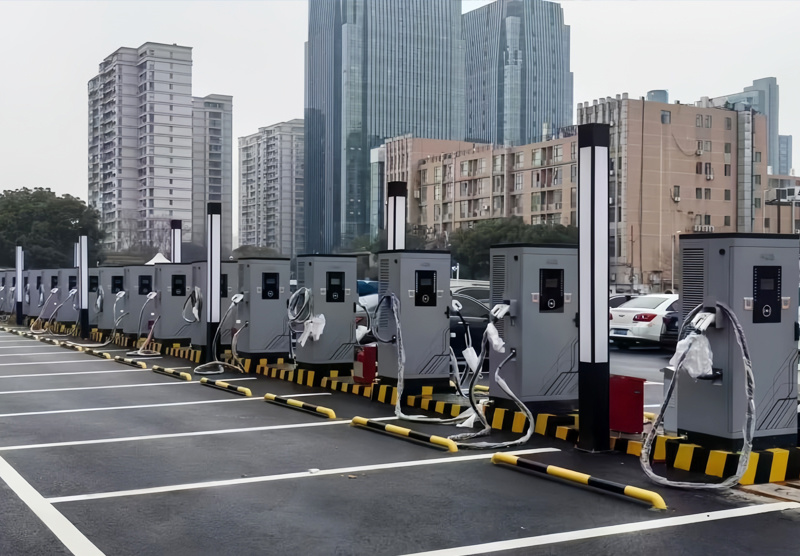
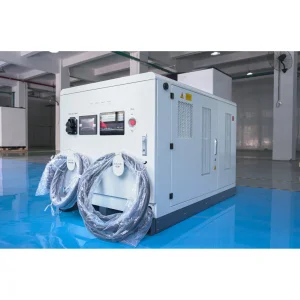
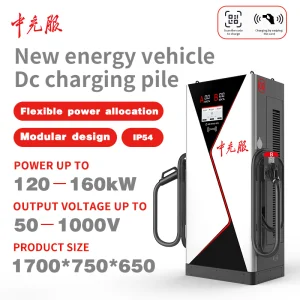
Advanced Cooling Systems: As power density increases, thermal management becomes critical. Our latest 120-160kw Powermax DC stations feature independent air-duct designs and optional liquid cooling to ensure stable performance under extreme environmental conditions (IP54/IP55 ratings).
V2G & Smart Integration: The future of campus charging lies in Vehicle-to-Grid (V2G) technology. Charging stations will not just draw power but act as distributed energy resources, feeding energy back during peak demand to stabilize the campus microgrid.
Multi-Standard Localization: Global exporters must navigate a fragmented regulatory landscape. We provide native support for CCS1 (North America), CCS2 (Europe), GB/T (China), and CHAdeMO (Japan) to ensure seamless interoperability for international projects.
AI-Driven Load Management: By utilizing AI algorithms, campus networks can predict peak usage hours and distribute power dynamically between vehicles, preventing costly grid upgrades while ensuring every driver gets the charge they need.
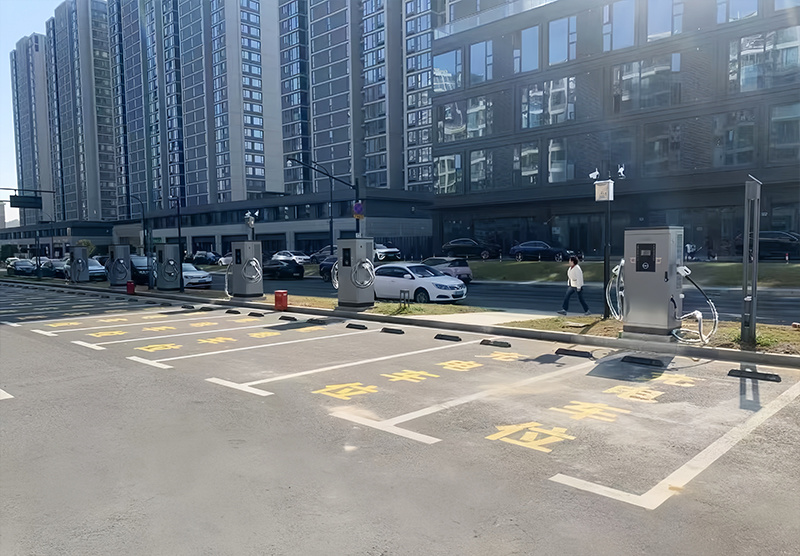
Guangzhou LA Charge Co., Ltd. operates a state-of-the-art 25,000-square-meter manufacturing facility in the Guangzhou Development Zone, equipped with advanced assembly lines, testing labs, and R&D centers. LA Charge employs over 300 skilled professionals, including engineers, software developers, and field technicians, dedicated to designing, manufacturing, and maintaining reliable charging systems.
DC charging bypasses the vehicle's onboard charger, allowing for much higher power delivery. For campuses, this means vehicles stay parked for shorter durations, increasing the "turnover rate" of each charging bay and serving more users per day.
The Open Charge Point Protocol (OCPP) is the industry standard for communication between the charger and the management system. It allows for "future-proofing"—you can switch software providers without replacing your hardware, and it enables advanced features like remote diagnostics and smart charging.
Yes. Our industrial-grade DC piles are designed with robust IP54/IP65 enclosures and advanced thermal management to operate in temperatures ranging from -30°C to +55°C, making them suitable for global export to diverse climates.
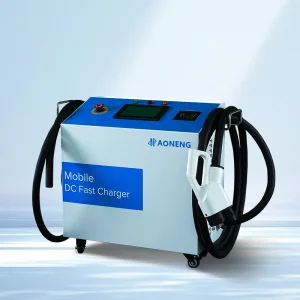
Absolutely. Modern systems like the Aoneng 30kw Mobile Solar DC Charger are specifically designed to leverage renewable energy, reducing operational costs and carbon footprint for campus environments.
 LA Charger