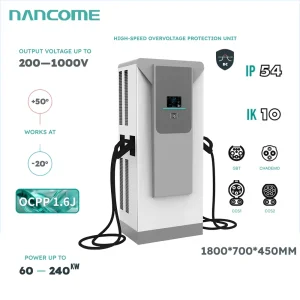
The Mulifanua district on the western tip of Upolu is far more than a ferry landing. It is the gateway linking Samoa's main island to Savai'i, host to the country's busiest inter-island terminal, and the anchor of a growing tourism and light-industrial corridor that stretches along the northwestern coast. For EV infrastructure planners, this combination of transit throughput, hospitality demand and limited grid redundancy creates both a challenge and an opportunity.
Samos has committed to ambitious renewable energy targets, with solar, hydro and battery storage increasingly feeding the national grid. That policy direction, combined with rising fuel import costs and a national fleet that is beginning to electrify, has pushed public and private stakeholders in Mulifanua to look for ruggedized outdoor DC fast charging hardware that survives salt-laden air, high humidity, intense UV exposure and seasonal cyclone activity. Standard indoor-rated equipment simply does not meet the duty cycle.
The Mulifanua waterfront hosts ferry marshalling yards, freight handling areas, small workshops and a growing cluster of visitor accommodation. Nearby Apia-based fleet operators frequently route vehicles through Mulifanua for cross-island transfers, which makes it a natural location for a high-turnover DC fast charging hub rather than a single slow charger. Hotels and eco-resorts along the coast, meanwhile, require destination charging that is quiet, corrosion-resistant and visually discreet.
Grid stability in the area can fluctuate during peak ferry windows, so charging station selection should prioritise wide input voltage tolerance, integrated surge protection, and optional solar or battery buffering. This is precisely where export-grade Chinese manufacturing has an advantage: the same platforms designed for Chinese highway service areas and coastal provinces are already engineered for harsh environments and high utilisation.
High-frequency vehicle throughput at Mulifanua wharf rewards fast, queue-friendly chargers with dual-gun architecture and reliable payment integration.
Salt spray and humidity demand IP54–IP55 enclosures, galvanised mounting, and marine-grade surface treatment as a baseline specification.
Pairing DC chargers with PV and storage reduces diesel dependence and stabilises output during utility interruptions.
China now supplies a dominant share of the global DC fast charging hardware market, and the reasons go well beyond price. Vertically integrated supply chains for power modules, connectors, controllers and enclosures allow factories to iterate quickly, certify across multiple standards, and ship at scale — critical for island markets where lead time and spare-part continuity matter as much as unit cost.
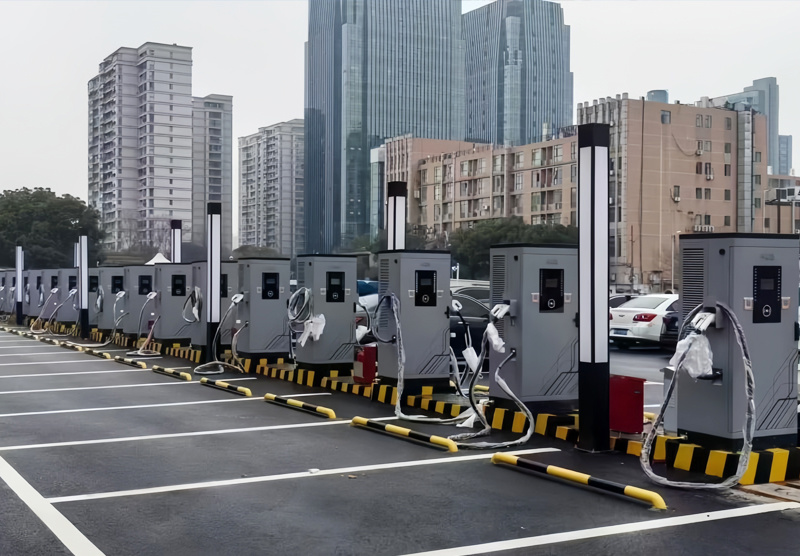
Guangzhou LA Charge Co., Ltd. is a leading provider of comprehensive electric vehicle (EV) DC charging solutions, headquartered in Guangzhou. Founded with a vision to accelerate the adoption of electric mobility, the company specializes in Indoor and Outdoor DC Charging Stations, Fast Charging Infrastructure, Smart DC Charging Management, and a wide range of residential, commercial, and fleet charging solutions.
The company operates a state-of-the-art 25,000-square-meter manufacturing facility in the Guangzhou Development Zone, equipped with advanced assembly lines, testing labs, and R&D centers. LA Charge employs over 300 skilled professionals, including engineers, software developers, and field technicians, dedicated to designing, manufacturing, and maintaining reliable charging systems.
Its product portfolio also includes Highway DC Charging Hubs, Retail and Hotel Destination Chargers, Office Building and Multi-Unit Residential Charging systems, Networked DC Charging Platforms, Solar-Powered Chargers, Interactive Display Chargers, Digital Screen Stations, Mobile/Portable Charging Units, and Urban Public Charging Networks.
With a focus on innovation, quality, and customer service, Guangzhou LA Charge Co., Ltd. collaborates with property developers, fleet operators, and government agencies to deliver intelligent, sustainable, and efficient EV charging solutions across China and international markets.
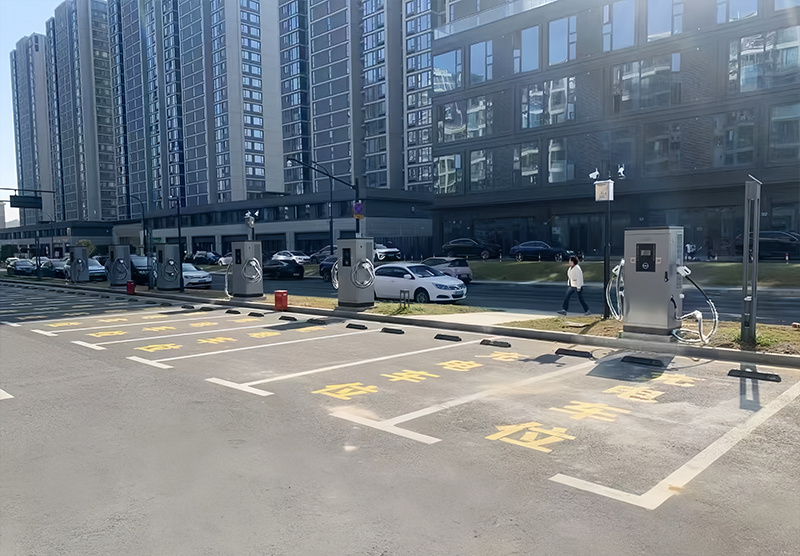
Four macro forces are redefining how island and coastal markets procure DC fast charging infrastructure — and each one favours export-grade, high-integrity engineering.
Fleet electrification and larger vehicle batteries are pushing public sites toward 120–360kW shared-power architectures with intelligent load balancing.
Remote diagnostics, OTA firmware updates and dynamic pricing are becoming procurement requirements rather than optional extras.
Solar carports and battery buffering reduce grid strain — especially relevant where diesel generation still backs up island utilities.
Cyclone-rated mounting, surge protection and corrosion-resistant finishes are now specified at tender stage in Pacific island projects.
RFID, QR, app-based and contactless card flows support mixed local and tourist user bases without staffed attendants.
Small multi-site hubs connected to a central management platform outperform isolated single-charger installations in utilisation and uptime.
Semantic search intent around “outdoor DC charging stations Mulifanua” typically clusters into four buyer profiles: ferry-terminal operators, hospitality developers, commercial fleet managers and public-sector infrastructure planners. Each has a distinct technical brief.
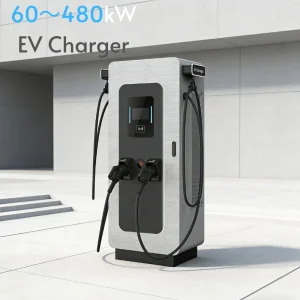
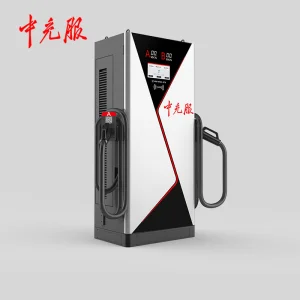
Vehicles waiting for inter-island crossings represent predictable dwell time — an ideal window for DC fast charging. Dual-gun floor-mounted units rated at 120–180kW allow two vehicles to charge simultaneously while maintaining queue throughput. Weatherproof enclosures and elevated cable management are essential where salt spray and rain are routine.
Boutique resorts near Mulifanua favour quieter, lower-profile chargers integrated into landscaping. 20–60kW DC units paired with AC destination points offer a balanced capex profile while still delivering meaningful range for guests arriving from Apia.
Delivery and utility fleets operating out of western Upolu benefit from 240–360kW heavy-duty chargers with multi-gun output and depot management software, enabling overnight and opportunity charging without exceeding site power limits.
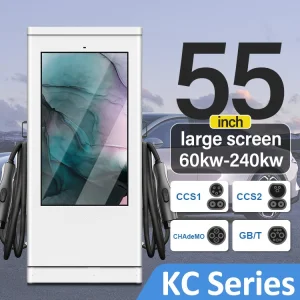
Government-backed corridors linking Mulifanua with Apia and the southern coast call for OCPP-compliant, revenue-grade stations with advertising or information screens — combining public service with commercial viability.
Procuring hardware is only one layer of a successful Mulifanua deployment. A macro-level solution stacks site assessment, power engineering, hardware selection, network software and after-sales support into a single accountable programme.
Load profiling, transformer capacity review and civil works planning tailored to coastal terrain and seasonal weather patterns.
Power tier, connector mix (CCS2, CHAdeMO, GB/T, Type 2), enclosure rating and cooling strategy matched to duty cycle.
OCPP 1.6J integration, user authentication, tariff management and remote monitoring dashboards.
Mounting guidance, commissioning checklists and remote engineering assistance for local contractors.
Module-level spare-part kits and sea-freight planning to minimise downtime in remote island locations.
Warranty administration, firmware updates and technical escalation channels across time zones.
International procurement teams sourcing for Pacific, Southeast Asian and African markets consistently prioritise the same criteria: verified IP ratings, multi-standard connectors, OCPP compliance, documented factory testing and responsive export support. European buyers add CE marking and RoHS documentation; North American buyers look for UL-oriented designs and CCS1 readiness; island and emerging-market buyers place extra weight on corrosion resistance, spare-part availability and total cost of ownership over a ten-year horizon.
Because Mulifanua sits at the intersection of tourism, transit and renewable energy policy, buyers there typically seek suppliers who can offer both product depth and engineering partnership — not simply a catalogue and a price list.
Share your site parameters, power availability and connector requirements — our engineering team will respond with a tailored configuration and export timeline.
📩 Send Inquiry Now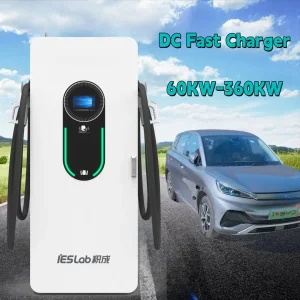
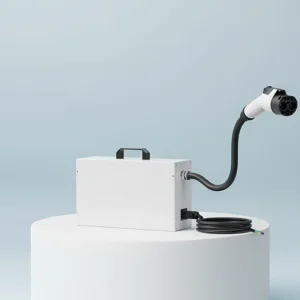
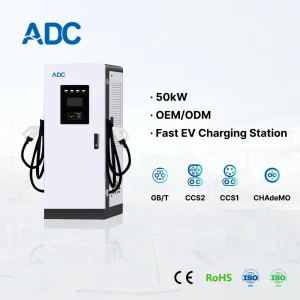
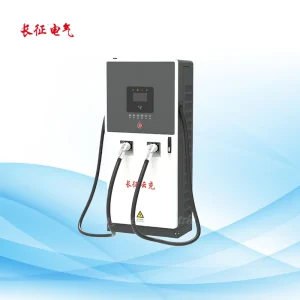
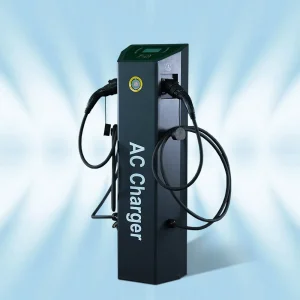
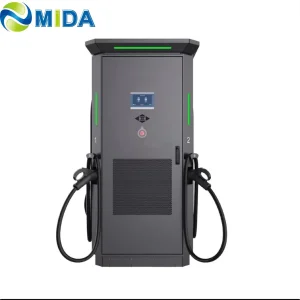
320kW DC Fast Charging Station with 4 Guns IP54 Rated for Outdoor Use
Answers to the questions procurement teams, developers and fleet operators most often raise when sourcing outdoor DC charging stations for Samoa and the wider Pacific region.
For salt-spray and high-humidity environments, specify a minimum of IP54, with IP55 strongly preferred for exposed waterfront or ferry-terminal sites. Enclosures should also include anti-corrosion surface treatment, sealed cable entries and UV-stable materials to withstand tropical sunlight.
CCS2 and CHAdeMO cover most imported EV models arriving in Samoa, while GB/T support is useful for vehicles sourced from China. Type 2 AC connectors are typically included for plug-in hybrids. Multi-standard configurations reduce the risk of stranded assets as the local fleet evolves.
A two-bay hub with 120–180kW shared output usually requires a dedicated transformer in the 200–400kVA range, depending on simultaneous usage assumptions. A site load study should precede equipment selection, and modular chargers allow capacity to be added incrementally.
Yes. Many export platforms support DC bus or AC-coupled integration with PV inverters and battery energy storage systems. This is particularly valuable in Samoa, where renewable penetration is rising and grid resilience varies by location.
Standard configurations generally ship within four to eight weeks from order confirmation, followed by sea freight to Apia. Custom connector mixes, advertising-screen models or high-power 320kW units may require additional production time. Early engagement with the factory shortens overall project timelines.
Module-level spare-part kits, remote diagnostics via OCPP back office, and documented commissioning procedures allow local technicians to perform most maintenance. Factories typically provide remote engineering escalation and warranty administration across time zones.
Even small sites benefit from OCPP 1.6J compliance, because it enables third-party network management, remote firmware updates, usage reporting and future roaming integration. It protects the investment as the local charging ecosystem matures.
Request test reports for IP rating and EMC, connector certification documents, OCPP compliance statements, warranty terms, spare-part lists and packing specifications. Reputable factories provide these as part of the export quotation package.
 LA Charger