Explore our elite portfolio of fast-charging units, solar-integrated hubs, and diagnostic adapters.

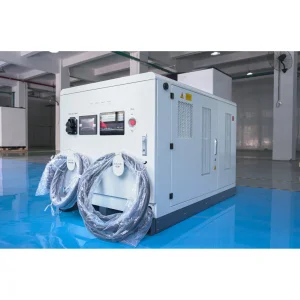
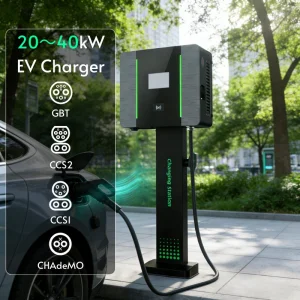
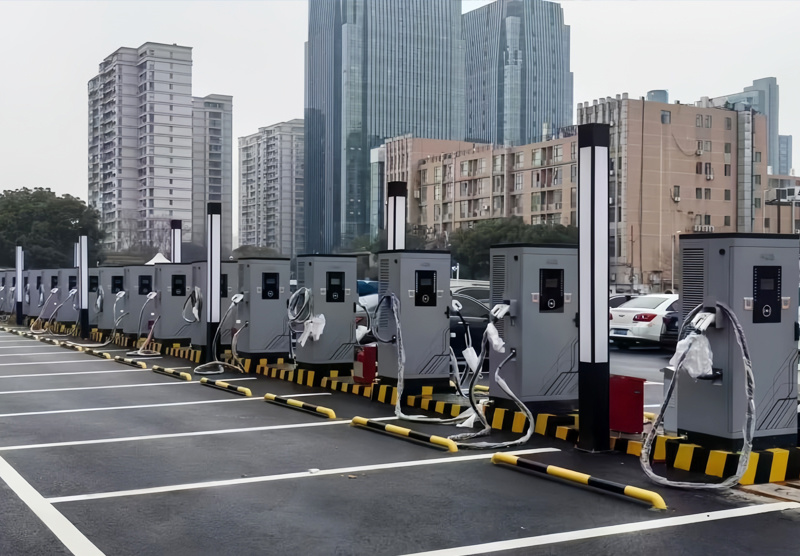
Founded to spearhead the global transition to net-zero mobility, Guangzhou LA Charge Co., Ltd. is a leading-edge industrial powerhouse specializing in the design, manufacture, and deployment of premium electric vehicle (EV) DC Fast Charging solutions. Headquartered in the dynamic economic hub of Guangzhou, we provide grid-compatible and off-grid solutions tailored for temporary installations, high-throughput commercial zones, corporate parks, and urban environments.
By blending innovative power electronics with advanced cloud software management, our mission is to eliminate range anxiety and grid-reliance bottlenecks during mass public events, sports tournaments, remote military operations, and urgent fleet deployments.
The global event and entertainment industry is facing an unprecedented transformation. With governments enforcing strict climate-neutral mandates and corporate sponsors demanding detailed ESG (Environmental, Social, and Governance) compliance reports, the traditional reliance on diesel generator banks is no longer viable. Concurrently, the exponential growth of passenger electric vehicles has shifted the expectations of event-goers: fast, seamless, and abundant charging facilities are no longer a luxury; they are a baseline requirement.
This dynamic has birthed a new niche in the power electronics market: Temporary & Mobile DC Fast Charging infrastructure. Unlike traditional highway installations, which are permanently anchored with deep concrete civil foundations, event charging systems require high mobility, rapid deployment times, modular power scaling, and extreme resilience against varying weather conditions.
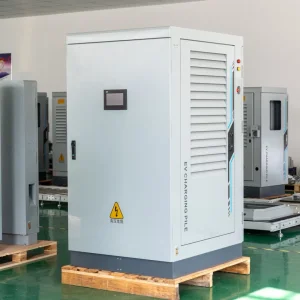
Modern trends demonstrate a significant shift toward integrated battery-buffered charging stations. These units mitigate the extreme peak loads that high-power charging piles draw from municipal grids. By utilizing a continuous low-power grid feed to trickle-charge a high-capacity internal battery reserve (such as our 215kWh commercial energy storage systems), suppliers can deliver continuous 180kW+ DC outputs to visitor fleets without triggering grid failures or astronomical utility peak charges.
Merging solar photovoltaic arrays, temporary battery reserves, and green hydrogen power plants to form resilient local microgrids at events.
Heavy-duty, all-weather trailer configurations featuring shock-absorbing steel chassis and outdoor-rated thermal management systems.
Cloud-based load distribution that continuously adjusts power delivery based on real-time grid conditions and vehicle charge profiles.
Procurement directors face regional challenges when sourcing DC charging solutions. Equipment must strictly align with localized electrical standard groups, mechanical transport certifications, and varying utility regulations. In Europe and the UK, compliance with CE standards, CCS2 cabling, and the implementation of open-standard protocols (OCPP 1.6j/2.0.1) are essential. In the North American market, UL certifications, FCC Class A emission profiles, and standard compatibility with both CCS1 and NACS (SAE J3400) connectors dominate B2B procurement queries.
Furthermore, grid connectivity at remote venues is notoriously unpredictable. Often, the host site only offers low-voltage AC configurations designed for standard building loads, rather than the high-voltage connections needed for simultaneous ultra-fast charging. As a result, global procurement plans are prioritizing hybrid, battery-buffered DC generators. Buyers demand equipment that offers dual utility: acting as regular grid-connected smart chargers in normal times, and converting into isolated local microgrid power delivery sources when dispatched to temporary events.
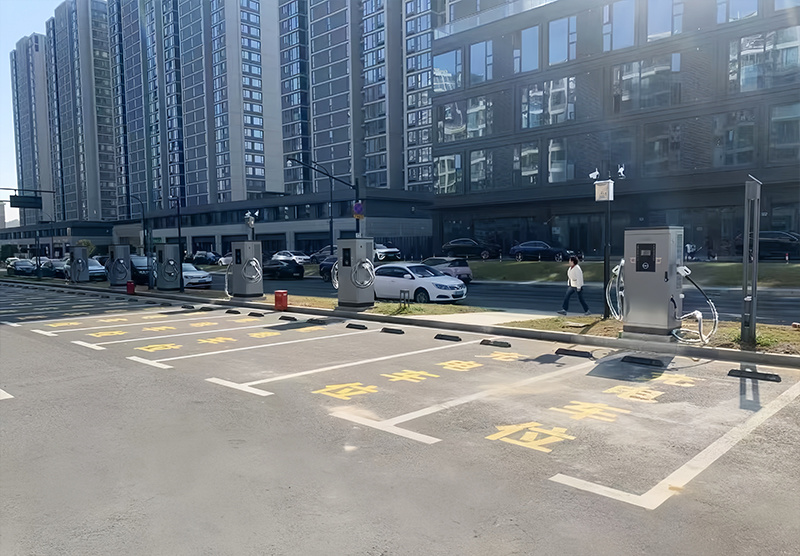
The next generation of event charging hardware relies on modular power blocks, ultra-efficient silicon carbide (SiC) switches, and active liquid cooling systems. Transitioning to SiC MOSFETs in our 30kW and 40kw charging modules increases efficiency beyond 96.5%, dramatically reducing heat generation and maximizing battery conservation. Liquid-cooled cables allow for lightweight 500A continuous charging without thermal throttling, maintaining optimal throughput even under direct sun exposure in summer festivals.
Looking ahead, we are integrating solid-state battery cells into our mobile battery-backed fast chargers. This change will double energy density, reduce fire hazards, and increase cycle life to over 6,000 charge cycles. On the software side, predictive AI engines will manage site loads by tracking local event schedules and weather patterns. They will optimize battery replenishment rates, reducing overall operational costs for logistics operators.
Get authoritative engineering answers to the most common queries regarding temporary, high-power EV charging configurations.
Discover commercial fast-charging stations, heavy-duty battery storage solutions, and durable switches.


 LA Charger