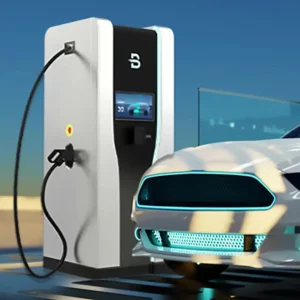
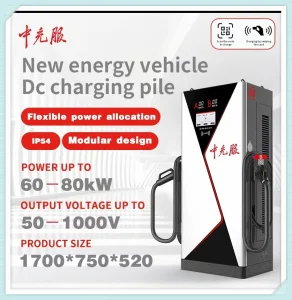
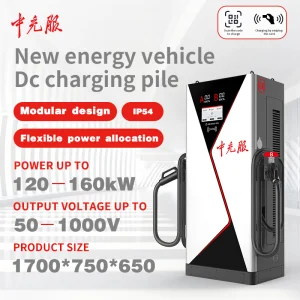
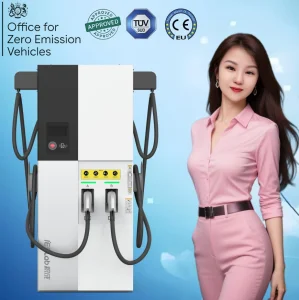
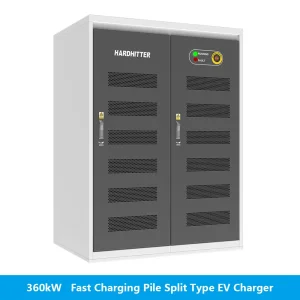
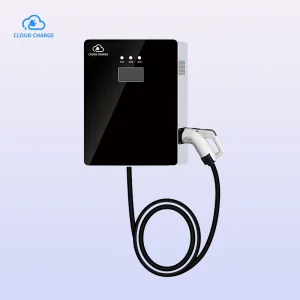
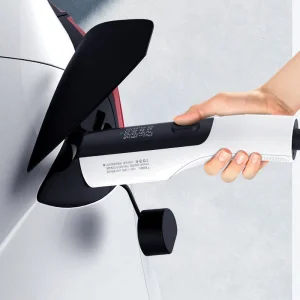
Explore our high-performance DC and AC charging systems engineered for global interoperability and smart app integration.
In the rapidly maturing electric vehicle (EV) ecosystem, the distinction between a "power outlet" and a "smart terminal" lies in its software layer. As we navigate the complexities of the 2024-2030 energy transition, mobile app-controlled chargers have emerged as the nexus of user experience and grid stability. This evolution is driven by the need for Information Gain—the ability to transform raw electricity delivery into actionable data.
Modern suppliers are no longer just bending metal and soldering PCBs; they are architects of IoT ecosystems. By integrating protocols like OCPP 1.6J and 2.0.1, factories enable real-time communication between the vehicle, the charger, the cloud, and the end-user's smartphone. This allows for dynamic load balancing, peak-shaving, and seamless payment integration, which are critical for both residential comfort and commercial profitability.
Home users utilize mobile apps to schedule charging during off-peak hours (midnight to 5 AM), reducing electricity costs by up to 60%. Integration with solar PV systems allows users to "Charge with Sun" via a single tap.
Logistics companies monitor 100+ units simultaneously. Apps provide health diagnostics, preventing downtime before it happens through AI-driven predictive maintenance and load distribution across depots.
Hotels and malls use app-controlled chargers to attract high-value EV drivers. Features like "Reserve a Spot" and automated billing via QR codes create a frictionless user journey that increases dwell time.
The concentration of "Top 10" factories in China, specifically in manufacturing hubs like Guangzhou and Shenzhen, is not merely a matter of cost. It is a matter of ecosystem synergy. The proximity of semiconductor fabricators, power module specialists, and software engineers allows for a development cycle that is 3x faster than European or North American counterparts.
Guangzhou LA Charge Co., Ltd. exemplifies this advantage. By operating a 25,000-square-meter facility with vertically integrated production—from sheet metal stamping to PCBA SMT—they eliminate the "bottleneck risk" inherent in fragmented supply chains. This resilience ensures that even during global component shortages, delivery timelines remain predictable and quality remains uncompromised.
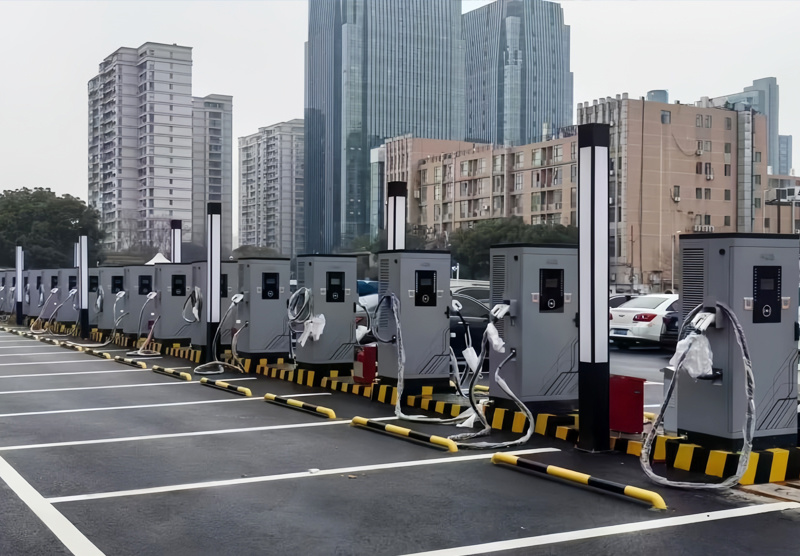
The next frontier where your EV becomes a mobile battery. Mobile apps will allow users to sell electricity back to the grid during peak prices.
Eliminating the need for RFID cards or app-clicks. The vehicle authenticates itself automatically upon connection, while the app handles the background receipt.
As charging speeds exceed 400kW, liquid-cooled cables and power modules become standard, all monitored via real-time thermal sensors on your phone.
Guangzhou LA Charge Co., Ltd. is a leading provider of comprehensive electric vehicle (EV) DC charging solutions, headquartered in Guangzhou. Founded with a vision to accelerate the adoption of electric mobility, the company specializes in Indoor and Outdoor DC Charging Stations, Fast Charging Infrastructure, Smart DC Charging Management, and a wide range of residential, commercial, and fleet charging solutions.
The company operates a state-of-the-art 25,000-square-meter manufacturing facility in the Guangzhou Development Zone, equipped with advanced assembly lines, testing labs, and R&D centers. LA Charge employs over 300 skilled professionals, including engineers, software developers, and field technicians, dedicated to designing, manufacturing, and maintaining reliable charging systems.
Its product portfolio also includes Highway DC Charging Hubs, Retail and Hotel Destination Chargers, Office Building and Multi-Unit Residential Charging systems, Networked DC Charging Platforms, Solar-Powered Chargers, Interactive Display Chargers, Digital Screen Stations, Mobile/Portable Charging Units, and Urban Public Charging Networks.
With a focus on innovation, quality, and customer service, Guangzhou LA Charge Co., Ltd. collaborates with property developers, fleet operators, and government agencies to deliver intelligent, sustainable, and efficient EV charging solutions across China and international markets.
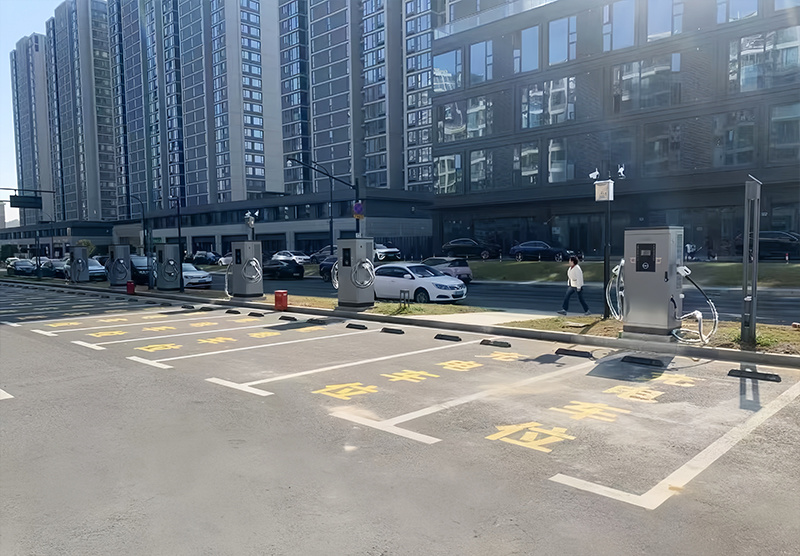
Entering international markets requires rigorous adherence to local safety and communication standards. A charger controlled by an app in Germany must comply with Eichrecht (calibration law), while one in California must support CPUC regulations. Top-tier Chinese suppliers invest heavily in certifications such as CE (LVD/EMC), TUV, RoHS, and UL to ensure their hardware is globally viable.
Beyond hardware, localized cloud hosting is a critical factor for app-controlled chargers. To comply with GDPR in Europe or CCPA in the US, reputable suppliers provide localized AWS or Azure instances to ensure user data never leaves the jurisdiction, providing peace of mind for both operators and end-consumers.
Advanced engineering meets user-centric design in our latest lineup of high-power charging stacks and portable units.
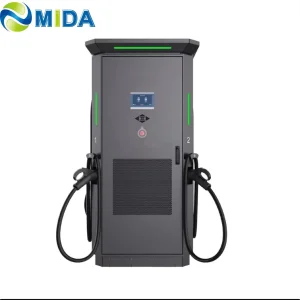
320kw DC Fast Charging Station with 4 Guns IP54 Rated for Outdoor Use
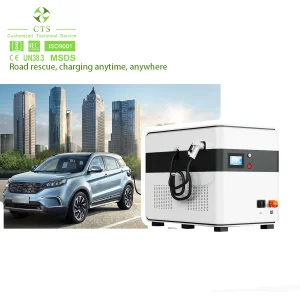
Portable Charger 60kw DC Mobile EV Charging Station for Electric Car Charging Outdoor
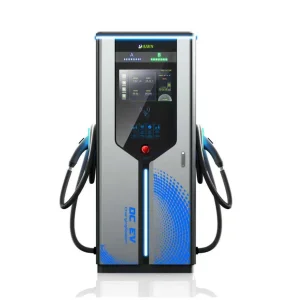
Outdoor DC Fast Electric Car Charging Station 240kw Commercial EV Charger for Electric Vehicles
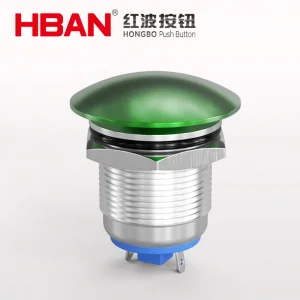
Hban 19mm Metal Zn-Al Alloy Waterproof Green Head Mushroom Push Button Switch
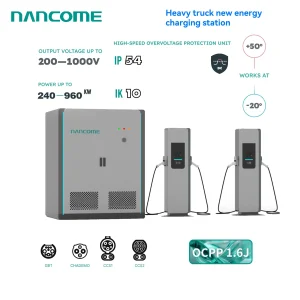
Nancome Megawatt High Power Charging System for Emergency Electric Fleets
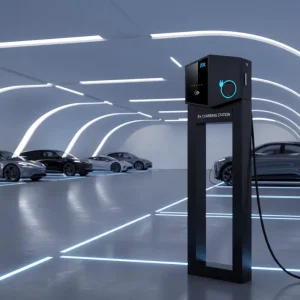
Ocpp 1.6 Certified 22kw EV Charger Dual Mount, RFID/APP for Office Building Use
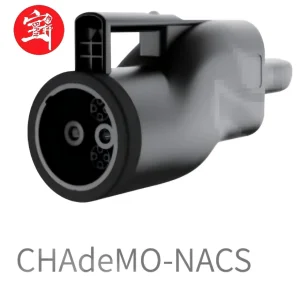
Hot Sale Chademo-Nacs Bi-Directional EV Charging Adapter 250A 1000V DC Fast Charger for Electric Car
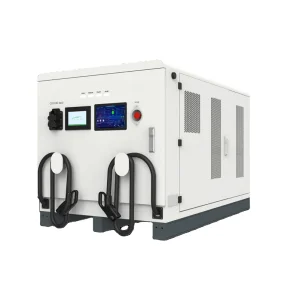
Electric Vehicle Charging DC Pile for Roadside Highway Power-Run-out Electric Vehicles
 LA Charger