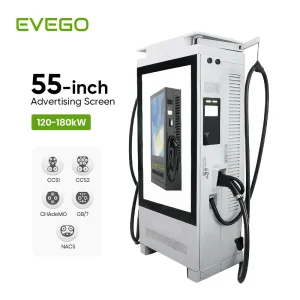
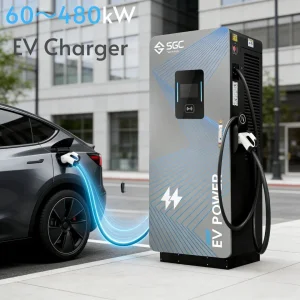
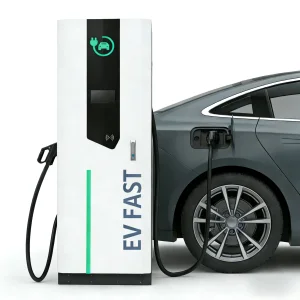
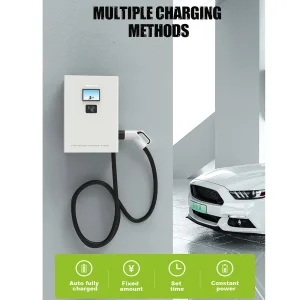
Advanced commercial energy infrastructure components engineered for peak utilization deployment at high-capacity transport nodes.
Analyzing how modern rail gateways serve as major catalysts for metropolitan electrical grid distribution and electric vehicle charging optimization.
Global transportation networks are undergoing a profound transformation as decarbonization initiatives compel municipal authorities and transport conglomerates to integrate EV infrastructure within railway environments. Train station DC charging facilities constitute a uniquely high-impact segment of the modern charging ecosystem. Characterized by high-throughput vehicle churn, extended but predictable dwelling patterns, and considerable grid constraints, railway station charging complexes require complex engineering approaches that diverge substantially from conventional highway stop or residential architecture.
To maximize capitalization on this structural shift, global procurement directors evaluate Tier-1 manufacturers and exporters based on their ability to deliver multi-layered, grid-resilient architectures. High-power DC fast-charging terminals (ranging from 120kW up to megawatt-level configurations) deployed at terminal hubs must utilize highly optimized load management configurations. The integration of advanced telemetry, multi-standard payment protocols, and structural resilience to withstand extreme weather fluctuations are non-negotiable baselines for these critical infrastructure components.
A technical assessment of matrixed evaluation frameworks deployed by institutional buyers, rail administrators, and infrastructure consortia.
Procurement entities require Total Harmonic Distortion (THD) of less than 5% under full loads, ensuring no disruption to highly sensitive railway signalization and control infrastructure sharing the same primary sub-station grid connections.
Mandatory system architecture compliance with ISO 27001, OCPP 2.0.1 secure profiles, and localized government infrastructure protection statutes to mitigate risks of state-level critical transport grid system cyber-intrusions.
Specified Mean Time Between Failures (MTBF) exceeding 100,000 continuous operating hours. System modularity must enable hot-swapping of internal power electronic matrices to allow uninterrupted operations during servicing windows.
In addition to strict technical benchmarks, the procurement lifecycle involves complex Total Cost of Ownership (TCO) modeling. Global exporters must demonstrate integrated software capabilities that facilitate automated monetization models, cross-border multi-currency transaction settling, and multi-tenant cloud dashboard support for transit authorities. Capital allocation favors manufacturers capable of supplying scalable solutions that easily adapt from standard fast-charging arrays to megawatt-level transit bus electrification systems as regional capacity needs scale upward.
How Tier-1 engineering enterprises overcome physical site limitations and localized grid bottlenecks within dense urban core stations.
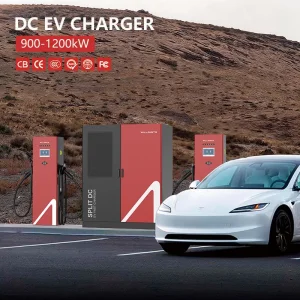
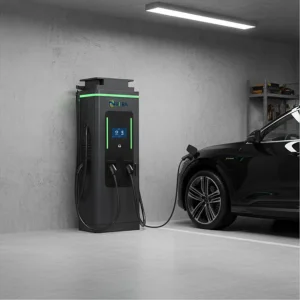
Within dense urban railway environments, physical space allocation adjacent to passenger terminals is highly constrained. Top-tier manufacturers resolve this bottleneck via decentralized split-type charging topologies. By placing massive liquid-cooled power matrix units in remote utility rooms up to 100 meters away, engineering firms can position compact, user-friendly, dual-connector satellite dispenser pedestals directly at busy commuter transit bays.
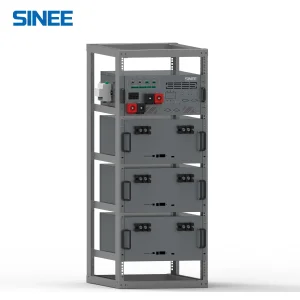
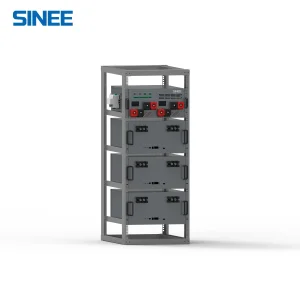
To circumvent multimillion-dollar grid substation upgrades at historic or high-density stations, macro infrastructure deployment utilizes localized energy storage coupling. High-voltage communication base station energy storage solutions, stacked meticulously in adjacent enclosures, capture power during low-occupancy off-peak hours. This stored power is subsequently injected dynamically during peak arrival waves, shielding the municipal high-voltage grid from destabilizing peak demand spikes and reducing operational demand charges by up to 40%.
An exploration of emerging next-generation standards, solid-state power conversion systems, and machine-learning load prediction frameworks.
The industry is rapidly shifting away from conventional Silicon IGBT switches toward advanced Silicon Carbide (SiC) MOSFET architectures. This structural hardware upgrade delivers an immediate 2-3% enhancement in conversion efficiency, significantly minimizes thermal losses, and allows for much higher switching frequencies. Consequently, this engineering advancement yields a substantial reduction in total system cabinet dimensions, providing valuable real estate savings within dense railway terminal configurations.
Future-proof train station transit hubs are moving beyond unidirectional energy consumption. Utilizing ISO 15118-20 protocol stacks, bidirectional high-power DC systems transform thousands of commuter EVs parked in station structures into a coordinated virtual power plant (VPP). During unexpected regional power shortfalls, the transit network can temporarily harvest energy back from parked passenger cars, offsetting station peak loads and generating secondary revenue streams for vehicle owners.
A comparative structural breakdown of major regional deployment standards and policy initiatives shaping the international export sector.
The Alternative Fuels Infrastructure Regulation mandates minimum aggregate power outputs for vehicle charging networks along major trans-European transport corridors, accelerating strict CE, TUV, and Eichrecht calibration compliance criteria.
State-funded transport projects require compliance with the National Electric Vehicle Infrastructure program, strictly enforcing UL 2202, UL 2594, and Buy America provisions across public intermodal hub procurements.
Rapid deployment of high-power GB/T and ultra-fast CHAdeMO 3.0 (ChaoJi) protocols across sprawling high-speed rail networks, with heavy architectural emphasis on highly integrated smart grid balancing systems.
A deep engineering overview of factory scale, R&D specializations, and the global supply-chain deployment footprint of an institutional category leader.
Guangzhou LA Charge Co., Ltd. is a leading provider of comprehensive electric vehicle (EV) DC charging solutions, headquartered in Guangzhou. Founded with a vision to accelerate the adoption of electric mobility, the company specializes in Indoor and Outdoor DC Charging Stations, Fast Charging Infrastructure, Smart DC Charging Management, and a wide range of residential, commercial, and fleet charging solutions.
The company operates a state-of-the-art 25,000-square-meter manufacturing facility in the Guangzhou Development Zone, equipped with advanced assembly lines, testing labs, and R&D centers. LA Charge employs over 300 skilled professionals, including engineers, software developers, and field technicians, dedicated to designing, manufacturing, and maintaining reliable charging systems.
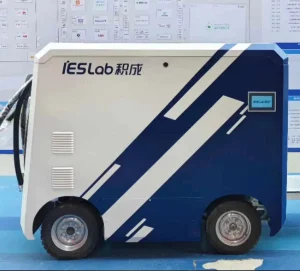
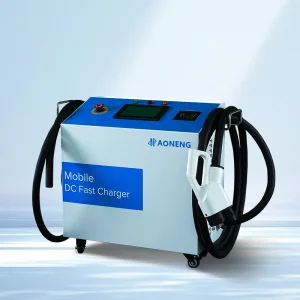
Its product portfolio also includes Highway DC Charging Hubs, Retail and Hotel Destination Chargers, Office Building and Multi-Unit Residential Charging systems, Networked DC Charging Platforms, Solar-Powered Chargers, Interactive Display Chargers, Digital Screen Stations, Mobile/Portable Charging Units, and Urban Public Charging Networks.
With a focus on innovation, quality, and customer service, Guangzhou LA Charge Co., Ltd. collaborates with property developers, fleet operators, and government agencies to deliver intelligent, sustainable, and efficient EV charging solutions across China and international markets.
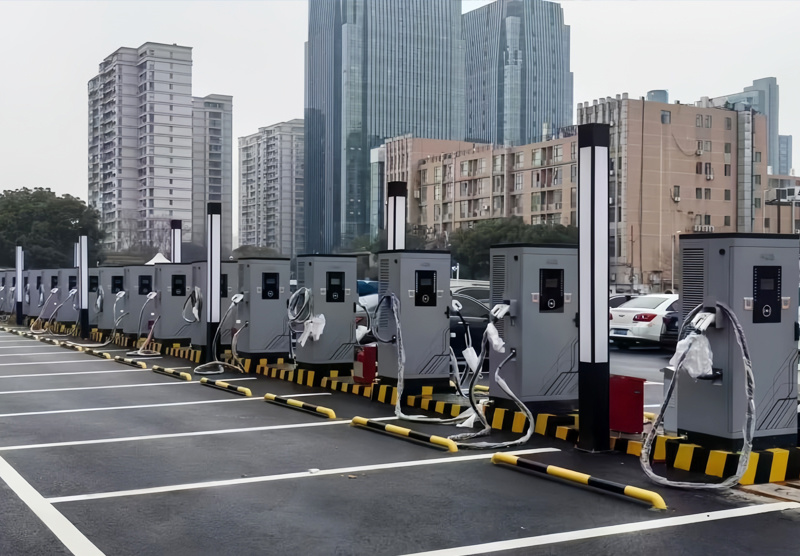
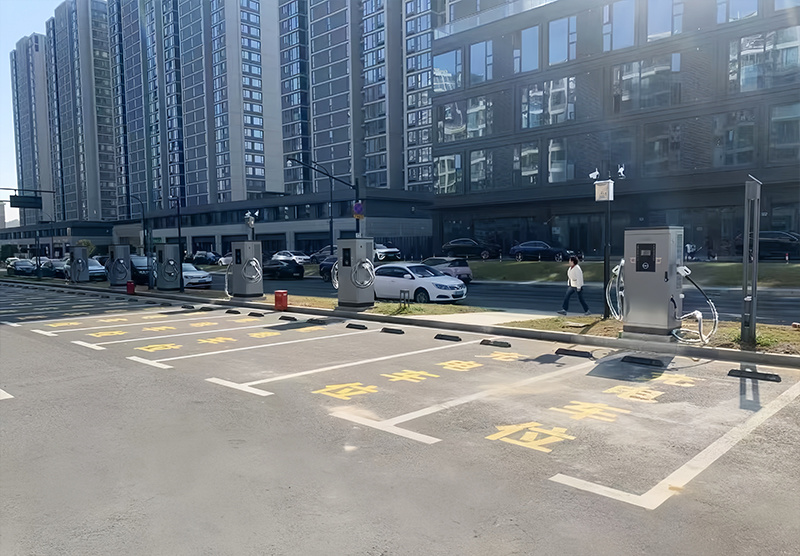
Operating out of the advanced Guangzhou Development Zone manufacturing ecosystem, the enterprise incorporates multi-stage quality control mechanisms. Every high-power liquid-cooled DC configuration undergoes rigorous safety evaluations, electrical simulation stress tests, and climate chamber simulations to confirm operational fidelity from -35°C to +55°C.
The manufacturer's focus on international expansion is backed by comprehensive regional certification portfolios, ensuring clean compliance with CE, TUV, and global electrical guidelines. By maintaining extensive integration testing facilities for firmware stack configurations, their field deployments demonstrate a seamless, immediate out-of-the-box handshake with global electric vehicle platforms.
A master framework for engineering leads tasked with evaluating prospective hardware manufacturers and system exporters.
When engineering selection committees assess the top 10 global train station DC charging manufacturers and exporters, they look past basic marketing literature to scrutinize underlying electrical engineering and architectural design principles. Transit hubs operate on decadal amortization schedules; thus, equipment choices made today must withstand evolving market conditions over long operational lifecycles. Below are the key engineering elements that distinguish true industrial-grade systems from standard commercial hardware:
Railway platform environments are characterized by high concentrations of airborne metallic particulate matter, brake dust, and moisture. Standard IP54 enclosures frequently suffer from early component fatigue due to particulate ingress. Top manufacturers utilize IP55 or hermetically sealed IP66 power module chambers equipped with liquid-to-air heat exchangers. This advanced cooling methodology ensures internal electronic components remain isolated from the outside atmosphere, extending the lifespan of sensitive internal sub-assemblies.
Sustained power delivery exceeding 150kW generates substantial thermal stress within power electronic modules. Traditional forced-air cooling systems require oversized internal fans that pull in outdoor contaminants and create significant acoustic noise, often exceeding 75 dBA—a level that violates noise constraints in modern passenger terminals. Liquid-cooled charging cables and power blocks eliminate these performance bottlenecks. By routing specialized dielectric cooling fluids directly to the terminal connector pins, manufacturers can safely deliver up to 500A of continuous current through a slim, lightweight cable while keeping operational noise below 55 dBA.
Addressing complex technical questions regarding grid integration, security baselines, and advanced power distribution topologies.
Split-type charging architectures isolate the complex power electronic matrices from the passenger-facing user interface. By consolidating all power conversion modules into a single secure utility room, technicians can perform routine maintenance, phase balancing, and module upgrades in a controlled indoor environment without shutting down terminal lanes or disrupting passenger flow at the parking bays.
Systems must run fully certified implementations of OCPP 1.6J or OCPP 2.0.1 paired with localized hardware secure elements (HSM). This design establishes an encrypted TLS 1.3 link with the operator's backend billing system. Additionally, physical point-of-sale card readers must comply with PCI-DSS standards to completely secure consumer financial credentials against modern skimming vulnerabilities.
BESS components act as electrical dampening buffers. When an electric vehicle initiates a high-current fast-charging session, the system draws energy directly from the local battery reserves rather than demanding immediate high power from the municipal grid. This configuration reduces peak demand spikes, lowers utility demand charges, and allows train stations to deploy ultra-fast charging points without requiring expensive local grid infrastructure upgrades.
ISO 15118 introduces native support for Plug & Charge and advanced bidirectional power routing (V2G). Incorporating this standard ensures that deployed charging systems can seamlessly handle automated authentication workflows and participate in utility demand response programs, shielding procurement groups from premature obsolescence as grid balancing technologies evolve.
Explore our underlying high-power technical configurations, tracking equipment, and digital-screen integrated payment solutions.
 LA Charger