Explore our flagship heavy-duty DC chargers, high-capacity fleet vehicles, and connection systems designed for maximum uptime.
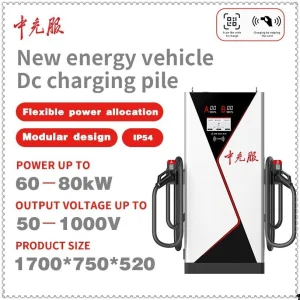



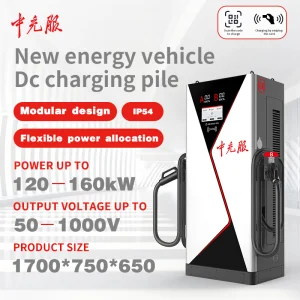
The global transition to sustainable transportation has moved beyond consumer passenger vehicles to commercial fleets, heavy-duty transit, and industrial logistics. In Europe, North America, and Asia-Pacific, fleet depot DC charging stations are now recognized as critical infrastructure. Commercial logistics fleets, freight operators, municipal transit networks, and port handling yards are rapidly electrifying to satisfy rigorous carbon emission regulations, lower operational expenditures, and maximize energy efficiency.
"Global transit and commercial logistics operators are shifting focus from simple Level 2 destination charging to High-Power Megawatt Charging Systems (MCS) and intelligent split-type DC systems to minimize operational downtime and reduce localized grid strain."
Operating a fleet depot requires unique energy profiles compared to public charging networks. Public networks prioritize accessibility and instantaneous speed for individual users, whereas fleet depots demand predictable, high-volume energy delivery, structural resilience, and automated energy management. Because fleets operate on strict schedules, depot managers must balance total energy consumption, grid demand charges, and vehicle battery degradation profiles to secure a favorable Total Cost of Ownership (TCO).
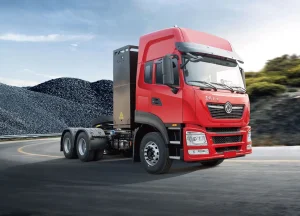
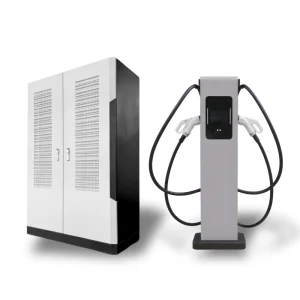
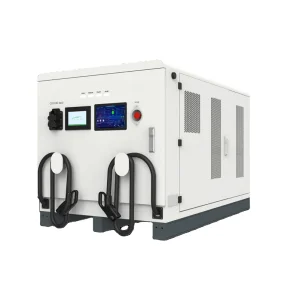
To support heavy-duty vehicles, such as the 6X4 Electric Tractor Truck (Payload 49ton-120ton), DC chargers must supply continuous, high-current electricity safely. Fleet depot charging platforms are shifting from standalone terminals to centralized power cabinet structures combined with distributed satellite dispensers. This allows depots to scale charging capacity organically as their electric fleets expand.
China leads the world in electric vehicle infrastructure manufacturing, supported by a mature component supply chain, intensive research and development, and unmatched economies of scale. Sourcing fleet-depot-scale DC fast chargers from Chinese factories offers substantial technological and economic advantages:
From power module fabrication and PCB assembly to sheet metal enclosures and advanced controller boards, Chinese manufacturers control the entire supply chain. This minimizes lead times and ensures consistency.
Top-tier factories produce equipment complying with CE, TUV, UL, and RoHS standards, guaranteeing safety, electromagnetic compatibility, and structural integrity across international borders.
Chinese factories are pioneers in liquid-cooled charging cables, dynamic power matrix sharing algorithms, and smart grid connectivity (OCPP 1.6J/2.0.1 and ISO 15118 protocols).
Furthermore, Chinese industrial hubs boast extensive capacity to handle OEM and ODM requests. Fleet managers and charger distributors can customize enclosure designs, software integrations, and physical connection layouts to suit their local power infrastructure and operational demands. This versatility ensures that heavy-duty roadside equipment and depot power piles perform optimally under varied climatic and grid conditions.
Guangzhou LA Charge Co., Ltd. is a leading provider of comprehensive electric vehicle (EV) DC charging solutions, headquartered in Guangzhou. Founded with a vision to accelerate the adoption of electric mobility, the company specializes in Indoor and Outdoor DC Charging Stations, Fast Charging Infrastructure, Smart DC Charging Management, and a wide range of residential, commercial, and fleet charging solutions.
The company operates a state-of-the-art 25,000-square-meter manufacturing facility in the Guangzhou Development Zone, equipped with advanced assembly lines, testing labs, and R&D centers. LA Charge employs over 300 skilled professionals, including engineers, software developers, and field technicians, dedicated to designing, manufacturing, and maintaining reliable charging systems.
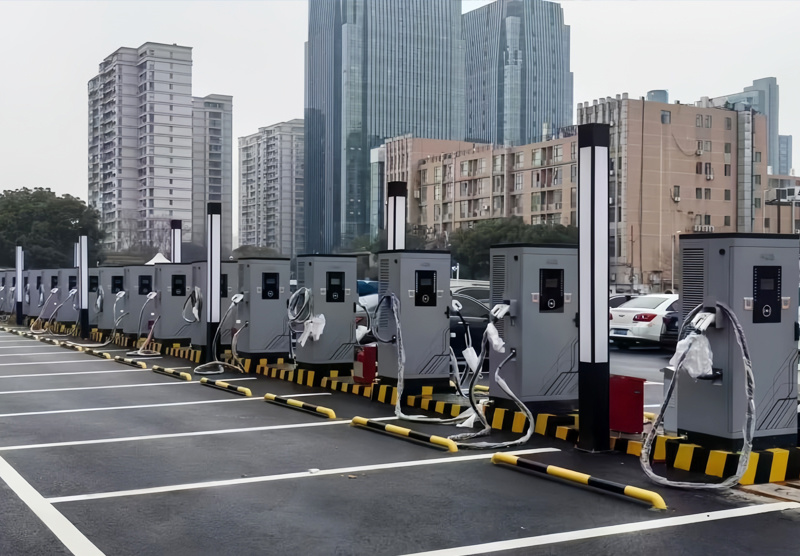
Its product portfolio also includes Highway DC Charging Hubs, Retail and Hotel Destination Chargers, Office Building and Multi-Unit Residential Charging systems, Networked DC Charging Platforms, Solar-Powered Chargers, Interactive Display Chargers, Digital Screen Stations, Mobile/Portable Charging Units, and Urban Public Charging Networks.
With a focus on innovation, quality, and customer service, Guangzhou LA Charge Co., Ltd. collaborates with property developers, fleet operators, and government agencies to deliver intelligent, sustainable, and efficient EV charging solutions across China and international markets.
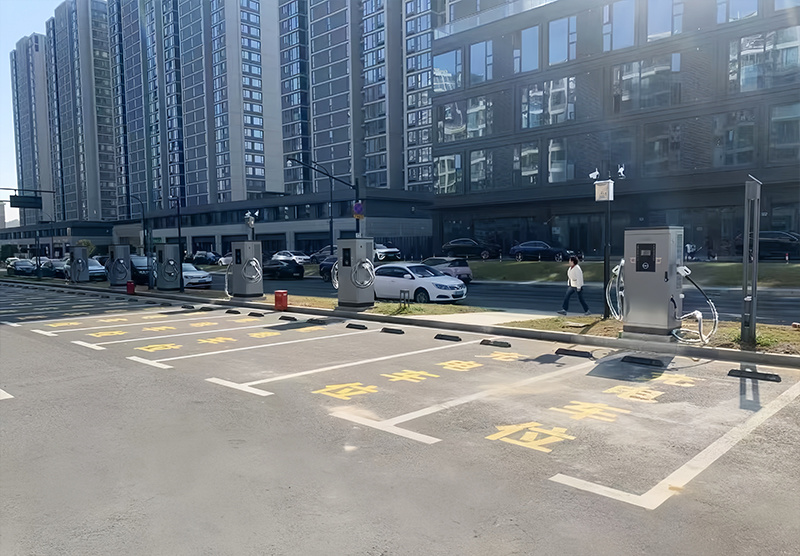
Fleet charging needs change based on the vehicles served, operational requirements, and geographic constraints. Below are key deployment models for commercial fleet DC charging installations:
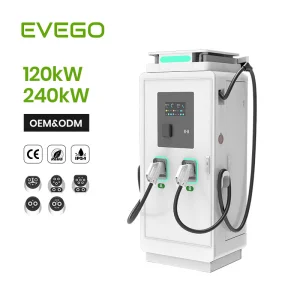
Urban delivery vans operate on tight routing schedules. Turnaround time between delivery routes is brief. By deploying 120kW to 180kW double-gun DC chargers, logistics providers can perform rapid top-up charging sessions during driver shifts or sorting periods. Intelligent scheduling software directs power priority to vehicles scheduled for immediate departure, stabilizing the depot's overall power demand.
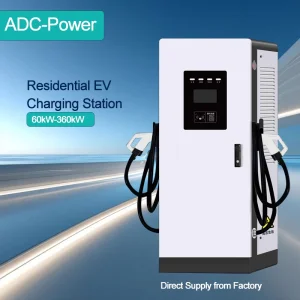
Transit bus operations involve high, predictable utilization with extended overnight layovers. Multi-terminal split-type charging systems (such as the 240kW/360kw configurations) are ideal here. A single central power cabinet supplies power to multiple low-profile overhead pantographs or ground-mounted dispensers. This setup provides overnight trickle-charging to all vehicles, plus high-power fast charging when needed during daytime operational gaps.
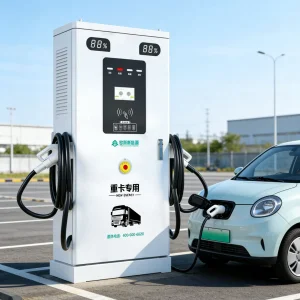
Industrial depots require heavy-duty equipment built to withstand extreme environmental challenges. Mining sites and sea terminals operate in highly corrosive, dusty, or humid conditions. Chargers deployed here must feature rugged IP54/IP55 or higher rated enclosures, along with active thermal management. Liquid-cooled charging cables are often necessary to sustain continuous, high-current output to heavy hauling trucks without overheating the connectors.
As the commercial EV market matures, fleet depot technology is evolving to handle larger power draws and more complex grid integrations:
Procuring commercial-grade DC charging equipment requires careful review of technical specifications, long-term support plans, and grid compatibility. Below is a strategic checklist for procurement officers:
| Key Factor | Technical Requirement | Operational Value |
|---|---|---|
| Power Dynamic Sharing | Matrix allocation, granular charging step adjustments (e.g., 50kW increments). | Allows multiple vehicles to share a single power source, avoiding local grid upgrades. |
| Software Interoperability | Full compliance with OCPP 1.6J / 2.0.1, supporting ISO 15118 (Plug & Charge). | Prevents vendor lock-in, enabling operators to choose any compatible fleet management system. |
| Thermal Protection | Liquid-cooled cables or high-performance forced air cooling with replaceable dust filters. | Protects hardware in high-temperature environments, preventing power derating. |
| Safety Certification | CE, TUV, UL, CB, IP54 minimum protection class. | Ensures regulatory compliance, reduces liability, and guarantees operator safety. |
Expert answers to common questions about commercial fleet DC charging installations, site planning, and maintenance.
Explore additional heavy-duty charging hardware, site support systems, and professional manufacturing services.


 LA Charger