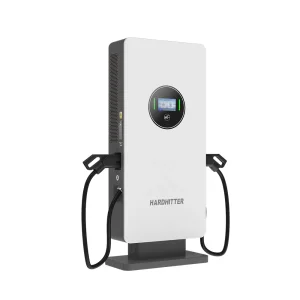
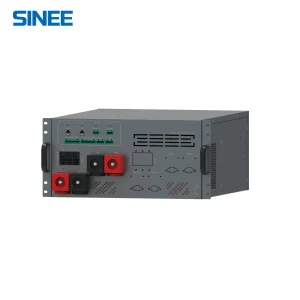
Engineered for high-performance urban and commercial charging networks.
In the transition toward a carbon-neutral global economy, the Park and Charge DC System has emerged as the cornerstone of urban mobility. Unlike traditional AC slow charging, DC (Direct Current) fast charging allows for a rapid "refill" of battery capacity during short parking intervals, typically ranging from 20 to 60 minutes. This technology is vital for the commercialization of EV infrastructure in high-traffic zones such as shopping malls, transit hubs, and corporate offices.
Globally, the demand for DC fast charging is projected to grow at a CAGR of 25% through 2030. Enterprises are no longer just looking for "plugs"; they are seeking integrated ecosystems that combine ultra-fast power delivery, dynamic load balancing, and cloud-based monetization tools.
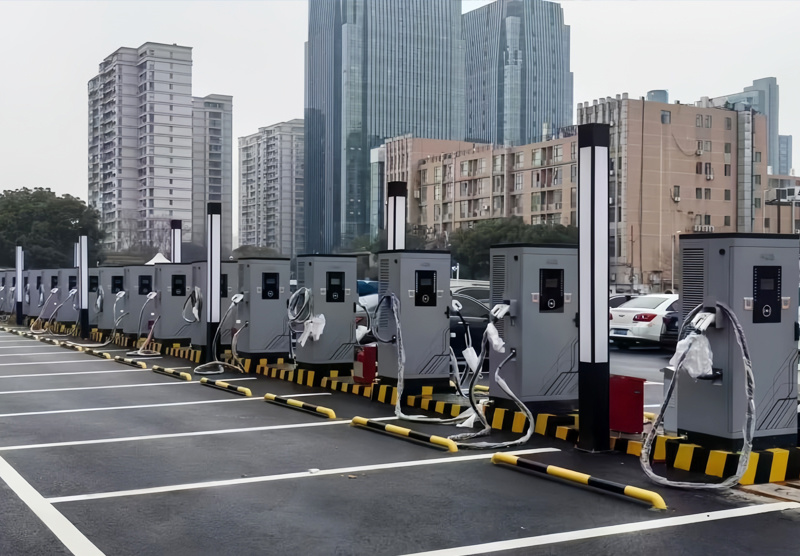
Driven by NEVI (National Electric Vehicle Infrastructure) funding, the US is focusing on high-power (150kW+) CCS1 and NACS integration to support long-distance travel and urban fleet electrification.
The EU's AFIR regulations mandate charging stations every 60km on TEN-T corridors. High reliability and interoperability via OCPP 2.0.1 are the current benchmarks for success.
Led by China, the region boasts the world's largest charging network. The focus is now shifting toward high-voltage architectures (800V+) and "Liquid Cooled" supercharging technologies.
China has established a comprehensive vertical supply chain for EV charging components, from power modules and semiconductors to sophisticated management software. This allows manufacturers like Guangzhou LA Charge Co., Ltd. to offer unmatched advantages:
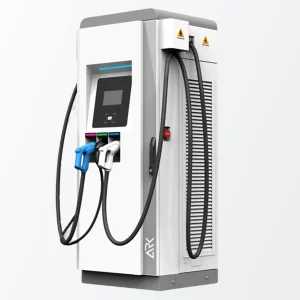
Malls and Retail Centers use 60kW-120kW units to attract high-net-worth EV drivers, increasing "dwell time" and secondary spend.
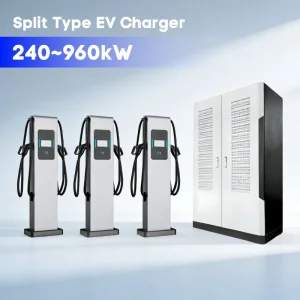
Depots utilize 360kW+ split-systems with smart load management to ensure delivery vans are charged overnight without overloading the grid.
Office buildings integrate DC stations with employee ID systems, providing "top-up" services that are a major employee benefit.
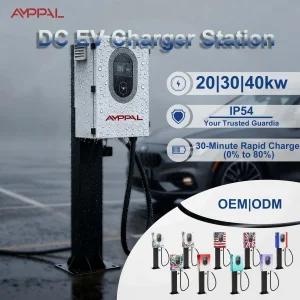
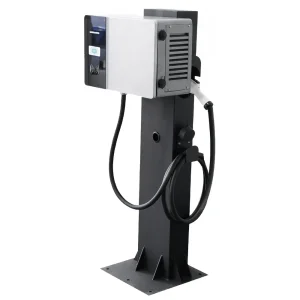
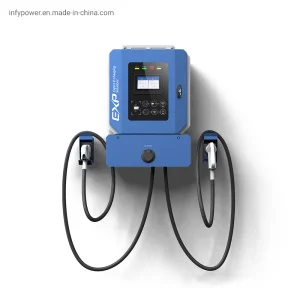
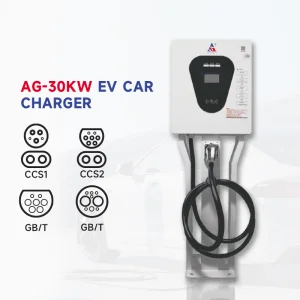
Hotels and public parking lots implement 30kW wall-mount DC units, offering faster-than-AC speeds without massive infrastructure upgrades.
The industry is moving beyond simple power delivery toward Energy Orchestration. Key trends include:
Future DC systems will not only charge cars but also allow EVs to discharge power back into the building or grid during peak hours, creating a decentralized battery network.
Instead of static power allocation, AI algorithms predict vehicle arrival patterns and battery states to distribute power dynamically, maximizing throughput without blowing local fuses.
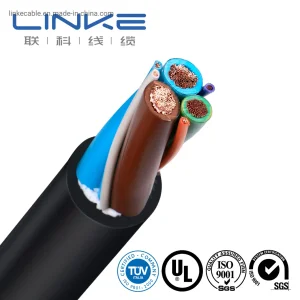
As charging speeds exceed 350kW, liquid-cooled cables and modules are becoming standard to maintain efficiency and safety while reducing the weight of the charging gun.
Guangzhou LA Charge Co., Ltd. is a leading provider of comprehensive electric vehicle (EV) DC charging solutions, headquartered in Guangzhou. Founded with a vision to accelerate the adoption of electric mobility, the company specializes in Indoor and Outdoor DC Charging Stations, Fast Charging Infrastructure, Smart DC Charging Management, and a wide range of residential, commercial, and fleet charging solutions.
The company operates a state-of-the-art 25,000-square-meter manufacturing facility in the Guangzhou Development Zone, equipped with advanced assembly lines, testing labs, and R&D centers. LA Charge employs over 300 skilled professionals, including engineers, software developers, and field technicians, dedicated to designing, manufacturing, and maintaining reliable charging systems.
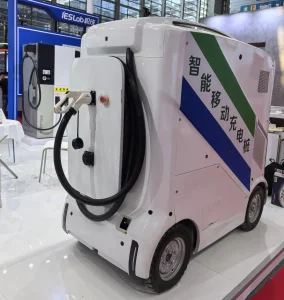
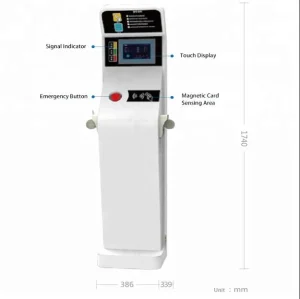
Its product portfolio also includes Highway DC Charging Hubs, Retail and Hotel Destination Chargers, Office Building and Multi-Unit Residential Charging systems, Networked DC Charging Platforms, Solar-Powered Chargers, Interactive Display Chargers, Digital Screen Stations, Mobile/Portable Charging Units, and Urban Public Charging Networks.
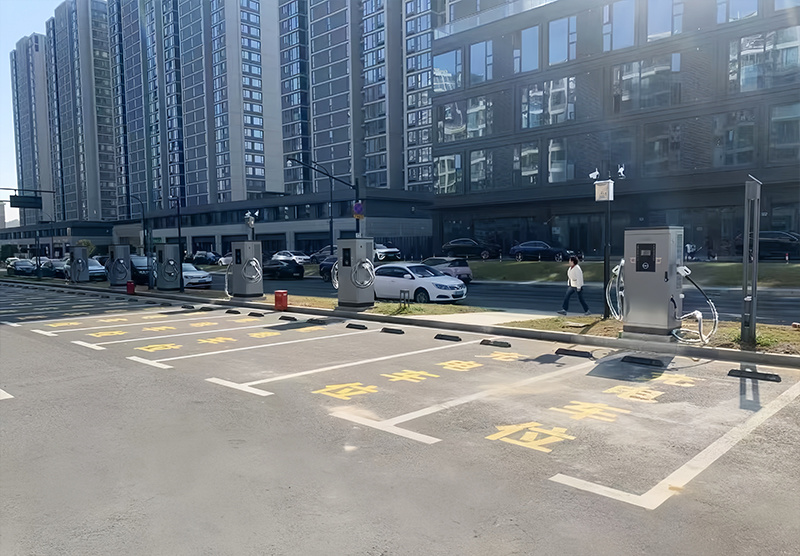
With a focus on innovation, quality, and customer service, Guangzhou LA Charge Co., Ltd. collaborates with property developers, fleet operators, and government agencies to deliver intelligent, sustainable, and efficient EV charging solutions across China and international markets.
Global procurement teams must evaluate several critical factors to ensure long-term ROI in charging infrastructure:
Ensure hardware meets CE, TUV, UL, and local grid requirements. Compliance with OCPP 1.6J/2.0.1 is mandatory for network integration.
Systems with modular power units allow for easy maintenance. If one module fails, the station remains operational at reduced power.
Advanced cooling systems (forced air or liquid) are essential for maintaining 100% duty cycles in high-temperature environments.
AC charging (Level 2) uses the vehicle's onboard converter, which is slow (typically 7kW-22kW). DC charging bypasses the onboard converter and feeds power directly to the battery, allowing for speeds from 30kW to 480kW+, making it ideal for commercial "park and charge" scenarios where time is limited.
Smart Load Management monitors the total power draw of the building. If the building's energy usage is high, the system automatically scales down the charging speed to prevent a blackout, and scales it back up when building demand drops, avoiding expensive grid upgrades.
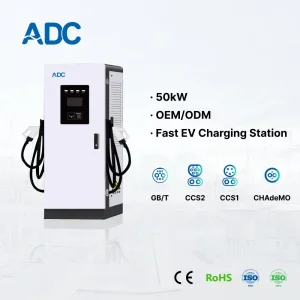
Yes. Our systems support multiple connector standards including CCS1, CCS2, CHAdeMO, GBT, and NACS (Tesla standard), ensuring compatibility with 99% of EVs globally.
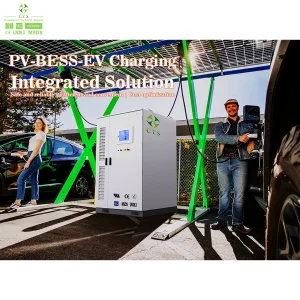
Absolutely. Our high-power DC systems can be integrated with PV (Photovoltaic) solar arrays and Battery Energy Storage Systems (BESS) to create a "Microgrid," reducing operational costs and carbon footprint.
 LA Charger