Featured high-efficiency DC fast charging systems customized for heavy-duty EV truck fleets, campus transit, and public logistics hubs across Surabaya.
Surabaya, as the capital of East Java and Indonesia's second-largest metropolitan area, serves as the primary maritime, commercial, and industrial engine for Eastern Indonesia. Home to the bustling Port of Tanjung Perak, extensive industrial parks such as the Rungkut Industrial Estate (SIER), and major logistics arteries connecting Trans-Java toll roads, Surabaya processes thousands of commercial vehicles daily. From heavy-duty container haulers and distribution vans to urban transit buses, the regional transportation ecosystem is currently undergoing a massive structural shift toward electrification.
Under the Indonesian government's Presidential Regulation No. 55/2019 concerning the Acceleration of Battery Electric Vehicle Programs, fleet operators in Surabaya face stringent decarbonization mandates alongside compelling financial incentives. However, transitioning heavy-duty commercial fleets from diesel to electricity introduces complex engineering challenges. Operating commercial electric vehicles (e-EVs) in Surabaya requires overcoming severe environmental and operational hurdles:
Information Gain Insight: Deploying fleet charging infrastructure in Surabaya requires moving away from generic commercial chargers toward industrial-grade DC split systems featuring dynamic load allocation, active liquid cooling, and integrated battery energy storage systems (BESS) to shield the local power grid.
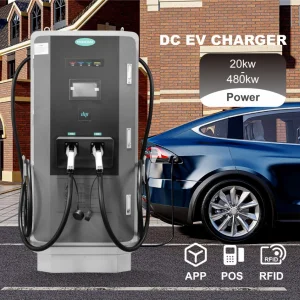
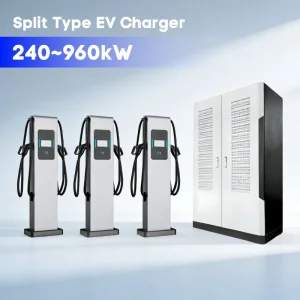
Guangzhou LA Charge Co., Ltd. designs and exports high-performance Fleet DC Charging Systems engineered specifically to satisfy the operational demands of Surabaya's heavy transport sector. Our systems utilize scalable power matrix topologies ranging from 60kW standalone chargers up to 720kW split-type megawatt charging terminals.
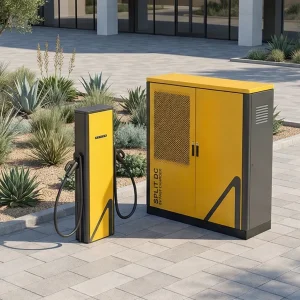
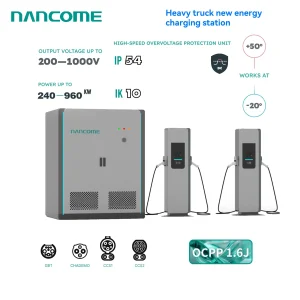
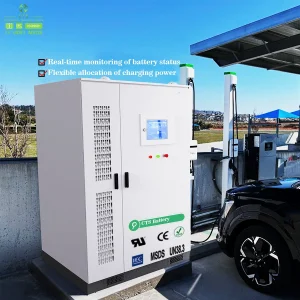
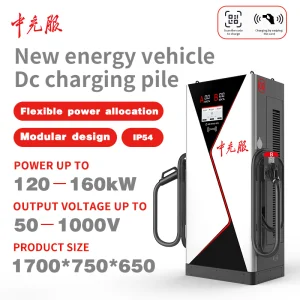
Traditional monolithic chargers dedicate fixed power output to individual connectors, leading to massive energy waste when vehicles are partially charged. Our dynamic split-type DC charging architecture decouples the central power stack (rectifier cabinet) from the user-facing charging terminals. Internal power routing units dynamically allocate 20kW or 30kW power modules in real time based on each vehicle's State of Charge (SoC) and Battery Management System (BMS) requests.
Seamlessly powers international fleet mixes with automated voltage sensing from 200V to 1000V DC.
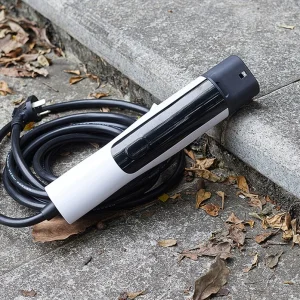
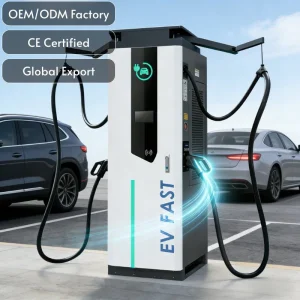
Enables ultra-fast 500A+ continuous charging currents without heavy, unmanageable cable bulk for operators.
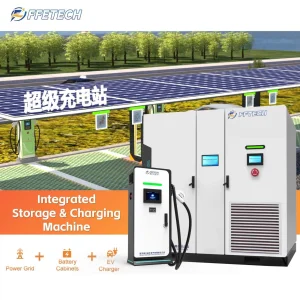
Integrates 215kWh-362kWh solar storage to mitigate PLN peak demand spikes and ensure 24/7 fleet readiness.
To reduce dependency on Surabaya’s municipal grid during peak industrial hours, our AC/DC hybrid solar-storage charging systems pair solar photovoltaic arrays with high-density Lithium Iron Phosphate (LiFePO4) battery racks (768V 280Ah configurations). During off-peak hours or daytime solar peaks, the storage system charges automatically. When heavy electric trucks return to the depot for rapid turnaround, the BESS discharges alongside grid power, delivering up to 720kW output without exceeding grid connection caps.
Guangzhou LA Charge Co., Ltd. is a leading provider of comprehensive electric vehicle (EV) DC charging solutions, headquartered in Guangzhou. Founded with a vision to accelerate the adoption of electric mobility, the company specializes in Indoor and Outdoor DC Charging Stations, Fast Charging Infrastructure, Smart DC Charging Management, and a wide range of residential, commercial, and fleet charging solutions.
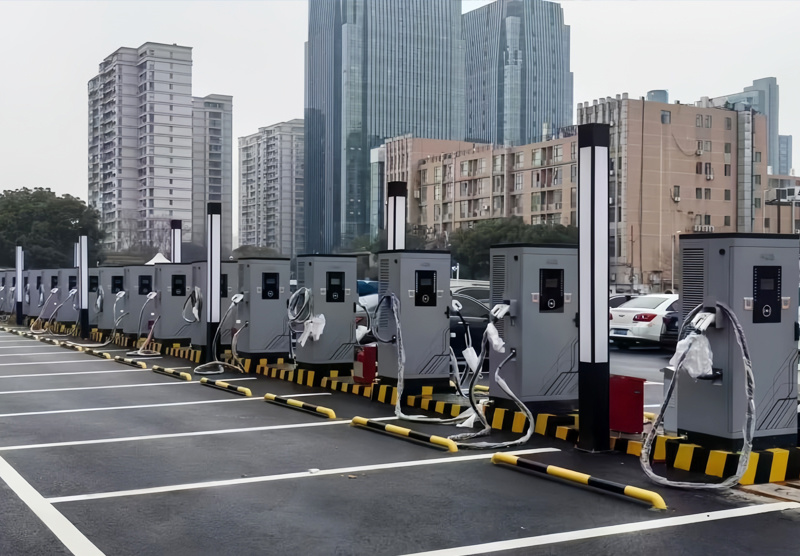
The company operates a state-of-the-art 25,000-square-meter manufacturing facility in the Guangzhou Development Zone, equipped with advanced assembly lines, testing labs, and R&D centers. LA Charge employs over 300 skilled professionals, including engineers, software developers, and field technicians, dedicated to designing, manufacturing, and maintaining reliable charging systems.
Its product portfolio also includes Highway DC Charging Hubs, Retail and Hotel Destination Chargers, Office Building and Multi-Unit Residential Charging systems, Networked DC Charging Platforms, Solar-Powered Chargers, Interactive Display Chargers, Digital Screen Stations, Mobile/Portable Charging Units, and Urban Public Charging Networks.
With a focus on innovation, quality, and customer service, Guangzhou LA Charge Co., Ltd. collaborates with property developers, fleet operators, and government agencies to deliver intelligent, sustainable, and efficient EV charging solutions across China and international markets.
Our direct export pipeline to East Java ensures complete OEM/ODM customization, localized firmware integration (supporting Indonesian CSMS platforms via OCPP 1.6J / 2.0.1 protocols), and rapid delivery of spare modules to minimize fleet downtime in Surabaya.
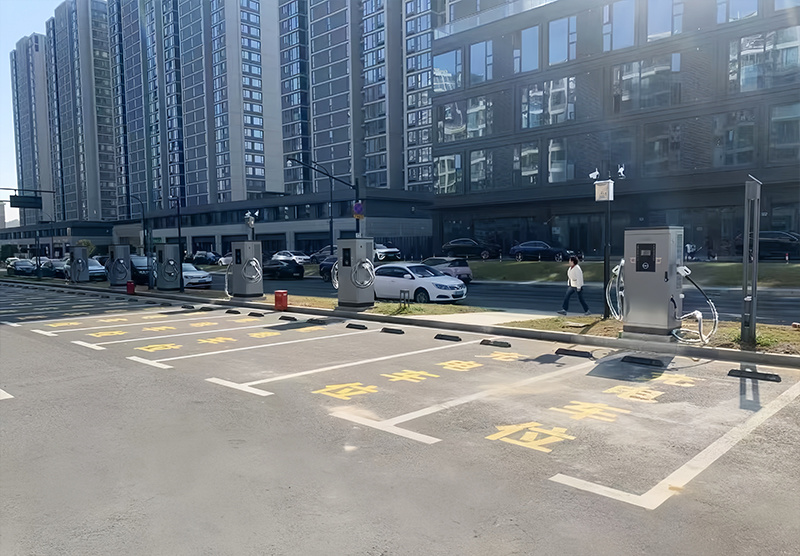
Our DC fleet charging hardware and cloud software ecosystem cater to diverse commercial business models across the Surabaya metropolitan zone:
When procuring high-power DC fast charging systems for installation in Indonesia, foreign B2B buyers and local Surabaya contractors must evaluate crucial engineering specifications:
Contact our engineering specialists today for custom technical proposals, single-line diagrams, factory-direct wholesale pricing, and local project execution support.
Send Inquiry NowExplore our full range of certified industrial charging hardware, dynamic power split systems, and battery storage solutions ready for direct export to Surabaya.
Our technical engineering team provides full hardware customization, OEM/ODM production, and direct export services.
Send Inquiry Now LA Charger